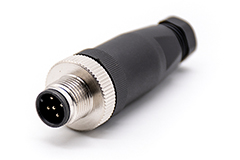
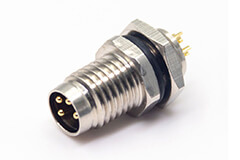
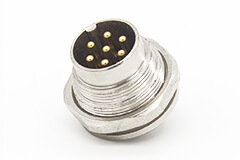
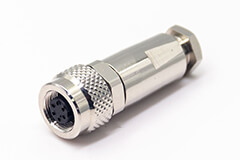
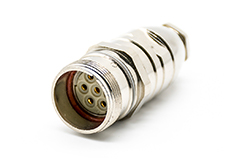
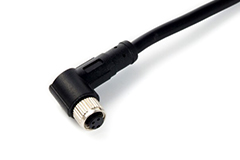
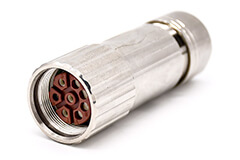
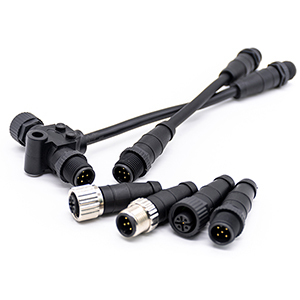
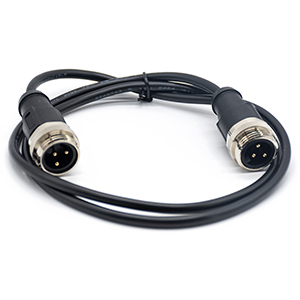
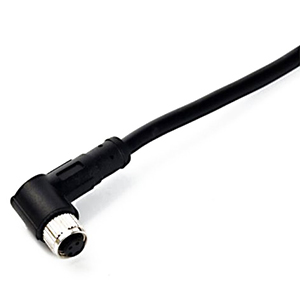
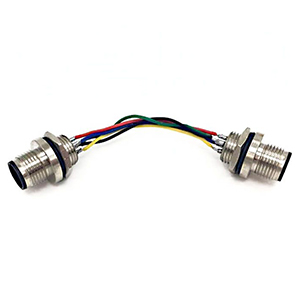
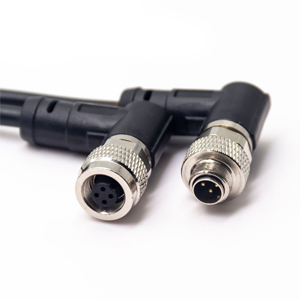
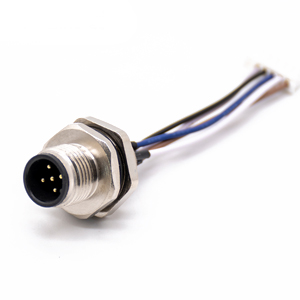
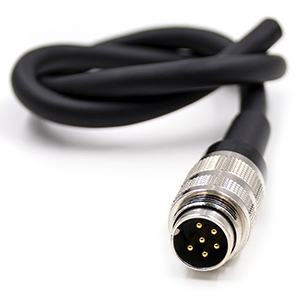
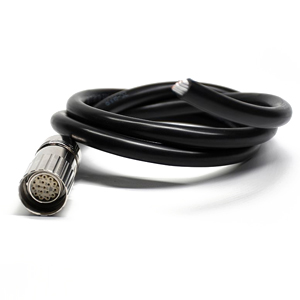
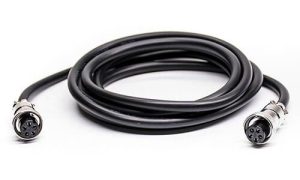
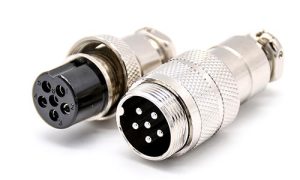
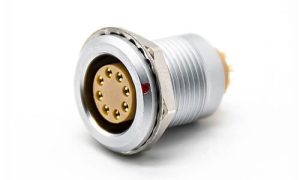
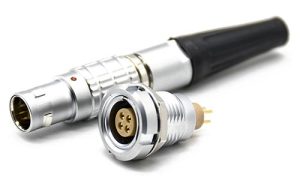
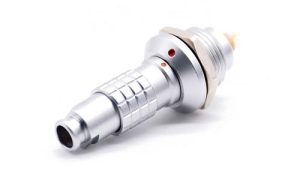
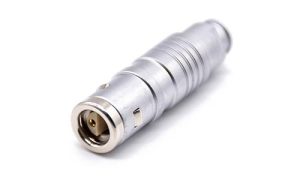
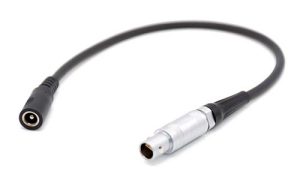
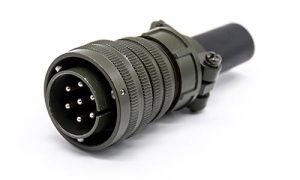
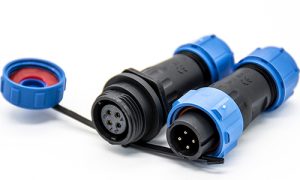
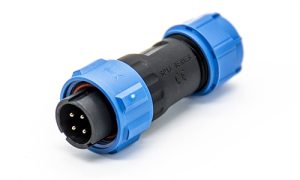
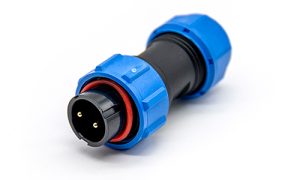
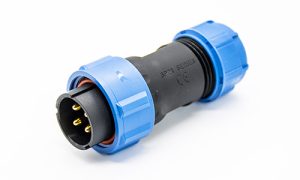
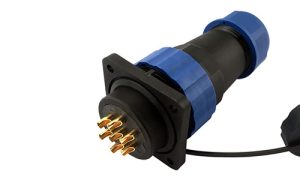
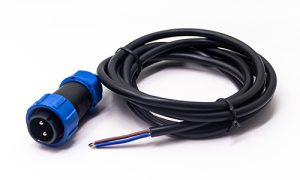
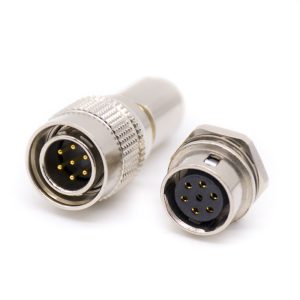
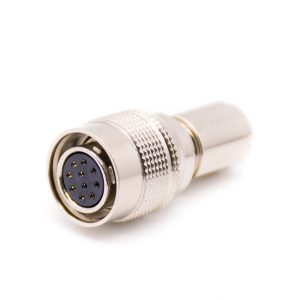
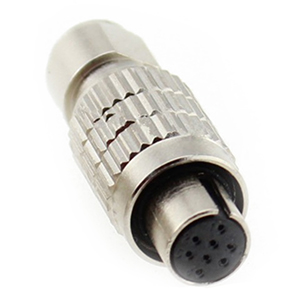
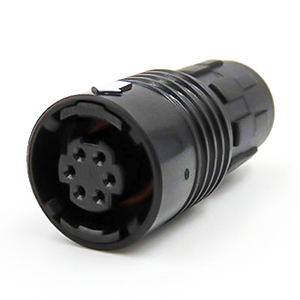
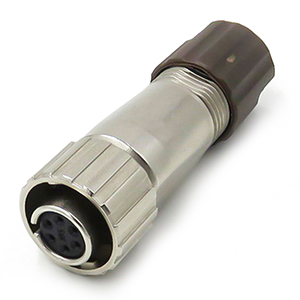
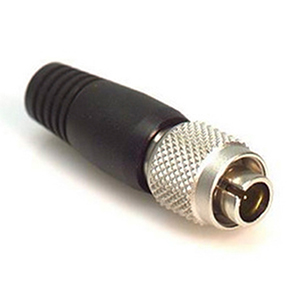
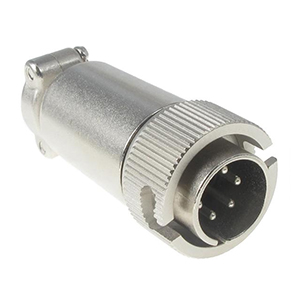
M Series Connectors
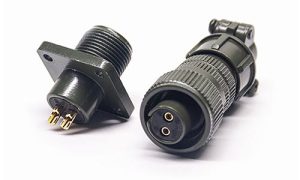
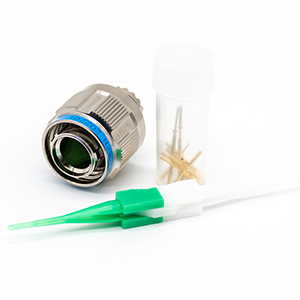
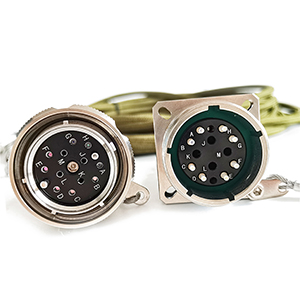
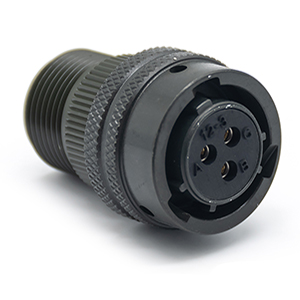
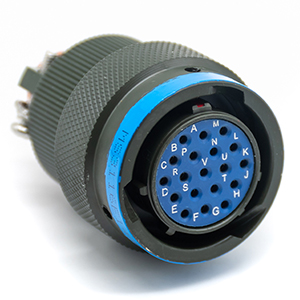
Are lightweight triplestart ratchet coupling type connectors designed for avionics, aerospace, Harsh Environment Connectors, security, motorsport and heavy duty applications.

In the landscape of high-reliability interconnects, the MIL-DTL-26482 standard remains a cornerstone for miniature circular connectors. Originally designed for military applications, these connectors have permeated industrial automation, aerospace, and telecommunications due to their ruggedized construction and rapid-coupling capabilities. However, when specifying these components, engineers and procurement managers often face a critical choice: Series 1 vs. Series 2.
While both series share the same basic interface and a high-speed bayonet coupling mechanism, they differ significantly in contact termination, maintenance philosophy, and environmental sealing performance. Understanding these nuances is essential for ensuring long-term system integrity and optimizing BOM costs.
The MIL-DTL-26482 specification (formerly MIL-C-26482) defines a family of environment-resistant, quick-disconnect, miniature circular connectors. Their primary appeal lies in the 3-point bayonet coupling mechanism, which provides visual, audible, and tactile confirmation of a secure lock—a vital feature in high-vibration environments like engine compartments or tactical communication gear.
Series 1 (MS311x / MS312x) is the legacy standard, widely recognized for its versatility and the availability of solder contacts.
Series 2 (MS347x) is the evolved version, optimized for modern assembly lines and field serviceability through rear-release crimp technology.


The most significant distinction between Series 1 and Series 2 lies in the contact termination method. This choice dictates not only the assembly speed but also the reparability and electrical performance of the interconnect system.
Series 1 is most famous for its solder contact versions (e.g., MS3112, MS3116). For many engineers, solder remains the “gold standard” for permanent, low-resistance connections in fixed installations.

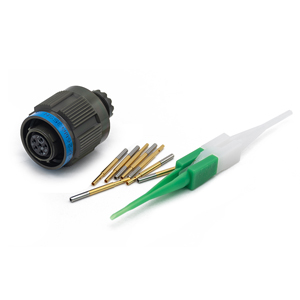
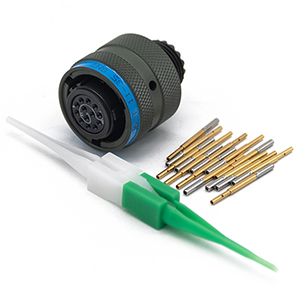
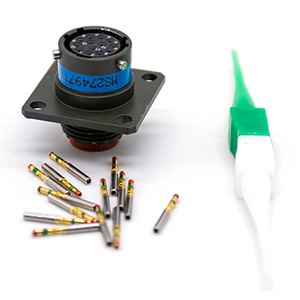
Series 2 connectors exclusively utilize crimp, rear-release contacts. This design is engineered for high-volume production and tactical environments where “down-time” is not an option.

| Feature / Specification | Series 1 (Solder/Crimp) | Series 2 (Crimp Rear-Release) |
|---|---|---|
| Termination Method | Solder Cup or Front-Release Crimp | Rear-Release Crimp |
| Standard MS Prefix | MS311x / MS312x | MS347x |
| Vibration Resistance | 10G (Standard) | 20G+ (High Performance) |
| Hermetic Options | Available (MS3113) | Limited / Custom |
| Accessory Thread | Proprietary (PT Style) | UNEF (AS85049 Compatible) |
| Weight Factor | Standard | Lighter (~11-13% reduction) |
One of the most frequent questions from procurement teams is whether Series 1 and Series 2 components can be used together. The answer is: Yes, but with significant caveats regarding accessories.
The mating interface for both Series 1 and Series 2 is identical. This means a Series 1 plug (MS3116) will physically mate with a Series 2 receptacle (MS3470), and vice-versa, provided they share the same shell size and insert arrangement. The 3-point bayonet pins and ramps are engineered to the same dimensional standards to ensure a secure mechanical lock.
While the “front end” mates perfectly, the “back end” of the connectors differs:
If you attempt to swap a Series 1 connector into a system designed for Series 2, your existing backshells, cable clamps, or heat-shrink boots may not fit. Always verify the accessory interface before finalizing a BOM change.
Both series are built for rugged use, but their performance envelopes vary slightly based on the materials and seal designs used in their respective MS standards.
The hallmark of the 26482 family is the bayonet coupling mechanism. Unlike threaded connectors which can vibrate loose over time, the bayonet system utilizes three stainless steel pins on the receptacle that ride along ramps on the plug.
Most MIL-DTL-26482 connectors provided by Renhotec meet or exceed IP67 requirements when mated, with certain configurations reaching IP68.
The standard operating temperature for these connectors is generally -65°C to +175°C. However, certain finishes and materials (like Electroless Nickel or Black Anodized) can extend the upper limit to +200°C for Series 2 (Class L or A).
| Parameter | MIL-DTL-26482 Series 1 | MIL-DTL-26482 Series 2 |
|---|---|---|
| Operating Temperature | -65°C to +175°C | -65°C to +200°C (Class L/A) |
| Vibration Resistance | 10G (Standard) | 20G+ (High Performance) |
| Durability | 500 Mating Cycles | 500 Mating Cycles |
| Salt Spray (Corrosion) | 48 – 500 Hours (Based on Finish) | 48 – 500 Hours (Based on Finish) |
| IP Rating (Mated) | IP67 Standard | IP67 / IP68 Available |
Selecting the right contact layout is not just about the number of pins; it involves calculating current derating and voltage requirements based on the Service Rating. Both MIL-DTL-26482 Series 1 and Series 2 offer a wide variety of high-density inserts.
The contact arrangements are standardized across both series, ranging from 2 contacts in a size 8 shell to 61 contacts in a size 24 shell.
In aerospace and man-portable defense systems, every gram counts. Series 2 (MS347x) connectors are generally lighter than Series 1 (MS311x) equivalents due to their optimized rear-release internal architecture and material efficiency.
| Shell Size | MS3116 (g) | MS3476 (g) | Saving |
| 08 | 12.5 | 10.8 | -13% |
| 16 | 36.8 | 32.5 | -12% |
| 24 | 78.4 | 69.2 | -11% |
Note: Weights are estimates for aluminum shells with cadmium plating. Actual weight varies by insert and backshell.
Deciding between Series 1 and Series 2 is a strategic choice that affects the long-term lifecycle of your product. Here is how Renhotec advises engineering teams to evaluate their options:
For any “Clean Sheet” design in 2026 and beyond, MIL-DTL-26482 Series 2 is the industry-recommended standard.
Despite the advantages of Series 2, Series 1 remains indispensable in specific scenarios:
Yes, they are intermateable at the interface level. A Series 1 plug will physically connect to a Series 2 receptacle of the same shell size and arrangement. However, they are not interchangeable regarding rear accessories (backshells) because the rear threads differ (Proprietary vs. UNEF).
The primary difference is the release mechanism. Series 1 Crimp (MS312x) uses a front-release system (tool inserted from the mating face). Series 2 Crimp (MS347x) uses a rear-release system, allowing contact removal from the back without unmating, which is preferred for modern aerospace maintenance.
Series 1 is the industry standard for hermetic requirements. Solder contacts (e.g., MS3113H) can be permanently fused into glass-to-metal seals, providing superior air-tight integrity compared to the crimp-style Series 2.
Absolutely. Since interface dimensions are identical per MIL-DTL-26482 standards, the method of wire termination (solder vs. crimp) does not affect mating. This allows for hybrid systems combining permanent internal solder joints with field-repairable crimp cables.
Choosing the right circular connector is critical to the mission-success of your hardware. Whether you are maintaining a legacy military platform or developing the next generation of industrial robotics, Renhotec provides the engineering depth and manufacturing agility you need.
Need technical datasheets? Browse our Datasheet Library

As a Product Manager at Renhotec Group (est. 2008), I specialize in providing deep technical insights into connectors, cables, and custom electronic components. Renhotec is a global leader in interconnect solutions, dedicated to manufacturing high-standard products for diverse industries as your trusted technical partner.