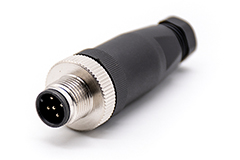
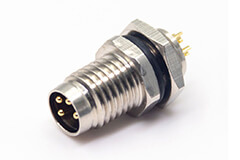
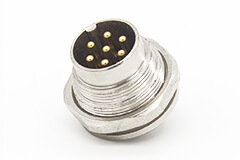
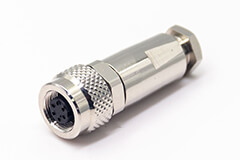
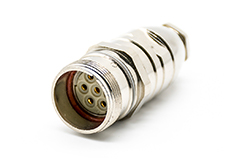
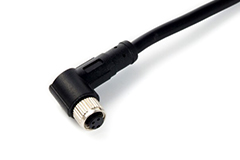
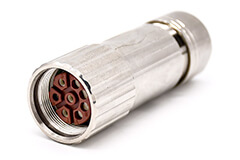
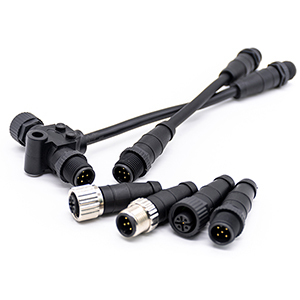
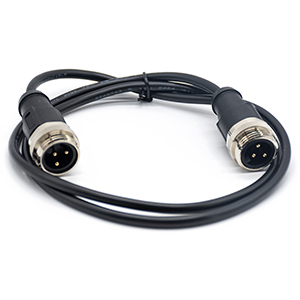
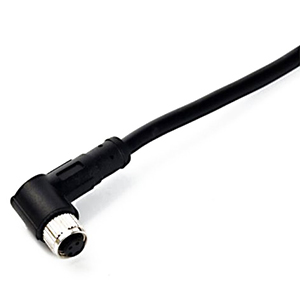
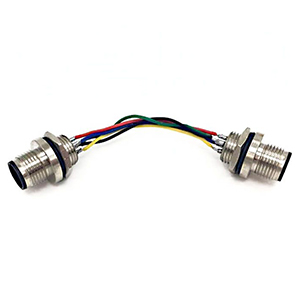
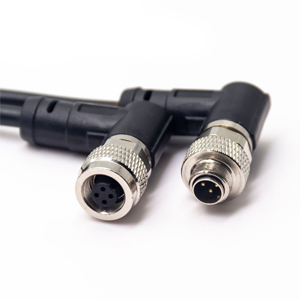
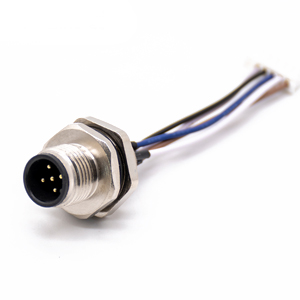
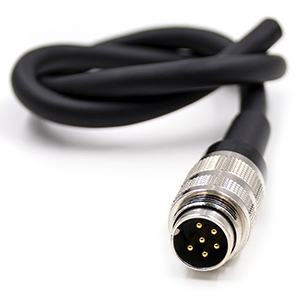
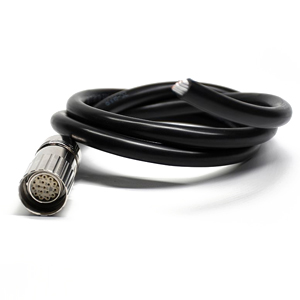
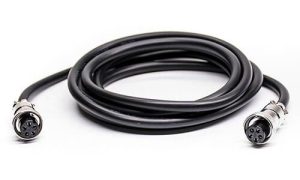
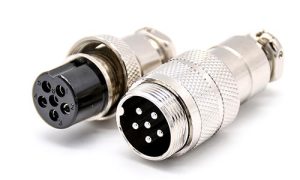
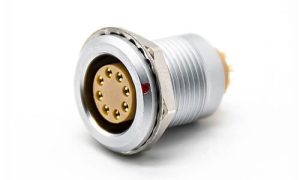
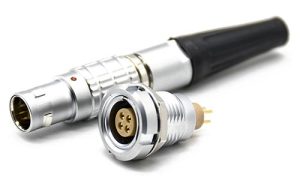
M Series Connectors
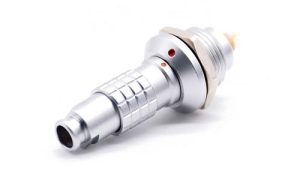
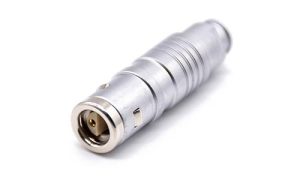
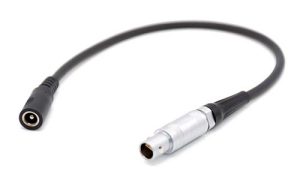
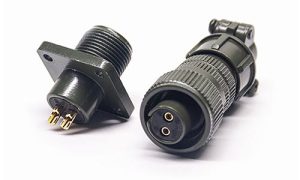
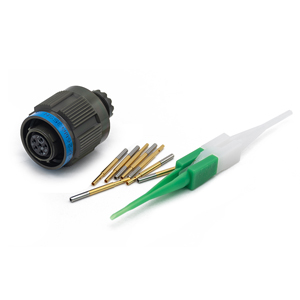
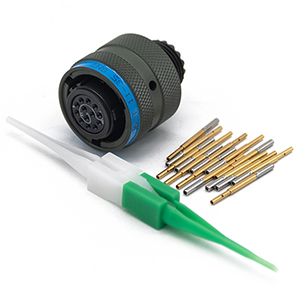
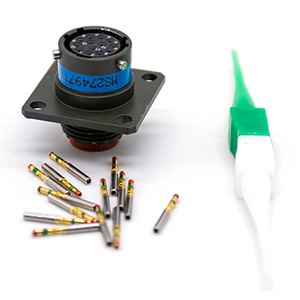
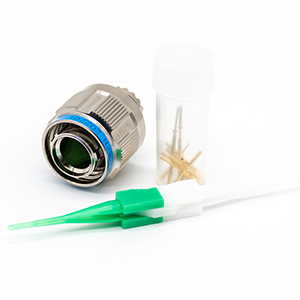
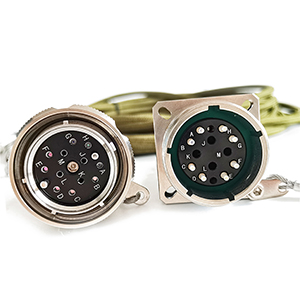
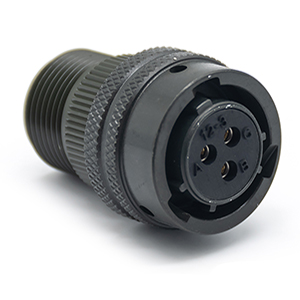
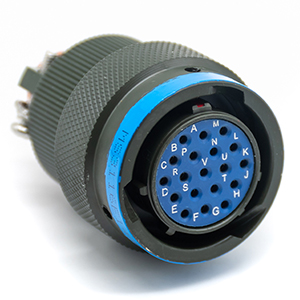
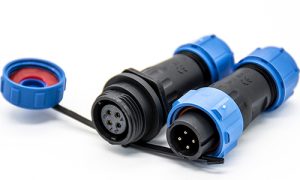
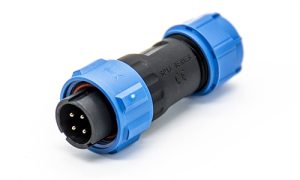
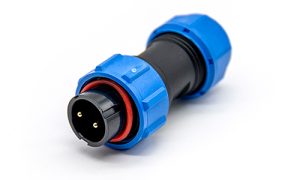
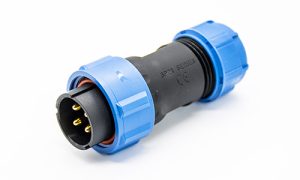
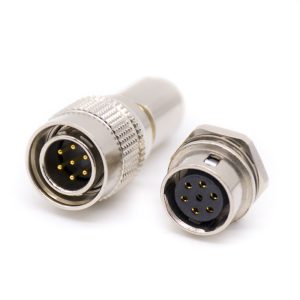
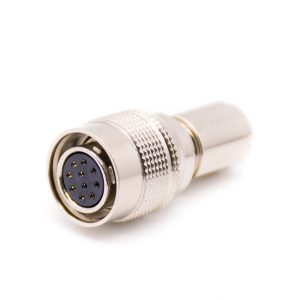
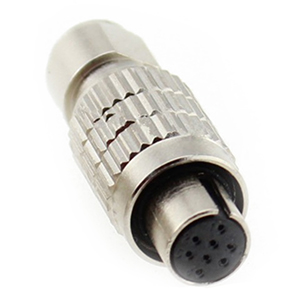
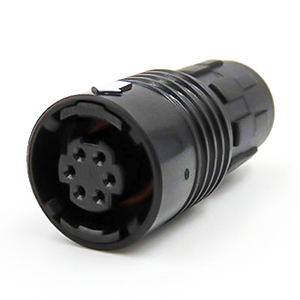
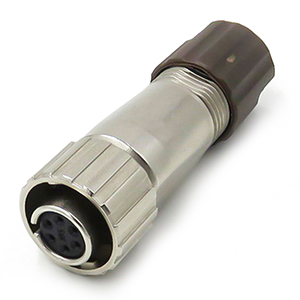
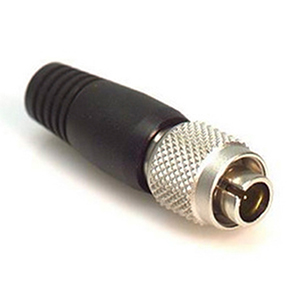
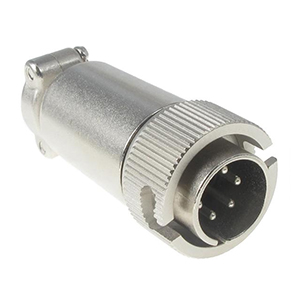
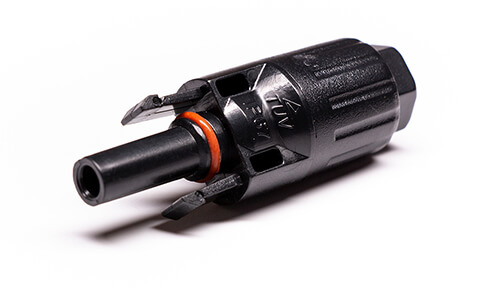
Are lightweight triplestart ratchet coupling type connectors designed for avionics, aerospace, Harsh Environment Connectors, security, motorsport and heavy duty applications.

The MIL-DTL-83723 specification defines the performance and design requirements for environmentally resistant, circular electrical connectors used primarily by the Department of Defense and aerospace industries. Originally designated as MIL-C-83723, this standard was developed to unify several disparate connector specifications into a high-performance framework capable of withstanding extreme vibration, temperature fluctuations, and fluid exposure.
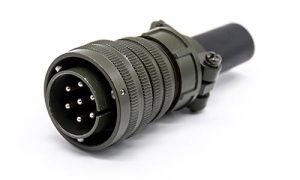
Modern m83723 connectors are engineered for versatility. They combine the best features of earlier military standards, such as the ruggedness of MIL-DTL-26482 and the high-temperature capabilities of MIL-DTL-5015. Whether used in commercial aviation or tactical ground systems, these components ensure signal integrity under mechanical stress and environmental contamination.
Understanding the distinctions between the three series within the MIL-DTL-83723 specification is critical for ensuring hardware compatibility and long-term field reliability. While they share a common overarching standard, their internal architectures and mating interfaces differ significantly.
Series I connectors are based on the MIL-DTL-26482 Series II design. They utilize a three-point bayonet coupling mechanism, which allows for rapid mating and unmating. This series is often selected for applications where space is at a premium and quick maintenance is required.
Series II was originally designed around the MIL-DTL-5015 threaded connector framework. It features a standard threaded coupling but utilizes the environmental sealing and contact retention systems of the 83723 standard. Today, Series II is less common in new aerospace designs, often replaced by the more robust Series III.
MIL-DTL-83723 Series III is the most widely utilized version in modern avionics and engine systems. It offers the greatest variety of coupling styles, including threaded, bayonet, and push-pull quick-disconnect. This series is specifically engineered to be intermateable with MIL-DTL-26500 connectors, providing engineers with significant design flexibility when sourcing m83723 series connectors.
Technical Comparison Table: Series I vs. II vs. III
| Comparison Feature | Series I | Series II | Series III (Modern Standard) |
|---|---|---|---|
| Basic Specification | MIL-C-26482 II | MIL-C-5015 | Modern Unified Specification |
| Coupling Mechanism | Bayonet (3-Point) | Threaded | Threaded, Bayonet, Push-Pull |
| Contact Release | Rear Release | Front Release | Rear Release |
| Intermateability | MIL-DTL-26482 | MIL-DTL-5015 | MIL-DTL-26500 |
| Environmental Seal | Standard Grommet | Standard Grommet | Advanced Triple-web Grommet |
| Primary Use Case | General Purpose | Legacy Systems | High-vibration / Firewall |


For engineers developing avionics or defense systems, the selection of an m83723 connector often comes down to specific environmental thresholds. These connectors are designed to maintain electrical continuity even when subjected to 100g of physical shock and extreme thermal cycling.
| Parameter | Specification Requirement | Engineering Significance |
|---|---|---|
| Operating Voltage | 600 VAC (RMS) at sea level | Ensures safe power delivery in standard avionics. |
| Insulation Resistance | 5,000 MΩ (min) at 25°C | Prevents signal leakage between adjacent circuits. |
| Shock Resistance | 100g for 6ms (Half-sine) | Critical for carrier-based aircraft landings. |
| Salt Spray (Corrosion) | 48 to 500 hours (Finish dependent) | Determines suitability for naval deployments. |
The choice of finish directly impacts the EMI/RFI shielding effectiveness and corrosion resistance of the m83723 amphenol style or equivalent connectors:
The mil dtl 83723 series iii is unique because it offers three distinct mating interfaces within a single specification. This allows engineers to standardize on a contact system while varying the mechanical interface based on the application.
One of the most frequent technical inquiries regarding m83723 series connectors is their compatibility with the MIL-DTL-26500 standard. For engineers managing legacy system upgrades or seeking alternative sourcing, understanding these mating rules is essential to prevent mechanical interference or electrical failure.
MIL-DTL-83723 Series III was specifically engineered to be intermateable and intermountable with MIL-DTL-26500 connectors. This means a plug from one standard can typically mate with a receptacle from the other, provided the shell size, coupling style, and insert arrangement are identical.
It is important to note that intermateability is strictly limited to corresponding series:
| M83723 Series | Mating Standard | Coupling Method | Contact Release |
|---|---|---|---|
| Series I | MIL-DTL-26482 II | Bayonet (3-Point) | Rear Release |
| Series II | MIL-DTL-5015 | Threaded | Front Release |
| Series III | MIL-DTL-26500 | Threaded / Bayonet | Rear Release |
*Note: Verification of insert arrangement and keying is mandatory before mating cross-standard connectors.
Procuring m83723 connectors in the current aerospace market often involves navigating long lead times from traditional QPL (Qualified Products List) manufacturers. While brands like Amphenol, TE Connectivity, and Conesys are industry benchmarks, their lead times in 2026 often stretch to 18–26 weeks for specific configurations.
For engineers and procurement managers, finding high-quality, equivalent alternatives is essential for maintaining project timelines. Renhotecpro offers mil dtl 83723 series iii equivalents that meet or exceed the performance requirements of the original military specification, providing a robust supply chain solution without compromising on environmental or mechanical integrity.
| Brand / Manufacturer | Series III (Threaded) | Series III (Bayonet) | Series III (Push-Pull) |
|---|---|---|---|
| Military P/N | M83723/82, /83, /84, /85 | M83723/71, /72, /73, /74 | M83723/66, /67, /68, /69 |
| Amphenol (Matrix) | MT30, MT34 | MB30, MB34 | MQ36, MQ38 |
| TE (Deutsch) | DBA30, DBA33 | DL60, DL64 | DBA36 |
| Conesys | AE83382, AE83384 | AE83371, AE83372 | AE83366, AE83368 |
| Renhotecpro | View M83723 Product Catalog → | ||
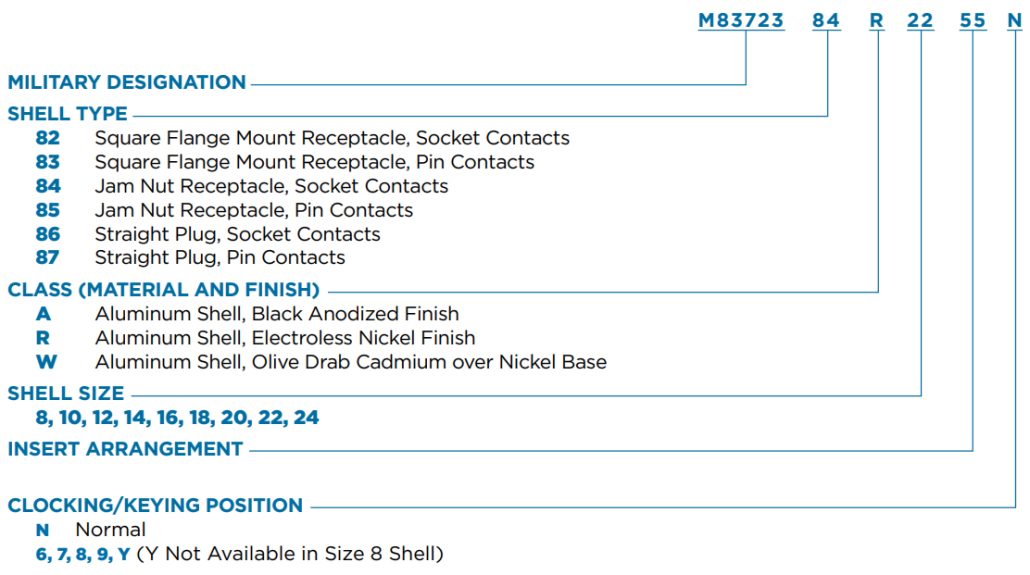
MIL-DTL-83723 Connector Part Number Breakdown:
While the mil c 83723 specification was born in the hangar, its rugged characteristics have made it a staple in various high-reliability industrial sectors.
The primary application for m83723 series connectors remains in aircraft systems. Their ability to handle high-density pin arrangements (up to 61 contacts) in a compact circular footprint makes them ideal for flight control computers and cockpit displays.
Under the cowlings of jet engines, temperatures can spike rapidly. The MIL-DTL-83723 Series III stainless steel “Firewall” connectors are engineered to maintain circuit integrity for up to 20 minutes even when exposed to a 1093℃ (2000℉) direct flame.
Modern military vehicles require interconnects that can survive mud, fuel spills, and heavy vibration. The threaded coupling version of the M83723 provides the secure, non-decoupling interface necessary for ruggedized communication suites.
When specified with the appropriate corrosion-resistant finish (such as Olive Drab Cadmium or Stainless Steel), these connectors are perfectly suited for shipboard radar systems and deck-mounted communications equipment exposed to salt spray.
In the demanding world of avionics and defense, reliability is non-negotiable. Don’t let long lead times from traditional manufacturers stall your production schedule. Renhotecpro provides high-performance MIL-DTL-83723 Series III equivalents that deliver the mechanical integrity and environmental resistance your mission-critical systems demand.

As a Product Manager at Renhotec Group (est. 2008), I specialize in providing deep technical insights into connectors, cables, and custom electronic components. Renhotec is a global leader in interconnect solutions, dedicated to manufacturing high-standard products for diverse industries as your trusted technical partner.