M Series Connectors
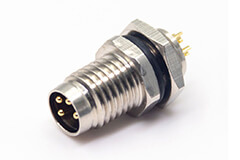
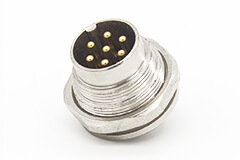
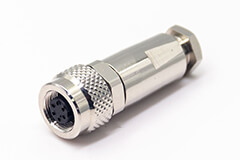
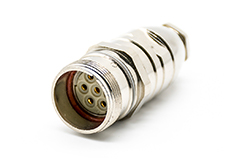
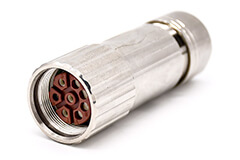
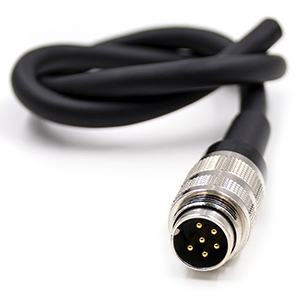
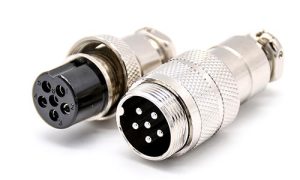
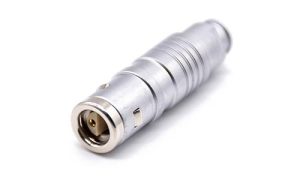
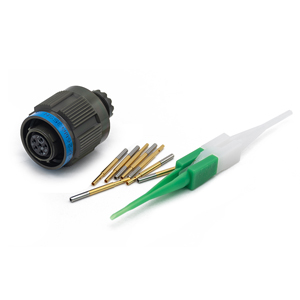
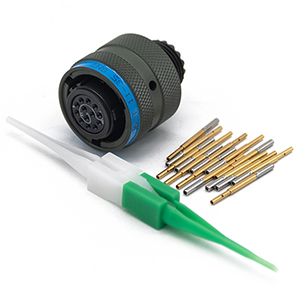
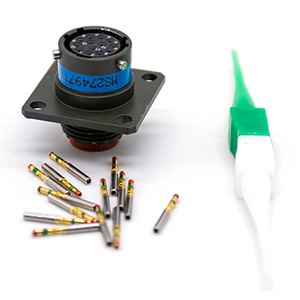
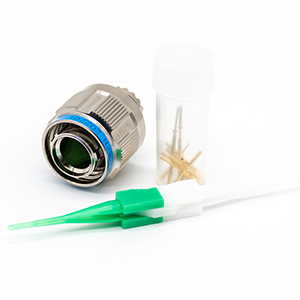
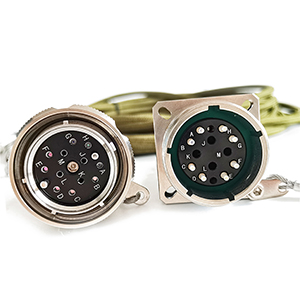
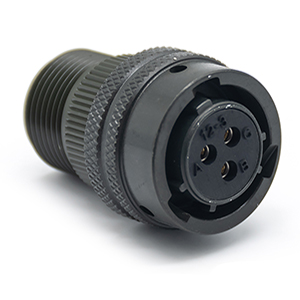
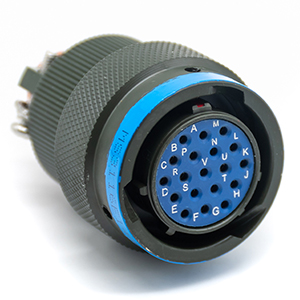
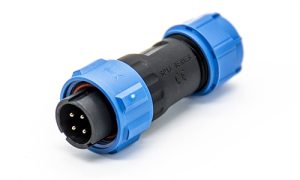
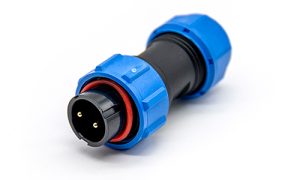
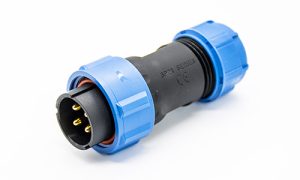
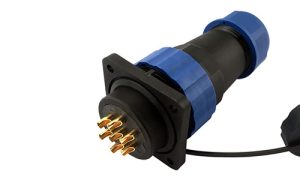
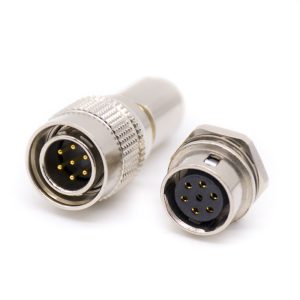
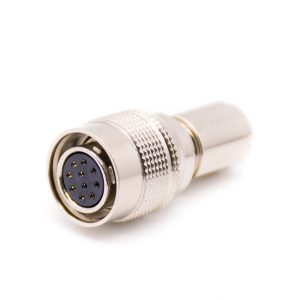
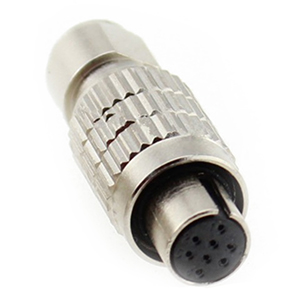
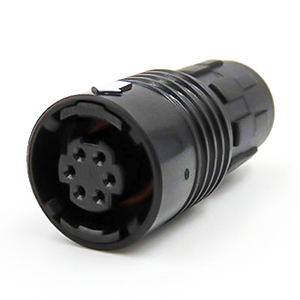
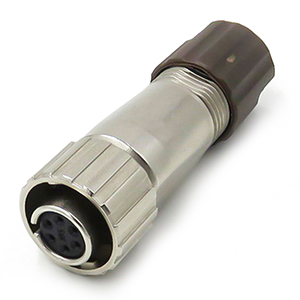
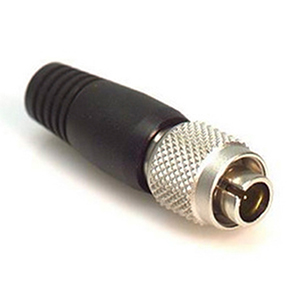
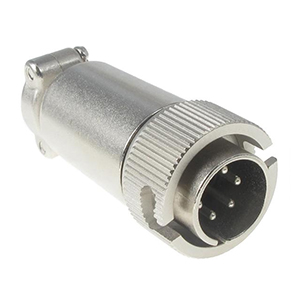
Are lightweight triplestart ratchet coupling type connectors designed for avionics, aerospace, Harsh Environment Connectors, security, motorsport and heavy duty applications.

In high-reliability aerospace and defense sectors, the choice between MIL-DTL-38999 and MIL-DTL-83723 is rarely about which connector is “better” in a vacuum. Instead, it is a strategic decision based on balancing vibration resistance, contact density, and weight constraints. Both specifications are governed by the U.S. Department of Defense (DoD) to ensure interchangeability and performance under extreme mechanical stress, thermal cycling, and moisture exposure. However, their design philosophies cater to different operational environments.
Understanding the fundamental architecture of these two standards is the first step in optimizing your Bill of Materials (BOM).
The MIL-DTL-38999 series, particularly Series III, is widely regarded as the industry standard for the most demanding aerospace environments. It was engineered specifically to address the needs of high-density electronic packaging and superior EMI/RFI shielding. The hallmark of Series III is its triple-start threaded coupling mechanism, which provides a self-locking feature that is virtually immune to decoupling under high-frequency vibration.
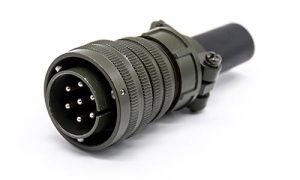
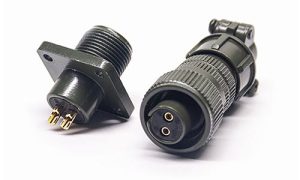
MIL-DTL-83723 (often associated with the Amphenol Matrix series) serves as a medium-sized, environmentally resistant solution. While it may not offer the extreme contact density of the 38999, it provides significantly more flexibility in installation. It features three distinct coupling styles: bayonet, threaded, and quick-disconnect. This versatility makes it a preferred choice for panel mounts and box-mount applications where ease of maintenance and weight reduction are prioritized over maximum pin count.
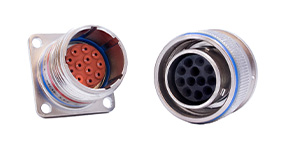
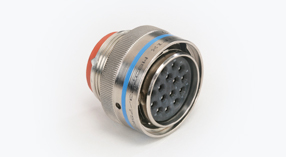
When evaluating connectors for mission-critical systems, technical parameters provide the objective basis for risk mitigation. The following table highlights the divergence in performance benchmarks between MIL-DTL-38999 Series III and MIL-DTL-83723 (Series III).
| Feature | MIL-DTL-38999 Series III | MIL-DTL-83723 (Series III) |
|---|---|---|
| Coupling Mechanism | Triple-start Threaded (Self-locking) | Bayonet, Threaded, or Quick-Disconnect |
| Vibration Resistance | Extreme (High-frequency, shock) | Moderate to High |
| Contact Density | Very High (Up to 128 contacts) | Moderate (2 to 61 circuits) |
| EMI/RFI Shielding | Superior (360° grounding fingers) | Good (General purpose) |
| Environmental Sealing | Triple-barrier, IP67+ equivalent | Triple-webbed grommet, Silicone seal |
| Operating Voltage | Up to 900 VAC (RMS) at sea level | 600 VAC (RMS) at sea level |
| Contact Sizes (AWG) | 12, 16, 20, 22D, 22M, 22 | 12, 16, 20 |
| Shell Materials | Aluminum, Composite, Stainless Steel | Aluminum, Stainless Steel |

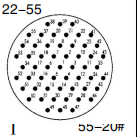
Contact Density & Signal Integrity: MIL-DTL-38999’s ability to house size 22D contacts allows for significantly more data lines in a smaller footprint. This is critical for modern avionics where space is at a premium. However, higher density requires more precise termination tools and increases the risk of crosstalk if not properly shielded.
Voltage Ratings: The 600 VAC rating for the MIL-DTL-83723 is sufficient for most aircraft power distribution subsystems. The higher voltage ceiling of the 38999 series often provides a “safety buffer” in power-heavy electronic warfare (EW) suites.
Environmental Sealing (Triple-Webbed Grommet): As noted in the [Insert Link to Product Page] for our MIL-DTL-83723 series, the use of triple-webbed grommets ensures that even if one seal layer is compromised by wire movement or aging, the connector maintains its dielectric strength and prevents moisture ingress.
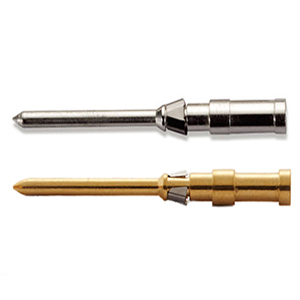
Gold Plating & Conductivity: Both standards typically utilize SAE AS39029 contacts. The thickness of the gold plating on these contacts is vital for maintaining low contact resistance over thousands of mating cycles, particularly in salt-fog environments where oxidation can lead to signal degradation.
In engineering design, the most advanced specification is not always the most efficient. While MIL-DTL-38999 Series III offers superior performance in extreme environments, MIL-DTL-83723 remains a staple in aerospace for specific structural and operational reasons.
The primary differentiator is the coupling mechanism. MIL-DTL-38999 Series III utilizes a triple-start threaded coupling. This design allows for rapid mating (one full turn) while maintaining high torque and self-locking capabilities. It is specifically designed to resist “backing off” under the intense harmonic vibrations found in jet engines or missile launch platforms.
Conversely, the MIL-DTL-83723 Series III offers a bayonet coupling option. While bayonet connectors may have lower vibration thresholds compared to triple-start threads, they provide audible, tactile, and visual confirmation of a secure lock. For technicians working in “blind” areas—such as behind an aircraft’s interior panels—the 1/4-turn bayonet lock is often faster and more reliable than attempting to thread a connector.
In aerospace, weight is a critical variable that directly impacts fuel efficiency and payload capacity.
Both series utilize rear-release, crimp-style contacts (SAE AS39029), which are essential for field maintenance. However, the slightly larger shell sizes relative to pin count in the 83723 series provide more “finger room” for technicians. When performing repairs in a hangar under tight deadlines, this ease of access reduces the risk of damaging the rear grommet or the wire insulation.
| Feature | 38999 Series III | 83723 Series III | Advantage for Engineer |
| Mating Style | 360° Threaded | 90° Bayonet / Threaded | 83723 is faster for maintenance |
| Self-Locking | Integrated Ratchet | Optional / Standard Thread | 38999 is better for high-vibe |
| Typical Mass | Higher | Lower | 83723 helps with weight savings |
Choosing between MIL-DTL-38999 and MIL-DTL-83723 often comes down to the specific zone of the aircraft or defense platform where the connector will reside.
In areas where failure is not an option and environmental conditions are extreme, the 38999 series is the standard choice.
For systems that require military-grade reliability but operate in more controlled or accessible environments, the 83723 provides a more balanced solution.
For procurement managers and engineers working on BOM (Bill of Materials) optimization, finding a “drop-in” replacement or a cross-reference is a common task. Both series are supported by major manufacturers like Amphenol and TE Connectivity, but understanding the naming conventions is critical to avoiding integration errors.
| MIL-Spec Number | Amphenol (Matrix) Series | TE Connectivity (DEUTSCH) | Primary Feature |
| MIL-DTL-38999 Series III | TV / CTV Series | DTS Series | Triple-start, Self-locking |
| MIL-DTL-83723 Series III | Matrix 83723 | DL Series | Bayonet or Threaded |
When searching for an alternative to a legacy part, focus on these three critical factors:
Pro Tip: “Designing to meet or exceed OEM specifications” is our guiding principle. If a specific brand-name connector is on a long lead time, a qualified MIL-spec equivalent from a different QPL (Qualified Products List) manufacturer can often keep your project on schedule without compromising safety.
Selecting the right military connector is only half the battle; ensuring the component performs reliably throughout the program lifecycle is where the supplier’s technical capability becomes critical. At our facility, we bridge the gap between complex specifications and real-world deployment.
We understand that engineering teams cannot afford delays in sample qualification. By maintaining an internal laboratory capable of performing dielectric withstanding voltage (DWV), insulation resistance, and salt spray testing, we provide verified data before the parts even reach your facility. This internal capability means faster sample confirmation cycles and reduced integration risk for your project.
In the aerospace and defense industry, traceability is non-negotiable. Every MIL-DTL-38999 and MIL-DTL-83723 connector we supply comes with full manufacturer traceability and a Certificate of Conformance (CoC). Our inventory strategy focuses on maintaining depth in common shell sizes and insert arrangements (such as 15-35, 13-98, and 25-35), ensuring that your production line remains operational even during global supply chain fluctuations.
While both series utilize SAE AS39029 crimp contacts, they are generally not directly interchangeable. Differences in internal retention clips and insert geometries can lead to “contact push-out” or sealing failures. Always verify the specific “bin code” on the contact datasheet before installation.
For most aerospace applications, Electroless Nickel (Class F/N) offers excellent conductivity and EMI shielding but is less resistant to salt spray. Olive Drab Cadmium (Class W) provides superior corrosion resistance (500-hour salt spray) but is subject to RoHS restrictions. For non-RoHS military environments, Cadmium remains the engineering preference.
It is generally not recommended. While the threaded 83723 offers moderate resistance, the MIL-DTL-38999 Series III features a triple-start thread and integrated ratcheting mechanism specifically engineered to withstand the harmonic frequencies of jet engines and missile platforms.
Composite shells (available in the 38999 series) can reduce weight by up to 40% and are inherently immune to corrosion. However, they may require specialized backshells for proper EMI/RFI grounding. Aluminum remains the standard for general-duty mechanical robustness.

As a Product Manager at Renhotec Group (est. 2008), I specialize in providing deep technical insights into connectors, cables, and custom electronic components. Renhotec is a global leader in interconnect solutions, dedicated to manufacturing high-standard products for diverse industries as your trusted technical partner.



 Русский