M Series Connectors
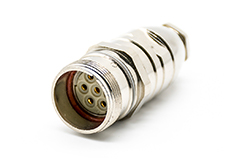
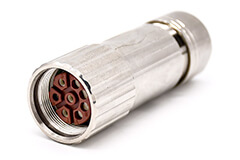
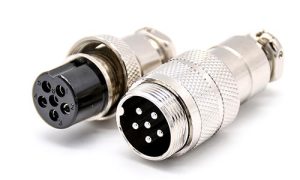
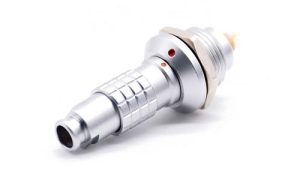
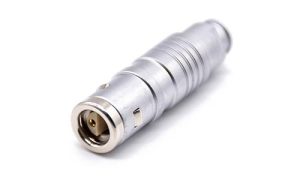
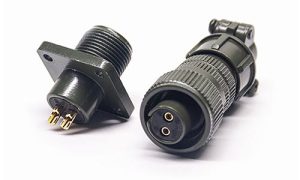
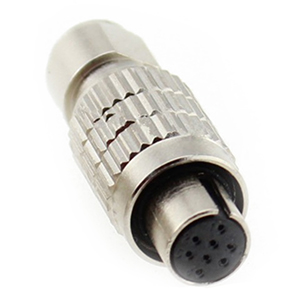
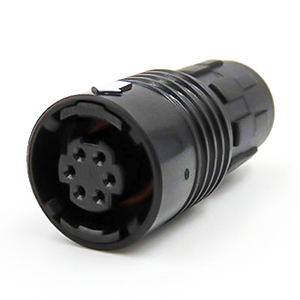
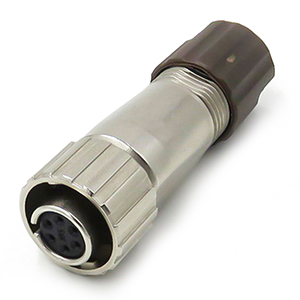
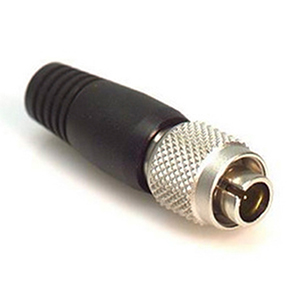
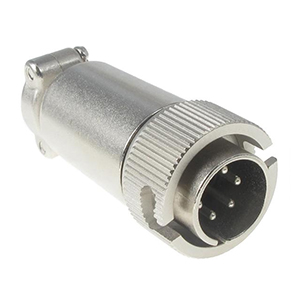
Are lightweight triplestart ratchet coupling type connectors designed for avionics, aerospace, Harsh Environment Connectors, security, motorsport and heavy duty applications.

An M8 connector is a compact circular electrical connector designed for reliable signal, data, and power transmission in industrial automation, sensor systems, and other demanding environments. As part of the metric circular connector family, M8 connectors are widely used where space-saving design, mechanical stability, and protection against dust, moisture, and vibration are required.
The letter “M” in M8 refers to the metric thread size of the connector, while the number “8” indicates the approximate diameter of the mating thread in millimeters. M8 connectors belong to the same family of industrial circular connectors as M5, M8, M12, M16, and M23 connectors, offering different sizes and performance characteristics for various applications.
Compared with larger circular connectors, M8 connectors provide a smaller and more flexible connection solution, making them particularly suitable for compact sensors, actuators, control devices, and automation equipment where installation space is limited.
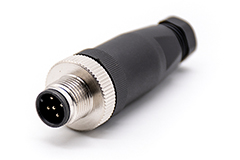
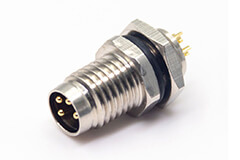
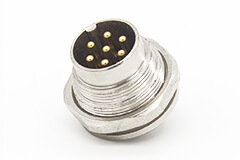
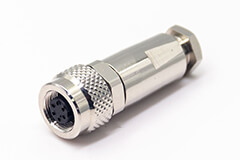
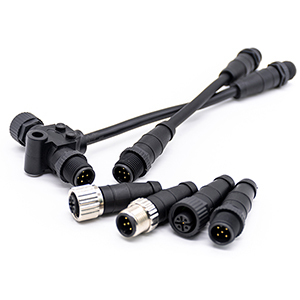
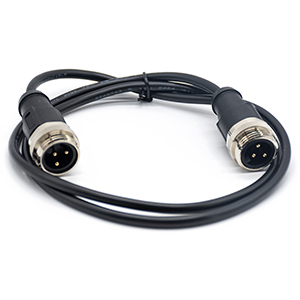
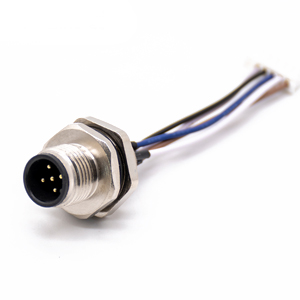
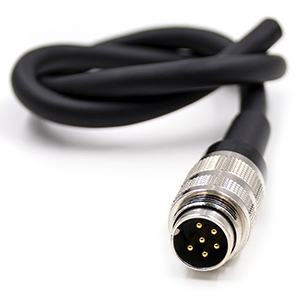
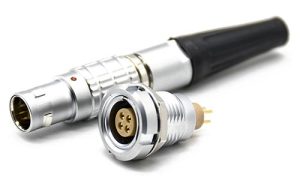
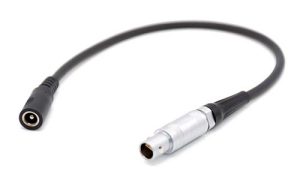
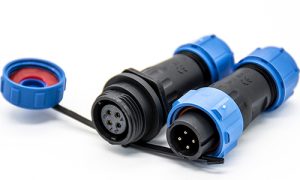
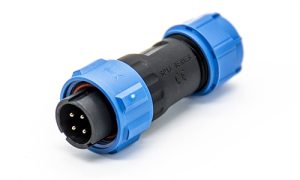
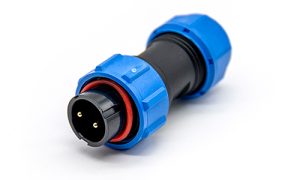
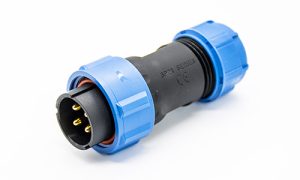
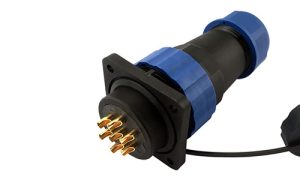
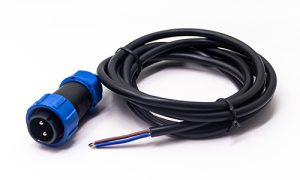
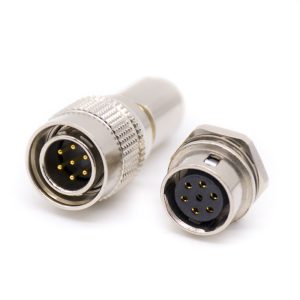
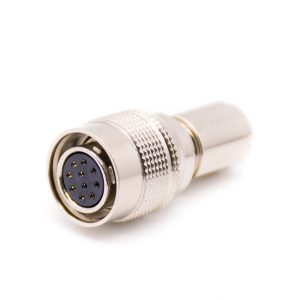
A typical M8 connector consists of a male connector with pins and a female connector with sockets. Depending on the application requirements, M8 connectors are available in different configurations, including cable assemblies, panel mount connectors, field wireable connectors, and PCB-mounted versions.
Today, M8 connectors are widely adopted in industrial environments because they provide reliable electrical connections while maintaining excellent resistance to environmental factors such as moisture, dust, oil, and mechanical stress.
M8 connectors are available in a wide range of configurations to meet different industrial connection requirements. The most common differences include connector gender, pin count, mounting style, termination method, and housing design.
By selecting the right M8 connector configuration, engineers can ensure reliable signal transmission, efficient installation, and long-term performance in industrial environments.
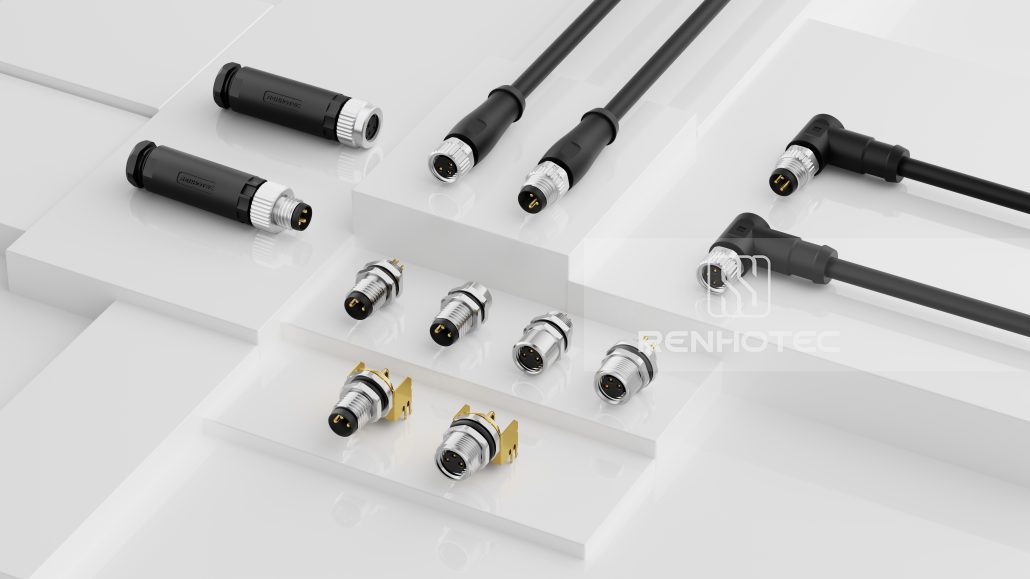
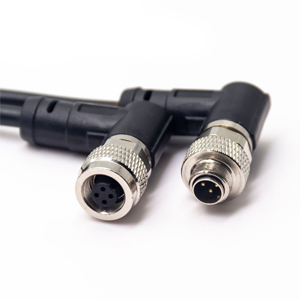
Like other circular connectors, M8 connectors consist of male and female versions. The male connector typically contains pins, while the female connector contains sockets designed to receive the pins.
Male M8 connectors are commonly used for signal output or device-side connections, while female M8 connectors are often used for cable assemblies, sensors, and equipment interfaces.
Depending on the application, M8 connectors can be designed as:
The correct gender selection ensures proper mating compatibility and prevents connection errors during installation.
One of the most important ways to classify M8 connectors is by the number of contacts or pins. Different pin configurations support different electrical requirements, from simple power connections to more complex signal transmission.
Common M8 pin configurations include:
| Pin Count | Typical Applications |
|---|---|
| 3-pin M8 connector | Power supply, simple sensors, basic control signals |
| 4-pin M8 connector | Sensors, actuators, industrial automation, data transmission |
| 5-pin M8 connector | Multi-signal sensors and control systems |
| 6-pin / 8-pin M8 connector | Complex signal applications requiring more contacts |
| 12-pin M8 connector | Specialized applications requiring higher signal density |
Based on installation methods, M8 connectors are commonly available in three main styles:
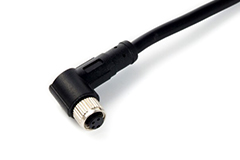
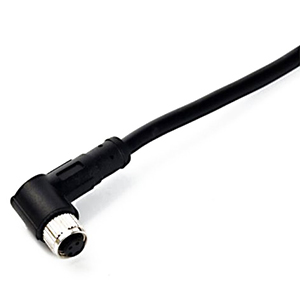
M8 cable connectors are pre-assembled or field-attached to cables and are widely used for sensors, actuators, and automation equipment.
Advantages:
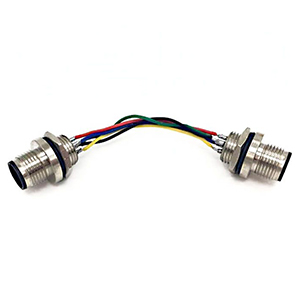
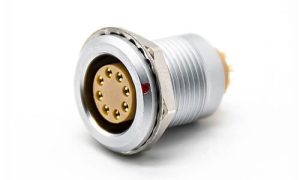
Panel mount M8 connectors are installed directly into equipment housings or control panels, providing a fixed interface for external connections.
Advantages:
Field wireable M8 connectors allow users to terminate cables on-site without pre-assembled cables.
Advantages:

M8 connector pinout and coding are important factors that determine how a connector is used in industrial automation and sensor applications. The pin configuration defines the electrical connection of each contact, while the coding system helps prevent incorrect mating between connectors with different functions.
Depending on the application requirements, M8 connectors are available with different numbers of contacts and coding options. The correct pin assignment ensures reliable transmission of power, signals, or data between devices.
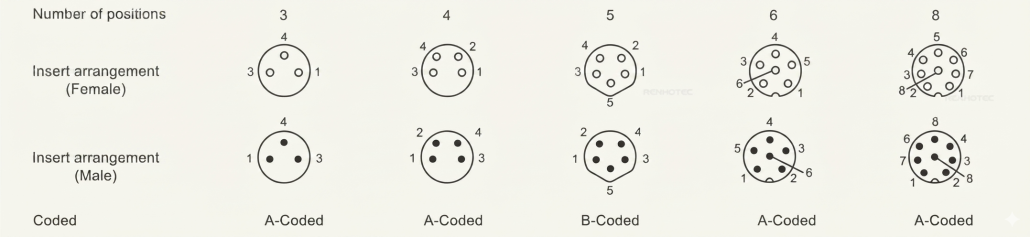
M8 connector coding refers to the mechanical keying system used to distinguish connectors with different electrical functions. The keying structure ensures that connectors with different purposes cannot be accidentally connected together.
Common M8 coding types include:
Each coding type has a different key position and is designed for specific applications.

A-coded M8 connectors are the most commonly used type and are widely applied in sensor and actuator connections.
Typical applications include:
They are commonly available in 3-pin, 4-pin, and 5-pin configurations for transmitting power and basic control signals.
B-coded M8 connectors are designed for applications that require a different keying structure from standard sensor connections.
They are often used in industrial communication and control applications where preventing incorrect connection between different connector types is important.
D-coded and X-coded M8 connectors are mainly used for industrial Ethernet and high-speed data transmission applications.
Compared with standard sensor connectors, these versions are designed to support higher-frequency signal transmission while maintaining the compact M8 form factor.
Typical applications include:
M8 connector specifications vary depending on the connector design, contact configuration, materials, and application requirements. Before selecting an M8 connector, engineers should consider key electrical and mechanical parameters, including dimensions, rated voltage, current capacity, protection rating, cable type, and operating environment.
The compact design of M8 connectors makes them ideal for applications where installation space is limited, while their rugged construction allows them to perform reliably in demanding industrial environments.
Common M8 connector specifications include:
| Specification | Typical Value |
|---|---|
| Thread Size | M8 × 1.0 |
| Pin Count | 3-12 pins |
| Rated Voltage | Up to 60V |
| Rated Current | 1A-3A |
| Protection Rating | IP67/IP68/IP69K |
| Temperature Range | -40℃ to +85℃ |
| Housing Material | Plastic / Metal / Stainless Steel |
One of the defining characteristics of an M8 connector is its compact metric threaded interface. The “M8” designation refers to the approximate 8 mm diameter of the connector thread, which provides a secure mechanical connection while maintaining a small installation footprint.
Typical M8 connector dimensions include:
Compared with larger circular connectors such as M12 and M16 connectors, M8 connectors require less installation space and are often preferred for compact sensors and miniature automation devices.

M8 connectors are designed for low-voltage signal, control, and power applications. The electrical performance depends on the number of contacts, contact materials, and connector design.
Typical electrical specifications include:
| Parameter | Description |
|---|---|
| Rated Voltage | Up to 60V |
| Rated Current | 1A to 3A |
| Contact Material | Copper alloy |
| Contact Plating | Gold (Au) |
| Signal Type | Power, sensor signal, communication data |
3-pin M8 connectors are commonly used for simple power supply applications, while 4-pin and 5-pin versions are widely used for sensor signals and industrial automation systems.
Industrial environments often expose connectors to moisture, dust, oil, vibration, and chemical substances. To ensure reliable operation, M8 connectors are available with different protection ratings.
Common protection levels include:
With appropriate sealing materials and housing designs, M8 connectors can provide reliable performance in harsh environments such as factory automation, outdoor equipment, and industrial machinery.
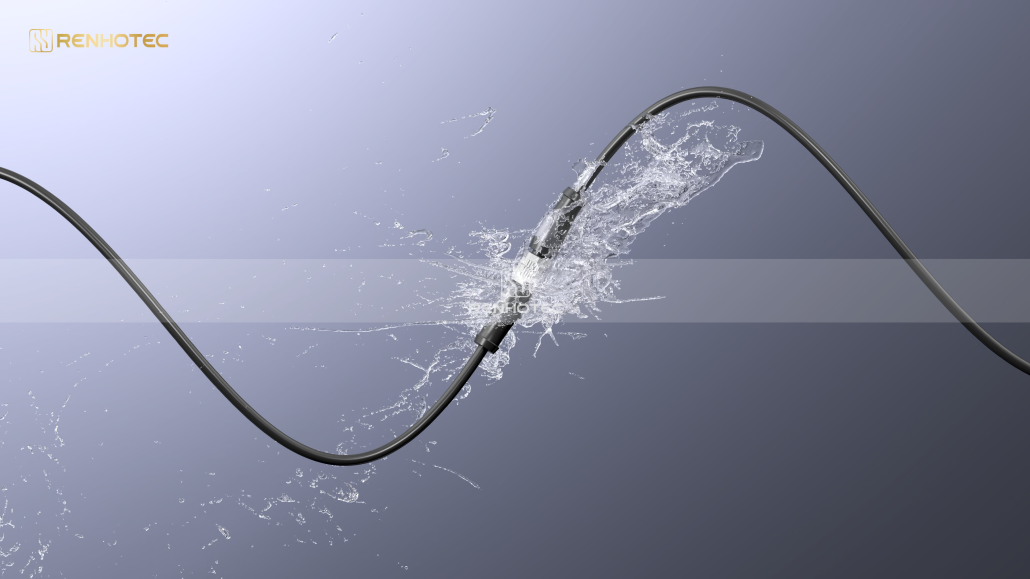
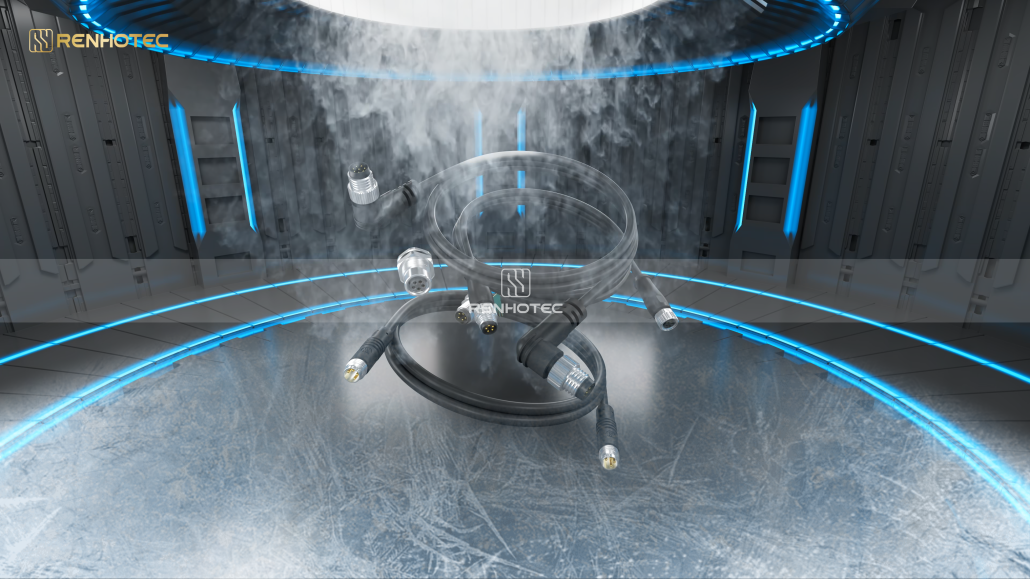

M8 connectors are widely used in industrial automation and electronic systems where compact size, reliable signal transmission, and environmental protection are required.
Because of their small footprint and rugged construction, M8 connectors are especially suitable for connecting sensors, actuators, control devices, and communication components in space-limited applications.
Common applications of M8 connectors include industrial automation, robotics, sensor systems, transportation equipment, and outdoor machinery.
Industrial automation is one of the most common application areas for M8 connectors. In automated production lines, M8 connectors are frequently used to connect proximity sensors, photoelectric sensors, valves, actuators, and control devices.
Their compact design allows manufacturers to install sensors and connection systems in areas where larger connectors cannot fit. At the same time, IP67, IP68, and IP69K protection options allow M8 connectors to maintain stable operation in environments exposed to dust, oil, vibration, and moisture.
Typical industrial automation applications include:
M8 connectors are widely recognized as standard sensor connectors in industrial environments. Their compact size makes them ideal for connecting sensors installed in machines, production equipment, and monitoring systems.
Common sensor applications include:
Compared with traditional hard-wired connections, M8 sensor connectors simplify installation, reduce wiring complexity, and improve maintenance efficiency.
Robotics and compact machinery often require connectors that provide reliable performance while occupying minimal installation space.
M8 connectors are commonly used in:
Their vibration resistance, secure threaded connection, and flexible cable options make them suitable for dynamic industrial environments.
Many industrial environments require connectors that can withstand challenging conditions such as moisture, chemicals, vibration, and temperature changes.
With waterproof designs and durable materials, M8 connectors are suitable for applications including:
Metal and stainless steel M8 connectors provide additional mechanical strength for applications requiring enhanced durability.
M8 and M12 connectors are both widely used circular connectors in industrial automation applications. Although they belong to the same metric connector family, they are designed for different application requirements.
The main differences between M8 and M12 connectors are related to:
Generally, M8 connectors are preferred for compact devices and sensor applications where space is limited, while M12 connectors are commonly selected for applications requiring higher power capacity, stronger mechanical strength, or more complex signal transmission.
| Feature | M8 Connector | M12 Connector |
|---|---|---|
| Thread Size | M8 × 1.0 | M12 × 1.0 |
| Diameter | Smaller and more compact | Larger and stronger |
| Typical Pins | 3, 4, 5 pins | 3, 4, 5, 8, 12 pins |
| Current Capacity | Lower power applications | Higher power applications |
| Common Uses | Sensors, actuators, compact automation devices | Sensors, Ethernet, fieldbus, industrial equipment |
| Installation Space | Limited space applications | Standard industrial installations |
M8 connectors are usually the better choice when the application requires:
Typical examples include:
M12 connectors are commonly selected when higher mechanical strength, greater electrical capacity, or advanced communication performance is required.
Typical applications include:
Choosing between M8 and M12 connectors depends on factors such as installation space, electrical requirements, communication needs, and environmental conditions.
For a detailed selection guide, including pin count, coding, applications, and product recommendations, please refer to:
How to Choose M8 Connector and M12 Connector
M8 connectors are designed according to international industrial connector standards to ensure compatibility, reliability, and consistent performance across different manufacturers and applications.
The most important standards related to M8 connectors include connector dimensional standards, protection ratings, material requirements, and electrical performance specifications.
Following standardized designs allows M8 connectors from different suppliers to maintain reliable mechanical mating and electrical connection performance.
Most M8 connectors are based on the IEC 61076 standard series, which defines requirements for dimensions, mechanical characteristics, and performance of circular connectors used in industrial applications.
For M8 connectors, IEC 61076-2-104 specifies requirements for circular connectors with an M8 × 1 screw-locking mechanism.
This standard helps ensure:
Protection ratings are important considerations when selecting M8 connectors for industrial environments.
The IP rating defines the level of protection against solid particles and water ingress.
Common M8 connector protection ratings include:
| Protection Rating | Description |
|---|---|
| IP67 | Dust-tight and protected against temporary immersion in water |
| IP68 | Protected against continuous water exposure under specified conditions |
| IP69K | Designed for high-pressure and high-temperature washdown environments |
The appropriate IP rating depends on the installation environment and exposure conditions.
In addition to standards and protection ratings, material selection also affects the reliability of M8 connectors.
Common materials include:
Housing Materials
Contact Materials
M8 connectors commonly use copper alloy contacts with gold plating to improve conductivity, corrosion resistance, and long-term reliability.
These material choices allow M8 connectors to perform effectively in industrial environments involving vibration, moisture, chemicals, and temperature fluctuations.
To ensure reliable performance and compliance with industrial requirements, Renhotec M8 connectors and cable assemblies have passed various international tests and certifications, including IP protection, CE, RoHS, and REACH compliance.
Choosing the right M8 connector depends on several factors, including pin count, coding type, mounting method, protection rating, cable material, and electrical requirements.
For example:
Before selecting an M8 connector, confirm the device interface, operating environment, and required signal type.
Unstable connections from M8 connectors are usually caused by improper installation, damaged contacts, or unsuitable connector selection.
To improve reliability, ensure the connector is fully tightened, select the correct IP rating, and avoid excessive stress near the cable outlet.
Yes. M8 connectors are widely used in harsh industrial environments when the appropriate protection rating and materials are selected.
Common options include:
Typical applications include industrial sensors, automation equipment, outdoor machinery, and food processing systems.
M12 connectors cannot always be replaced directly with M8 connectors because they differ in size, electrical capacity, mechanical strength, and application requirements.
Before replacing an M12 connector with an M8 connector, check the mechanical interface, pin configuration, and electrical specifications.
The maximum cable length of an M8 connector depends on the signal type, voltage requirements, cable specifications, and operating environment.
For standard sensor applications, longer cable lengths are generally possible. However, high-speed communication applications require careful consideration of signal integrity and electromagnetic interference.
Important factors include:
M8 connectors are commonly available in molded cable and field wireable versions. The best choice depends on installation requirements and customization needs.
Molded cable connectors are preferred for fast installation, while field wireable connectors are suitable for customized applications.

As an industry specialist at Renhotec Group, I have years of expertise in the field of electronic interconnection. Founded in 2008, Renhotec Group is a global leader in designing and manufacturing connectors, cables, and custom electronic components for a wide range of industries. We are committed to providing high-performance interconnect solutions, leveraging technical innovation and rigorous quality standards to empower global customers across industrial, RF, and EV sectors.



 Русский