M Series Connectors
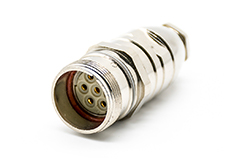
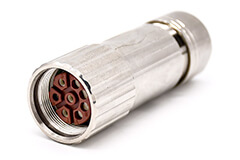
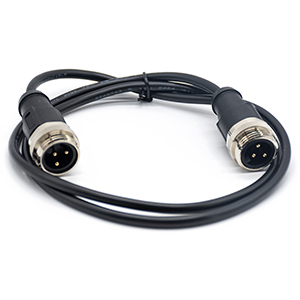
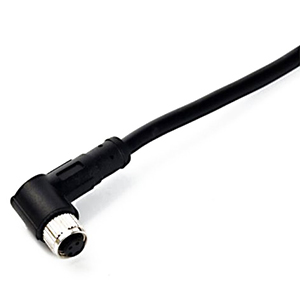
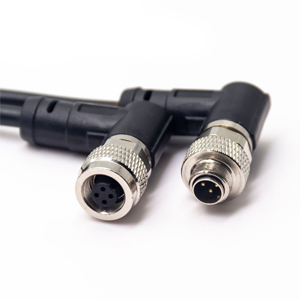
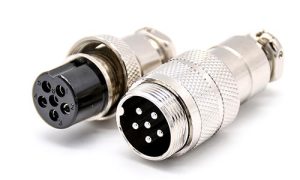
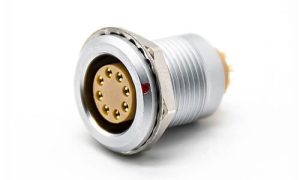
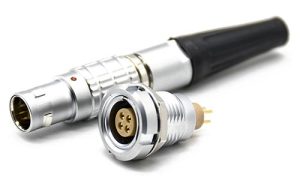
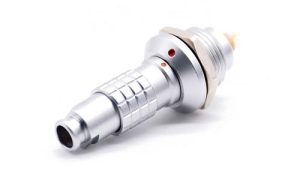
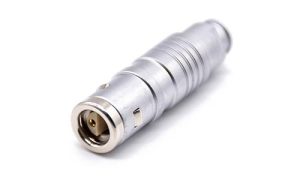
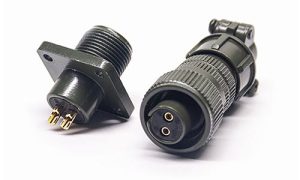
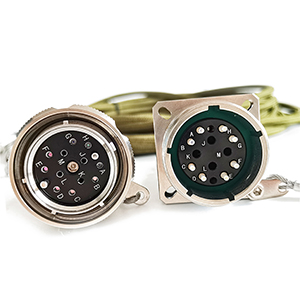
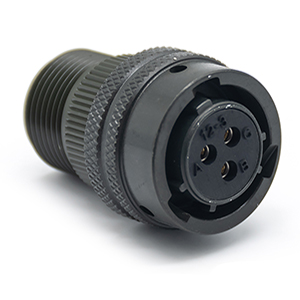
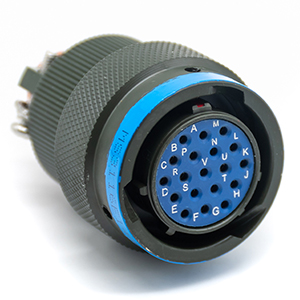
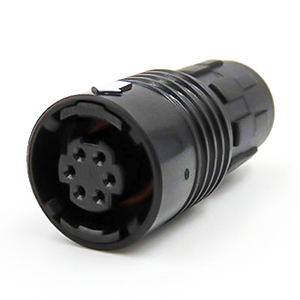
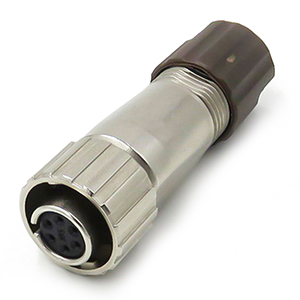
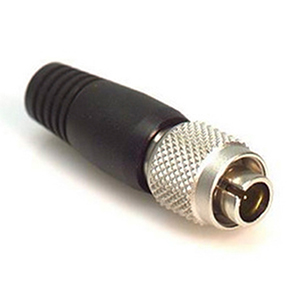
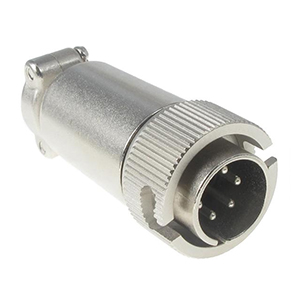
Are lightweight triplestart ratchet coupling type connectors designed for avionics, aerospace, Harsh Environment Connectors, security, motorsport and heavy duty applications.

As system complexity increases, the variety and number of connectors required for control systems grow, making the design of interconnect systems more difficult. Such challenges are even more pronounced with heavy duty connectors.
Heavy duty connectors will have higher requirements, specifically designed to meet the demanding application environment for reliability and safety. And sometimes, in addition to electrical interconnections, we also need to consider the optical and air connections, which require developers to spend more effort and cost on designing the interconnection system.
Heavy duty connector is a kind of terminal block, mainly used in industrial automation, equipment manufacturing, industrial systems building, information and control technology, and many other fields, also known as “industrial connectors.”
HARTING’s earliest practice in heavy duty modular connectors began in the 1990s with the prestigious Han series of connectors. Initially, they only considered using the modular design to achieve a hybrid power+signal connection in one connector. They then gradually added fiber optic and network modules and finally launched the mature Han-Modular series in 1995.
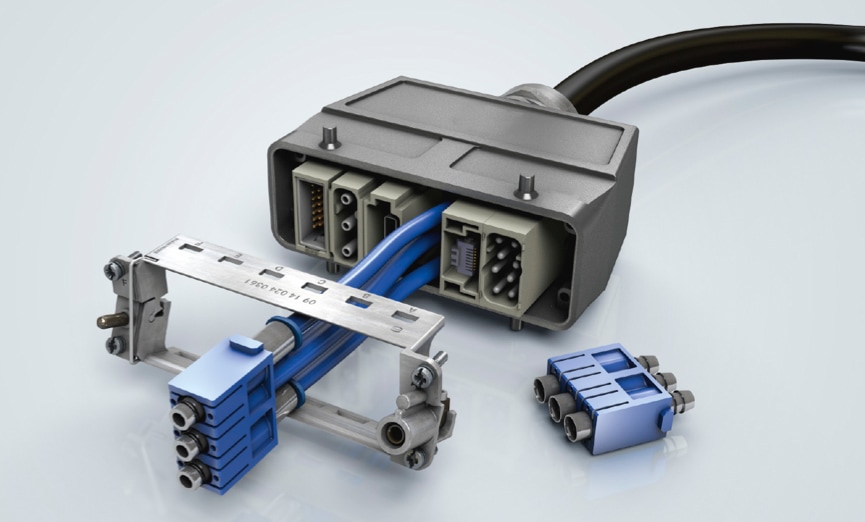
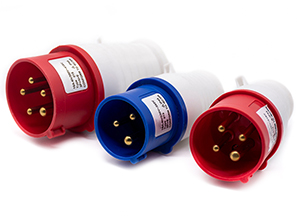
Heavy duty connectors are industrial electrical connectors specifically designed to provide reliable power, signal, and data transmission in demanding operating environments. Unlike conventional connectors used in general electrical applications, they are engineered to withstand harsh conditions such as vibration, dust, moisture, oil, extreme temperatures, and mechanical stress while maintaining stable electrical performance.
A heavy duty connector is an industrial electrical connector designed to transmit power, signals, pneumatic lines, or data in harsh environments. Its modular design allows multiple connection types to be integrated into a single interface, making installation, maintenance, and future upgrades more efficient.
Heavy duty electrical connectors are commonly used wherever equipment requires frequent installation, replacement, or maintenance. Instead of connecting individual wires one by one, engineers can pre-assemble complete cable harnesses and simply plug or unplug the connector on site. This significantly reduces installation time, minimizes wiring errors, and improves overall system reliability.
Compared with standard industrial connectors, industrial heavy duty connectors provide several key advantages, including higher current-carrying capacity, superior ingress protection (typically IP65 to IP68 when properly mated), stronger resistance to shock and vibration, and flexible modular configurations for power, signal, data, fiber optic, or pneumatic transmission. These features make them an ideal solution for industrial automation, robotics, machinery, railway transportation, renewable energy systems, and many other mission-critical applications.
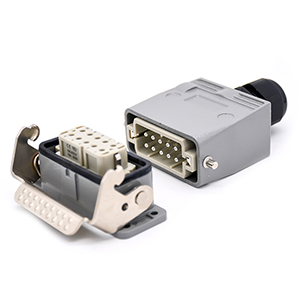
Although heavy duty connectors are available in many sizes and configurations, most products share a similar modular structure. Understanding each component helps engineers select compatible parts, simplify installation, and improve long-term reliability.
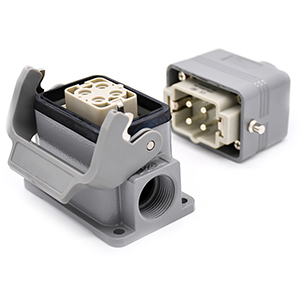
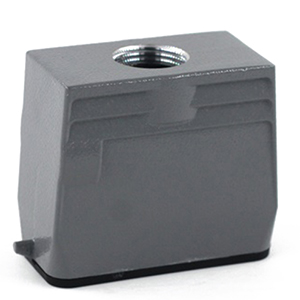
The hood and housing form the protective enclosure of a heavy duty connector. The hood is the cable-side cover that protects the internal wiring, while the housing (or base) is typically mounted on equipment or panels to secure the connector during operation.
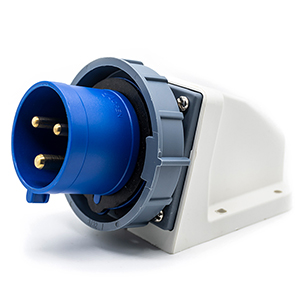
Depending on the installation requirements, hoods are available in top-entry and side-entry versions, while housings can be designed for bulkhead mounting, surface mounting, or panel mounting. Most industrial heavy duty connectors use die-cast aluminum housings for excellent mechanical strength and corrosion resistance, while lightweight thermoplastic housings are also available for applications where reduced weight and cost are priorities.
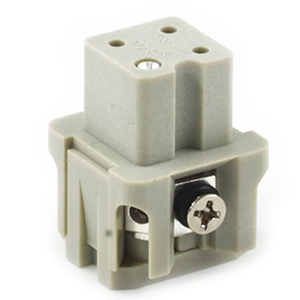
The insert is the functional core of a heavy duty connector. It holds the electrical contacts in position and determines the connector’s current rating, contact arrangement, and wiring configuration.
Different inserts are designed for different transmission requirements, including power, control signals, industrial Ethernet, fiber optics, and pneumatic connections. Modern modular systems even allow multiple insert types to be combined within a single connector, providing greater flexibility for complex industrial equipment.
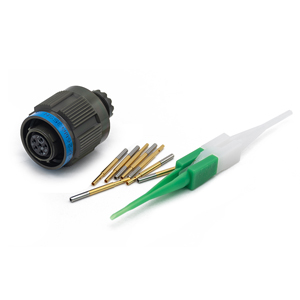
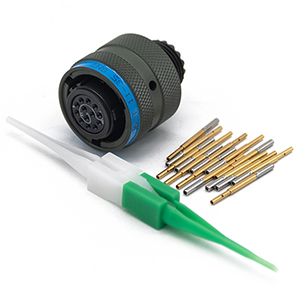
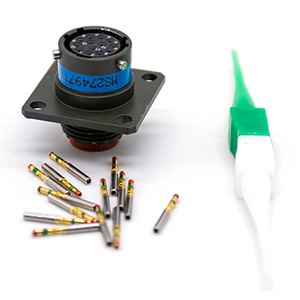
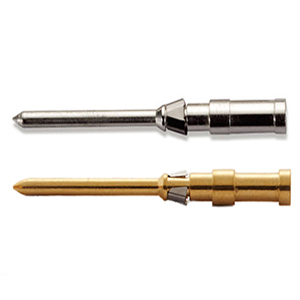
Electrical contacts create the conductive path between mating connectors. Heavy duty connectors generally use male pins and female sockets, which can be terminated using crimp, screw, spring cage, or push-in technologies depending on the application.
Contact materials also influence electrical performance and durability. Silver-plated contacts are commonly used for high-current power transmission because of their excellent conductivity, while gold-plated contacts provide better corrosion resistance and stable signal transmission for low-current control and communication circuits.
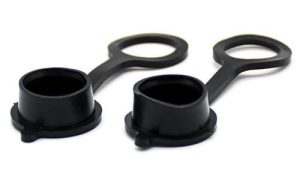
In addition to the main connector body, several accessories improve safety and reliability. Cable glands provide strain relief and sealing to prevent dust and moisture from entering the connector. Locking levers ensure secure mating even under vibration, while protective covers, sealing gaskets, coding pins, and adapter frames further enhance environmental protection and installation flexibility.
By combining standardized housings, interchangeable inserts, and various accessories, heavy duty connectors offer a highly modular connection system that can be adapted to a wide range of industrial applications.

Heavy duty connectors can be classified in several ways, including their transmission function, structural design, and housing material. Choosing the right connector type depends on the equipment’s electrical requirements, installation environment, and communication needs. While many manufacturers offer proprietary product families, most heavy duty connectors fall into the following common categories.
| Connector Type | Main Function | Typical Application |
| Power Connectors | High-current power transmission | Motors, power distribution, machinery |
| Signal Connectors | Control and low-current signals | PLCs, sensors, controllers |
| Data Connectors | Industrial network communication | Ethernet, PROFINET, CAN Bus |
| Hybrid Connectors | Power + signal + data | Robotics, automated production lines |
| Modular Connectors | Flexible combination of multiple modules | Complex industrial equipment |
Power connectors are designed to transmit medium to high electrical currents safely and reliably. They typically feature larger contacts and heavier conductors to minimize power loss and ensure stable operation under demanding industrial conditions. These connectors are commonly used in motors, industrial machinery, switch cabinets, and power distribution systems.
Signal connectors are primarily used to transmit low-current control signals between PLCs, sensors, actuators, and control systems. Compared with power connectors, signal connectors usually accommodate more contacts within the same housing, making them suitable for applications requiring multiple control circuits.
As industrial communication continues to evolve, many heavy duty connectors now support high-speed data transmission. Dedicated data modules can integrate industrial Ethernet, PROFINET, CAN Bus, USB, or RJ45 interfaces into heavy duty connector systems, allowing both power and communication cables to be connected through a single interface.
Hybrid connectors combine power, signal, and data transmission within one connector housing. Instead of using multiple separate connectors, engineers can integrate different transmission media into a single modular system, reducing installation space while simplifying wiring and maintenance. Hybrid connectors are increasingly used in robotics, automated manufacturing equipment, and intelligent production lines.
Modular heavy duty connectors offer the highest level of flexibility. Rather than using a fixed insert, users can freely combine different functional modules—including power, signal, Ethernet, fiber optic, and pneumatic modules—according to specific application requirements.
This modular concept has become one of the most important developments in the heavy duty connector industry. For example, HARTING introduced its Han-Modular® system to provide customizable connector configurations for increasingly complex industrial applications, demonstrating how modular design can improve equipment flexibility and simplify future expansion. The original version of this article also highlighted the evolution of modular connector systems as a major milestone in heavy duty connector development.
Heavy duty connectors are also classified by housing material.
Metal housings, typically made from die-cast aluminum, provide excellent mechanical strength, EMC shielding, and resistance to impact, making them suitable for demanding industrial environments.
Thermoplastic housings offer a lightweight and cost-effective alternative while maintaining good corrosion resistance. They are widely used in automation equipment, packaging machinery, and other applications where weight reduction is an important consideration.
The choice between metal and thermoplastic housings depends on the application’s mechanical requirements, environmental conditions, and overall system design.
From the perspective of ferrule modules, Han-Modular® currently provides more than 40 types of modules, covering signal, power, high voltage, gas, optical fiber, shielding, network data (RJ45, M12, Ethernet, etc.), coaxial and customer-defined connections device. Meet a wide range of design specifications, covering current from 5A to 200A, voltage from 50V to 5000V, air tubes from 1.6mm to 6mm ID, sensitive bus signals, and applications such as plastic optical fiber (POF) and glass optical fiber.
In terms of frame, HARTING replaces the traditional buckle with metal spring strips in the latest products. Easier to open and close, mechanically strong, easy to fix and equipped with guides for assembly without special tools. Good compatibility with ferrule modules.
Han-Modular® also has a wide range of housings to support combinations of 1 to 12 connector modules. It is also available with various ingress protection ratings such as IP65, IP67, IP68 and IP69K.
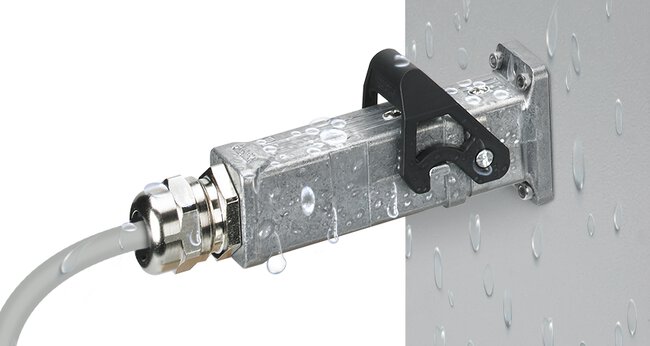
Han-Eco® replaces the metal top case and chassis traditionally used in harsh industrial environments with high-performance polyamide materials, ensuring interconnect system reliability while being lightweight and cost-effective, giving users greater design flexibility.
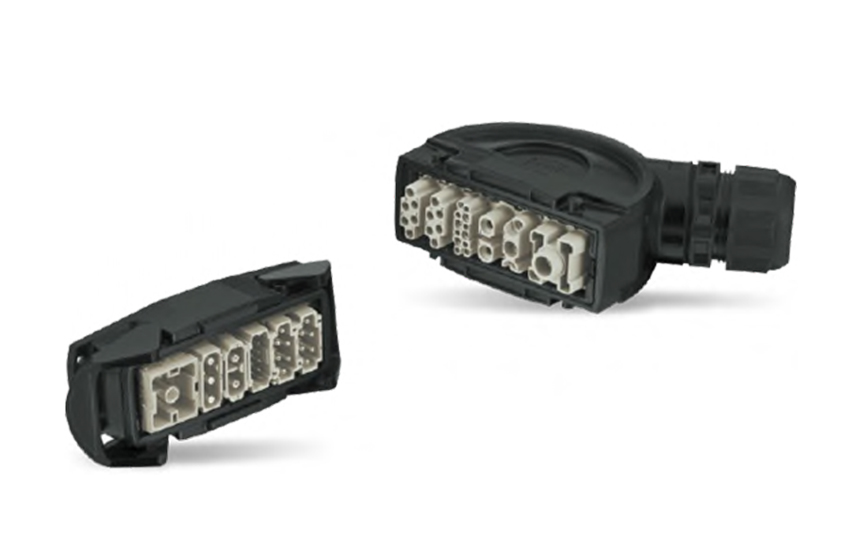
Han-Eco® is compatible with the range of modules in the Han-Modular® series, available in sizes 6B, 10B, 16B and 24B, and with integrated cable fasteners and optional PE pin modules for fixing protective ground wires. Thanks to the “Click & Mate” technology, the user can audibly confirm that the connectors are correctly paired. This enables quick assembly without screws and tools and is very easy to use.
Han-Eco® also meets the flammability requirements of UL94 Class V 0 and offers IP65 protection according to DIN EN 60 529 when mated and locked. With an operating temperature range of -40°C to +125°C, it offers high mechanical stability and excellent resistance to harsh environments. It is therefore very popular for industrial applications of modular interconnections that do not require expensive metal housings, e.g. offshore wind farms, conveyor systems, packaging machines, etc.
The Han-Yellock® connector system is another modular solution of interest. The system interface consists of a base, its side bulkhead mount, and an intermediate housing with a cover on the cable side. While retaining the core functionality of the Han® series, the special form and dimensions of the design to meet the needs of high safety and reliability indoor and outdoor applications while providing great flexibility and ease of use.
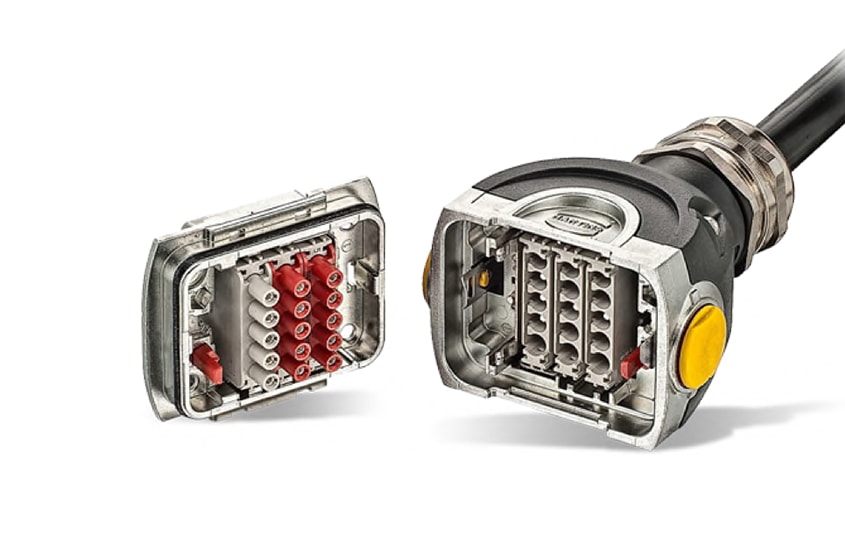
Specifically, the Han-Yellock® connector system has the following features.
Another important concept in the Han-Yellock® design is to simplify the electrical and mechanical layout of the device by “doing the wiring that was previously done inside the device, inside the connector.”
Multiplier modules achieve this by switching five contacts (each with a current-carrying capacity of 20A) to two, three, four, or five links, depending on the need. In other words, Han-Yellock® connectors can achieve the multiplication function that used to be implemented in the device using terminals.
Selecting the correct housing size is one of the most important steps when designing or specifying a heavy duty connector system. Many users mistakenly assume that housing codes such as 6B or 16B indicate the number of contacts. In reality, these codes refer to the connector housing size, which determines the available installation space for inserts, cable entry, and locking mechanisms.
Different housing sizes are designed to accommodate various insert configurations and electrical requirements. A larger housing can generally support more contacts, larger conductor sizes, or multiple modular inserts, making it suitable for more complex industrial applications.
The most common heavy duty connector housing sizes include:
| Housing Code | Typical Application |
|---|---|
| 3A | Compact sensors, small control equipment |
| 10A | Small industrial devices |
| 16A | Control cabinets and automation systems |
| 32A | Medium industrial machinery |
| 6B | General-purpose industrial equipment |
| 10B | Automation and machinery |
| 16B | Multi-signal and power applications |
| 24B | Large control systems |
| 32B | High-density industrial equipment |
| 48B | Complex modular systems |
These standardized housing codes are widely used throughout the heavy duty connector industry, although dimensions and compatible inserts may vary slightly between manufacturers.
While the housing provides mechanical protection, the insert determines the electrical configuration of the connector. Selecting a housing therefore involves more than simply choosing the largest available size.
Engineers should evaluate several factors, including:
A properly matched housing and insert combination not only improves installation efficiency but also helps optimize equipment layout and long-term maintenance.
There is no universal “best” housing size. Instead, the ideal selection depends on the application’s electrical and mechanical requirements.
For compact equipment with limited installation space, smaller housing sizes are often sufficient. Medium-sized automation equipment typically requires larger housings capable of accommodating multiple power and signal circuits, while complex machinery or modular production systems may benefit from larger housing codes that support multiple inserts and future expansion.
When selecting a heavy duty connector, engineers should consider the complete connector system—including housing, insert, contacts, cable gland, and mounting method—rather than focusing on housing size alone.
Beyond connector size and configuration, electrical and environmental performance plays a critical role in selecting the right heavy duty connector. Choosing specifications that match the operating conditions helps ensure reliable performance, longer service life, and reduced maintenance costs.
Every heavy duty connector is designed to operate within a specified current and voltage range. The actual rating depends not only on the connector itself but also on factors such as contact size, wire gauge, ambient temperature, and the number of loaded contacts.
When selecting a connector, always ensure that its electrical ratings meet or exceed the requirements of your application. Choosing an underrated connector may lead to excessive heat generation, voltage drop, or premature failure.
The required number of contacts depends on how many power, signal, or communication circuits need to be connected. At the same time, the wire size must be compatible with the selected contacts to ensure secure termination and stable electrical performance.
Balancing contact quantity with conductor size is particularly important in compact equipment where installation space is limited.
Industrial environments often expose connectors to dust, water, oil, and other contaminants. For this reason, heavy duty connectors are commonly available with protection ratings ranging from IP65 to IP68, depending on their design and sealing system.
It is important to note that the specified IP rating is generally achieved only when the connector is fully mated, properly locked, and used with suitable cable glands and seals. Correct installation is therefore essential to maintain the expected level of environmental protection.
In addition to electrical performance, engineers should also evaluate the connector’s ability to withstand mechanical and environmental stresses.
Typical considerations include:
Selecting a connector that matches both the electrical load and the surrounding environment helps maximize equipment reliability while reducing unplanned downtime.
Selecting the appropriate termination and installation method is just as important as choosing the connector itself. The right connection technology improves electrical reliability, simplifies maintenance, and ensures stable performance throughout the equipment’s service life.
Heavy duty connectors support several termination technologies, each designed for different installation environments and maintenance requirements.
| Termination Method | Advantages | Typical Applications |
|---|---|---|
| Screw | Simple installation and easy maintenance | General industrial equipment |
| Crimp | Excellent vibration resistance and stable electrical performance | Automation systems, machinery, mass production |
| Spring Cage | Fast wiring without screw tightening | PLC cabinets and automated equipment |
| Push-in | Tool-free installation and quick assembly | Modern control cabinets and field installations |
Among these options, crimp termination is widely preferred in industrial applications because it provides a secure mechanical connection and consistent electrical performance under vibration. Screw termination remains a practical choice for equipment that requires frequent maintenance or field wiring, while spring cage and push-in technologies help reduce installation time in modern automation systems.
Heavy duty connectors can also be installed in different ways depending on the equipment design.
Panel mount connectors are commonly installed on control cabinets, machine enclosures, and electrical panels to provide a fixed connection interface.
Surface mount and bulkhead mount configurations are often used where connectors need to be securely integrated into machinery while allowing quick cable connection and replacement.
The choice of cable entry direction is another important consideration. Top-entry hoods are suitable for vertical cable routing, whereas side-entry hoods help reduce installation height in compact spaces.
Proper installation—including correct tightening of cable glands, secure locking of levers, and appropriate cable strain relief—is essential for maintaining both electrical reliability and the specified IP protection rating.
Heavy duty connectors are widely used in industries that require reliable electrical connections under demanding operating conditions. Their modular design, high current capacity, and resistance to dust, moisture, and vibration make them suitable for a broad range of industrial equipment.
Industrial automation is one of the largest application areas for heavy duty connectors. They are commonly used in PLC control cabinets, robotic systems, servo drives, conveyor systems, and automated production lines, where fast installation and reliable maintenance are essential. Their plug-and-play design significantly reduces wiring time and minimizes production downtime during equipment replacement or servicing.
Heavy duty connectors are extensively used in CNC machines, injection molding machines, packaging equipment, textile machinery, and material handling systems. These machines often operate in dusty, high-vibration environments, requiring connectors that provide secure locking, stable electrical performance, and long service life.
Railway systems demand connectors capable of withstanding continuous vibration, temperature changes, and harsh outdoor environments. Heavy duty connectors are widely applied in onboard electrical systems, signaling equipment, control cabinets, and power distribution units to ensure reliable operation throughout the system’s lifecycle.
Wind turbines, energy storage systems, and industrial power distribution equipment rely on heavy duty connectors to deliver stable electrical connections in challenging outdoor conditions. Connectors with high IP protection ratings and corrosion-resistant housings help maintain long-term reliability while reducing maintenance requirements.
Construction equipment such as excavators, cranes, mining machinery, and mobile industrial equipment operates under constant vibration, dust, and mechanical impact. Heavy duty connectors provide durable electrical interfaces that withstand these demanding working conditions while simplifying equipment maintenance.
In addition to traditional industrial applications, heavy duty connectors are increasingly used in modular power distribution systems, UPS equipment, and data center infrastructure. Their modular architecture enables faster equipment installation, easier maintenance, and improved scalability for modern electrical systems.
Selecting the right heavy duty connector is about more than matching dimensions. Engineers should evaluate the electrical requirements, installation environment, and future maintenance needs to ensure reliable long-term performance. The following checklist can help simplify the selection process.
First, determine what the connector needs to transmit. Some applications require only power, while others need signal, data, fiber optic, or pneumatic connections. For complex equipment, a modular or hybrid connector can integrate multiple transmission types into a single interface, reducing wiring complexity and saving installation space.
Choose a connector with sufficient rated current, voltage, and contact capacity for your application. It is also important to consider wire size, ambient temperature, and the number of simultaneously loaded contacts, as these factors can affect the connector’s actual electrical performance.
Choose a housing size that provides enough space for the required insert while fitting the available installation area. At the same time, determine the most suitable mounting method, such as panel mount, bulkhead mount, or surface mount, together with the appropriate cable entry direction.
Environmental conditions have a significant impact on connector performance. Consider the required IP protection rating, operating temperature, vibration level, corrosion resistance, and any EMC shielding requirements. Selecting a connector designed for the actual working environment helps improve reliability and reduce maintenance costs.
Before making a final decision, verify that the housing, insert, contacts, and accessories are fully compatible. If future equipment upgrades are expected, choosing a modular connector system can provide greater flexibility while reducing replacement costs.
Quick Selection Checklist
✓ Transmission type (Power / Signal / Data)
✓ Rated current and voltage
✓ Number of contacts
✓ Wire size
✓ Housing size
✓ Cable entry direction
✓ Termination method
✓ IP protection rating
✓ Operating temperature
✓ Mounting method
Heavy duty connectors and circular connectors are both widely used in industrial applications, but they are designed for different installation requirements. Understanding their differences helps engineers select the most suitable solution for each application.
| Feature | Heavy Duty Connectors | Circular Connectors |
|---|---|---|
| Shape | Rectangular | Circular |
| Contact Capacity | Supports multiple power, signal, and data modules | Usually fewer contacts in a compact design |
| Modularity | Highly modular and configurable | Limited in most connector series |
| Installation | Control cabinets, machinery, industrial equipment | Sensors, motors, vehicles, mobile equipment |
| Locking Method | Lever locking | Threaded, bayonet, or push-pull locking |
| Typical Application | Industrial automation, robotics, power distribution | Field devices, instrumentation, outdoor equipment |
Heavy duty connectors are the preferred choice for equipment requiring multiple circuits, modular configurations, and easy maintenance. Their rectangular design allows engineers to combine power, signal, data, fiber optic, and pneumatic modules within a single connector, reducing wiring complexity and simplifying equipment installation.
Circular connectors, on the other hand, are generally more compact and better suited for applications where installation space is limited or frequent mating and unmating is required. They are commonly used in sensors, industrial networking, transportation equipment, and outdoor applications.
Rather than choosing one connector type over the other, engineers should evaluate the electrical requirements, available installation space, environmental conditions, and maintenance needs of the application before making a final decision.
These codes refer to the connector housing size rather than the number of contacts. Larger housing sizes generally accommodate larger inserts or more complex modular configurations.
Most heavy duty connectors provide IP65 to IP68 protection when they are properly assembled, mated, and locked with suitable cable glands and sealing accessories.
Yes. Modular and hybrid heavy duty connectors can integrate power, signal, data, fiber optic, and pneumatic modules within a single connector.
Some products share similar housing sizes, but compatibility depends on dimensions, inserts, contacts, locking systems, and other technical specifications. Always verify compatibility before replacement.
If you need assistance selecting the right heavy duty connector, comparing compatible models, or developing custom connector assemblies, Renhotec’s engineering team can provide technical support, product recommendations, samples, and customized connectivity solutions tailored to your application.
Find high-performance assemblies, housings, inserts, and contacts for your industrial applications.
Complete pre-configured sets ready for quick industrial installation and reliable power delivery.
Browse Assemblies →Rugged IP65–IP68 protective enclosures designed for severe environmental conditions.
Browse Housings →High-density screw, crimp, and cage-clamp inserts supporting power, signal, and data.
Browse Inserts →Precision gold and silver-plated crimp/screw contacts for optimal conductivity.
Browse Contacts →




 Русский