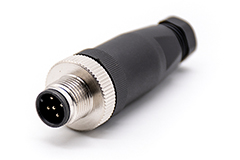
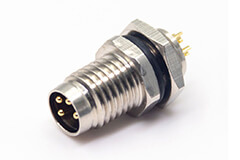
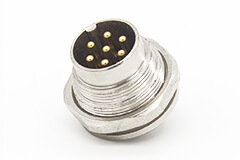
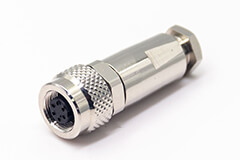
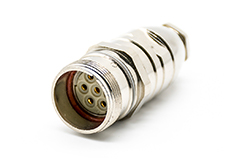
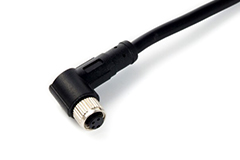
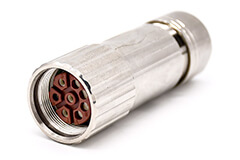
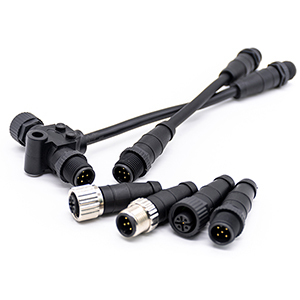
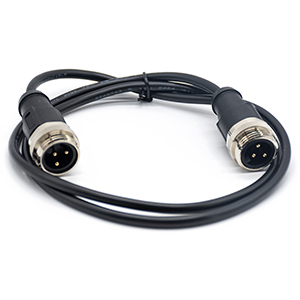
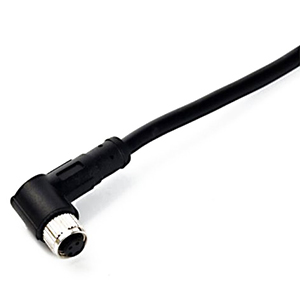
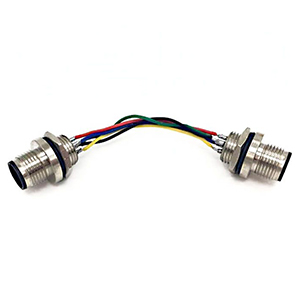
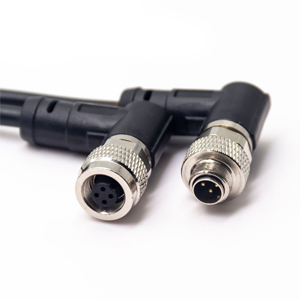
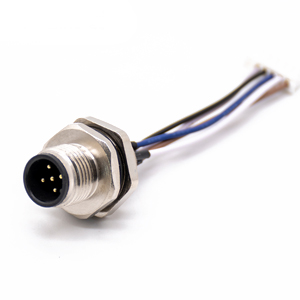
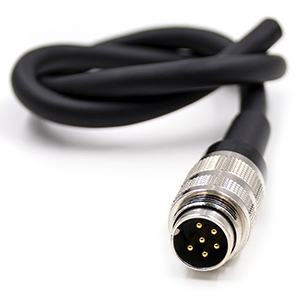
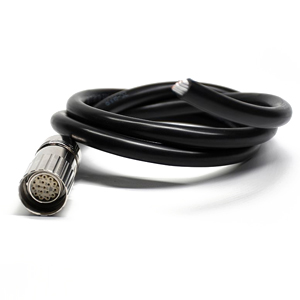
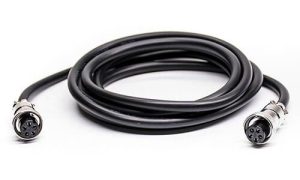
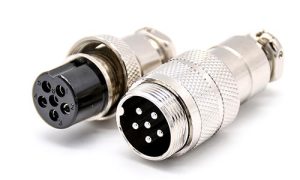
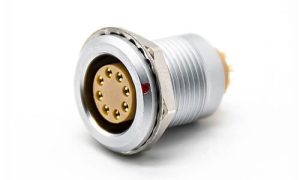
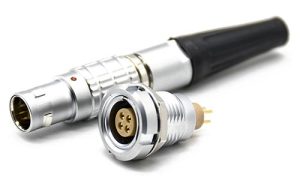
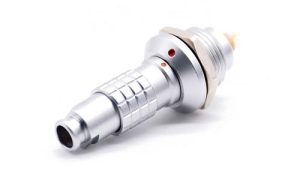
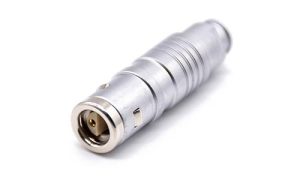
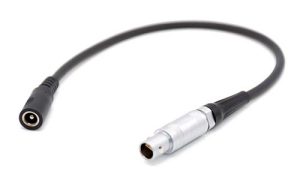
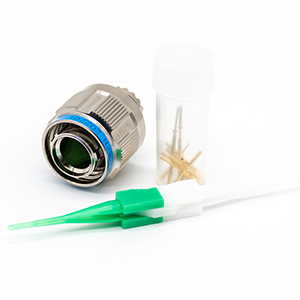
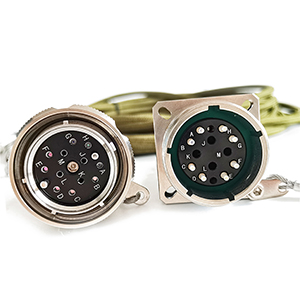
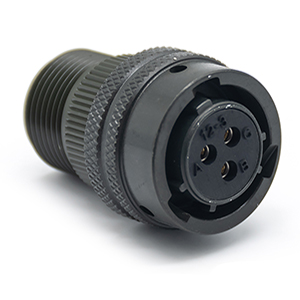
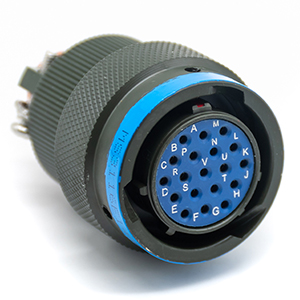
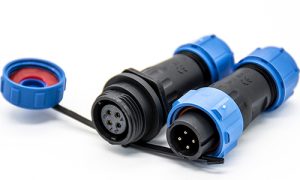
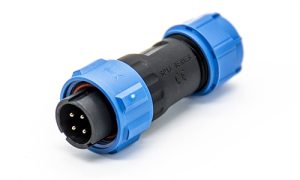
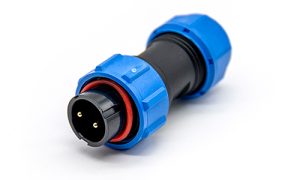
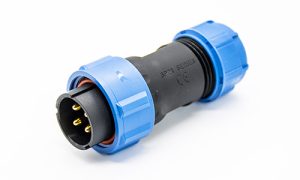
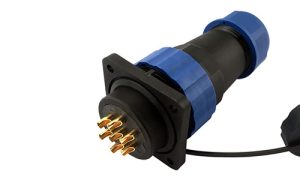
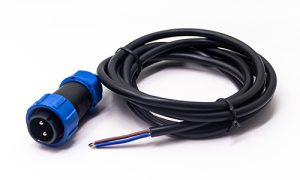
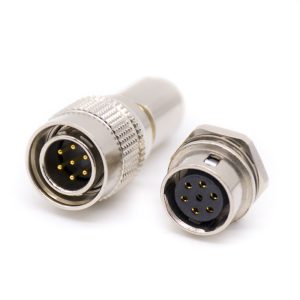
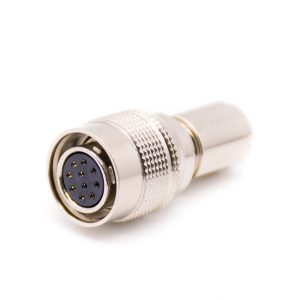
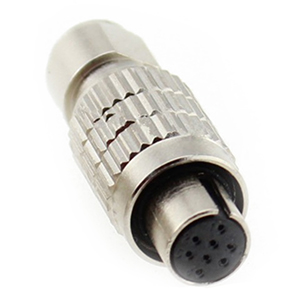
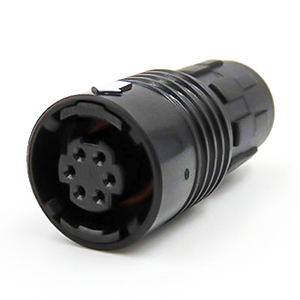
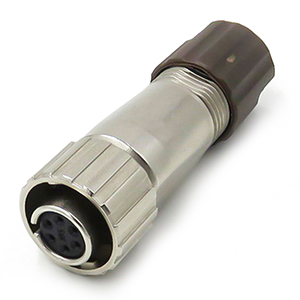
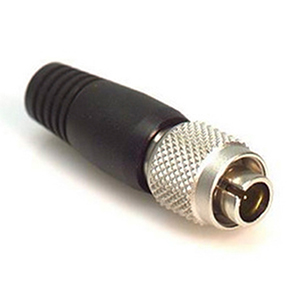
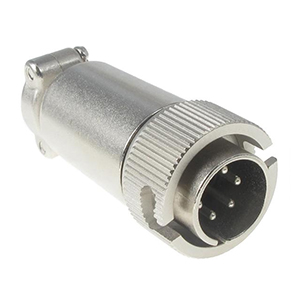
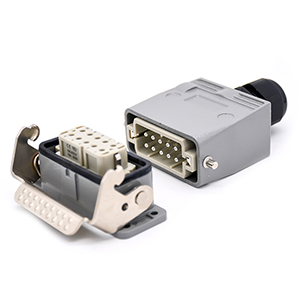
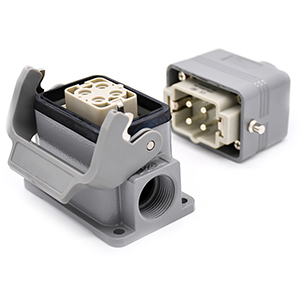
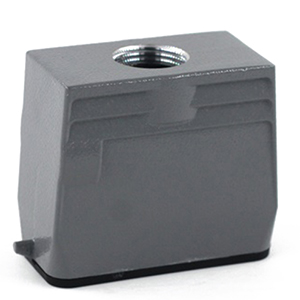
M Series Connectors
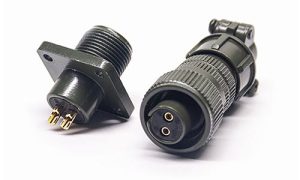
Are lightweight triplestart ratchet coupling type connectors designed for avionics, aerospace, Harsh Environment Connectors, security, motorsport and heavy duty applications.

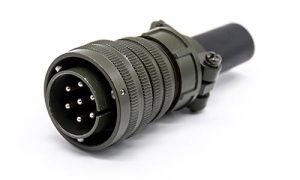
The MIL-DTL-26482 (also known as the MIL-C-26482) standard describes a family of high-density, environmentally sealed, circular connectors featuring a quick-disconnect bayonet coupling system. Originally designed for military applications, these connectors have become a global benchmark for reliability in harsh industrial environments. They are favored for their compact size relative to the number of contacts they can house, making them ideal for weight-sensitive applications like avionics and portable field equipment.
Whether you are looking for the ruggedness required by the Department of Defense or the cost-efficiency needed for industrial automation, understanding the nuances of the 26482 standard is critical. These connectors utilize a three-point bayonet coupling mechanism that ensures a positive lock with an audible, tactile, and visual indication, preventing accidental decoupling under high vibration.

The most frequent point of confusion for engineers is the choice between Series 1 and Series 2. While they share the same mating interface (the “footprint”), they are not internally identical and are often used for different performance tiers.
Series 1 is the most common version in general industrial applications. It is characterized by its versatility in termination. It supports both solder and crimp contacts and is typically governed by standards such as MS3110, MS3111, MS3112, MS3114, MS3116 and MS3119.
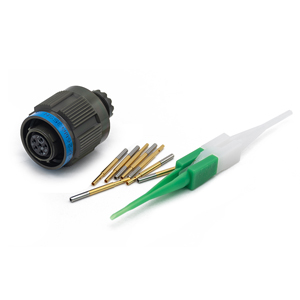
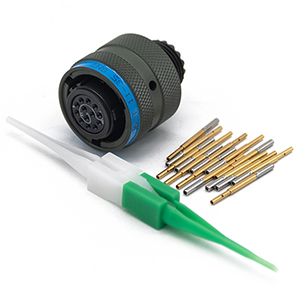
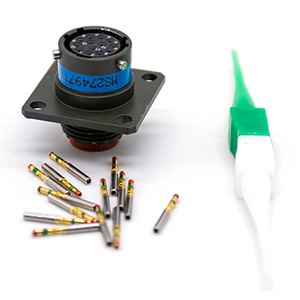
Series 2 (governed by MS3470, MS3471, MS3474, MS3475, and MS3476) was developed to provide higher environmental resistance and easier maintenance. It features a rear-release contact system and uses a common “RFI” (Radio Frequency Interference) shielding finger design in many of its plug variants.
| Feature | Series 1 (Solder/Crimp) | Series 2 (Crimp Only) |
| Coupling | 3-point Bayonet | 3-point Bayonet |
| Contact Release | Front (Solder) / Front (Crimp) | Rear Release |
| Operating Temp | -55°C to +125°C | -55°C to +200°C |
| Sealing | Environmental | Improved Environmental / Fluid Resistant |
| Materials | Aluminum Alloy | Aluminum Alloy / Stainless Steel |


The environment dictates the series. If your application involves high-altitude flight or engine compartments where temperatures exceed 125°C, Series 2 is the mandatory choice due to its 200°C rating. Series 2 also offers better resistance to hydraulic fluids and lubricating oils (MIL-STD-810G compliance). For standard industrial automation, Series 1 provides a more cost-effective moisture-resistant solution.
This is a critical decision for your assembly line or field repair team:
MIL-DTL-26482 offers shell sizes ranging from 8 to 24. Within these shells, you can have as few as 2 contacts or as many as 61.

The robustness of these connectors makes them a staple in several high-stakes industries:

Understanding the alphanumeric code on a connector is vital for accurate procurement. Most 26482 connectors follow the Military Standard (MS) prefix.

Series
26482: MS 26482 Harsh Environment Connectors
Shell Style
3110: wall mounting receptacle
3111: cable connecting plug
3112: Box mounting receptacle
3114: Jam Nut mounting receptacle
3115: Dummy receptacle
3116: Straight plug
3119: Thru-bulkhead receptacle
Class
A: Genneral duty, threaded back shell
E: Environmental without Clamp (Except on MS3112)
F: Grommet seal with strain relief
J: Environmental with Clamp and Cable Jacket Gland Seal (MS3116 only)
P: Potting seal
Shell Size
8,10,12,14,16,18,20,22,24
Contact Type
P–Pin contact
S-Socket contact
C-Feedthrough contact (only for)
Keying/Position (Optional): N (Normal), W, X, Y, or Z to prevent cross-mating of similar connectors.
Finish
No Code: Olive drab cadmium plate finish as standard
F: Electroless Nickel
Z3: Black over Zinc plating(RoHS)
A4: Black over Anodize
N: Nickel plating


Q1: Can MIL-DTL-26482 Series 1 and Series 2 mate with each other?
No. Although they share the same bayonet layout and might look identical on the outside, their internal construction and contact depths differ. Attempting to mate them can damage the contacts or fail to create an environmental seal.
Q2: What are the common plating options?
The standard is Olive Drab Cadmium for maximum corrosion resistance (500-hour salt spray). However, for RoHS compliance, Electroless Nickel or Black Zinc Nickel are now the preferred alternatives in industrial sectors.
Q3: Which series is better for high-vibration environments?
Series 2 is generally superior. Its rear-release contact system and tighter internal tolerances make it more resilient against contact fretting and signal interruptions during intense vibration.
Q4: Is MIL-DTL-26482 the same as Amphenol PT series?
Essentially, yes. The Amphenol PT series is the commercial equivalent of the MIL-DTL-26482 Series 1. While PT connectors often meet or exceed military specs, always check if your contract specifically requires the “MS” certified part.
Need technical assistance or a bulk quote for MIL-DTL-26482 connectors? Our engineering team specializes in both Series 1 and Series 2 solutions, including custom cable overmolding and specialized plating.
Tel: 0086-027-8129636, 0086-18086610187
Email: [email protected]

Sharing insights on connectors and real-world applications.
Contact for datasheets, samples, or inquiries.