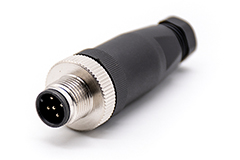
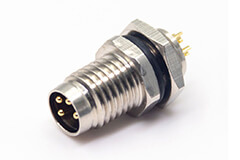
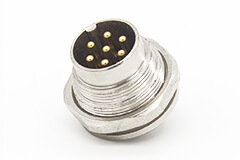
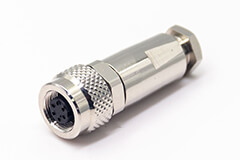
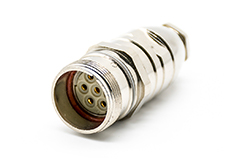
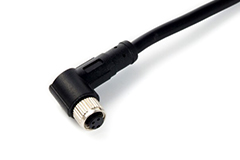
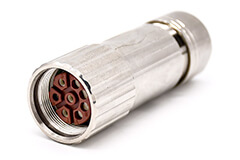
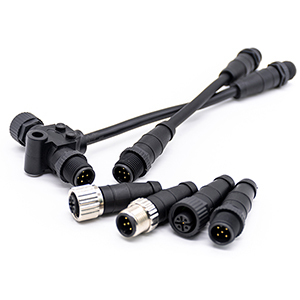
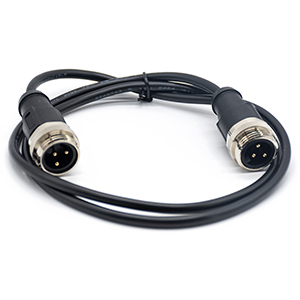
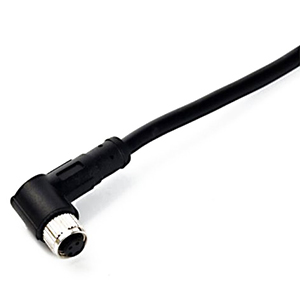
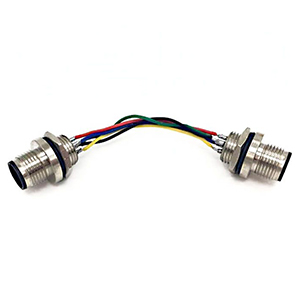
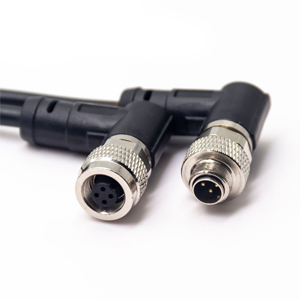
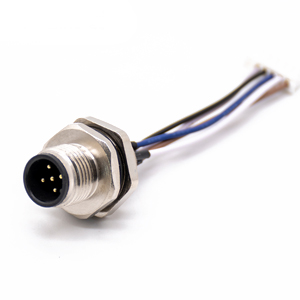
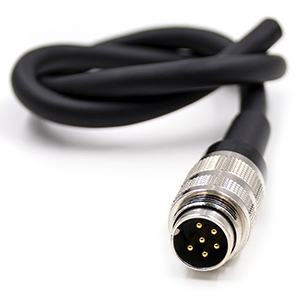
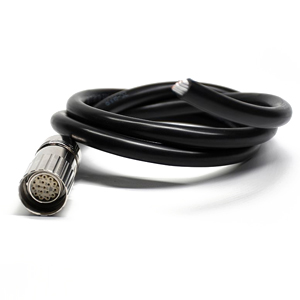
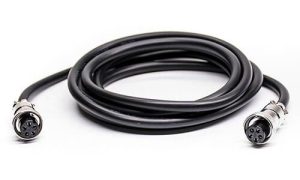
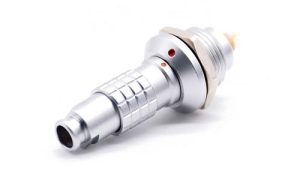
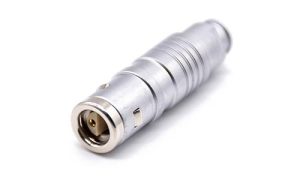
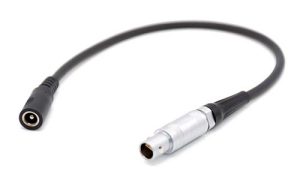
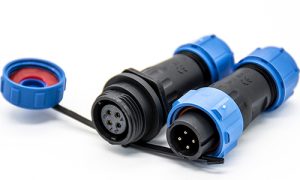
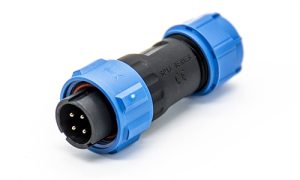
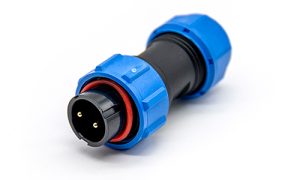
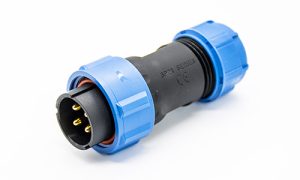
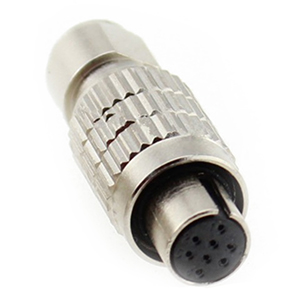
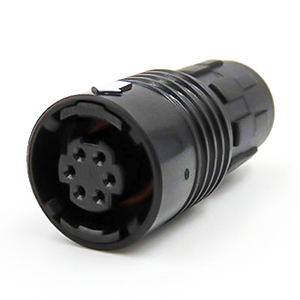
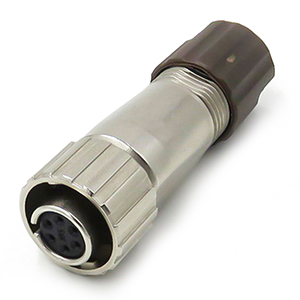
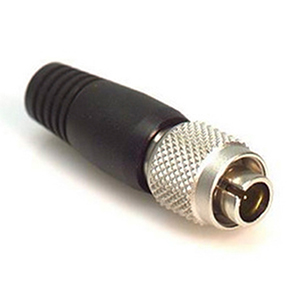
M Series Connectors
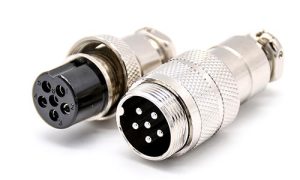
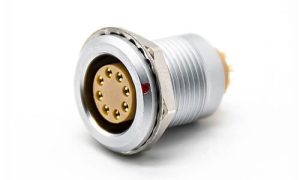
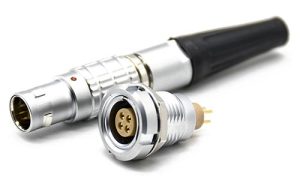
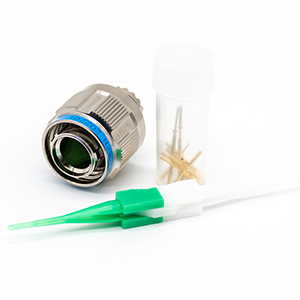
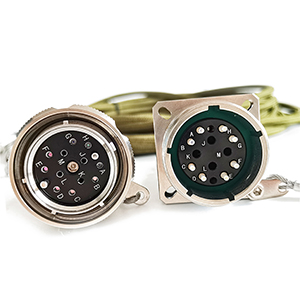
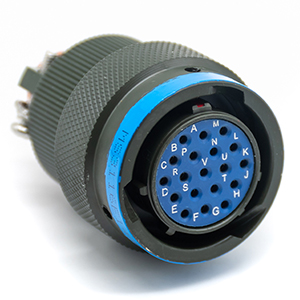
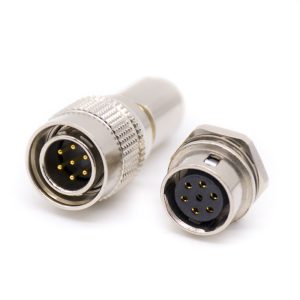
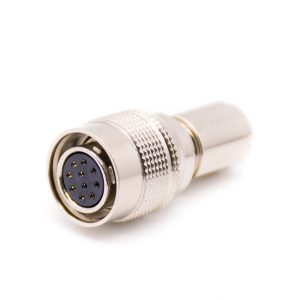
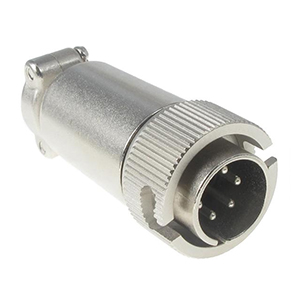
Are lightweight triplestart ratchet coupling type connectors designed for avionics, aerospace, Harsh Environment Connectors, security, motorsport and heavy duty applications.

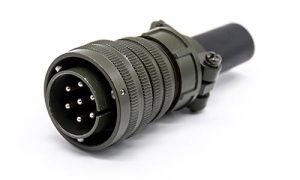
The MIL-DTL-5015 standard (formerly MIL-C-5015) represents one of the most versatile and widely utilized series of circular connectors in industrial and military history. Known for their ruggedness, threaded coupling, and electrical reliability, MS5015 connectors are the backbone of heavy machinery, telecommunications, and aerospace ground support. However, for many procurement specialists and junior engineers, the alphanumeric nomenclature—specifically the distinction between MS3106 and MS3102—can be a source of confusion.
Selecting the wrong component not only leads to assembly delays but can compromise the environmental sealing of an entire system. This guide provides a deep dive into the structural differences, technical specifications (including MS3102E and MS3106F variants), and mating logic required to build a reliable interconnect solution.


In the world of MS5015 connectors, the primary distinction between MS3106 and MS3102 lies in their mechanical role within the circuit: one moves, and one stays fixed.
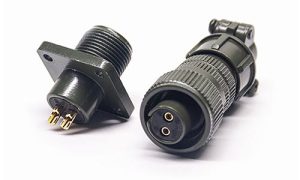
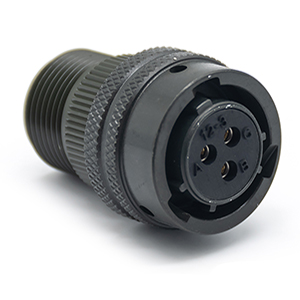
The MS3106 is a straight plug designed primarily for cable-end termination. Its defining feature is the internal-threaded coupling nut. This nut is rotated to engage with the external threads of a mating receptacle, pulling the two components together to form a secure, vibration-resistant connection.
Key characteristics of the MS3106 include:
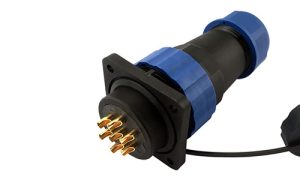
The MS3102 is a square-flange, box-mounting receptacle. Unlike the plug, it is designed to be permanently mounted to a bulkhead, panel, or equipment enclosure. It features four mounting holes on the flange and external threads that receive the MS3106 coupling nut.
Key characteristics of the MS3102 include:
To better understand how these two components differ, we must look at their physical attributes and installation requirements.
| Feature | MS3106 (Straight Plug) | MS3102 (Box Receptacle) |
| Primary Use | Cable termination (Moving end) | Panel/Chassis mount (Fixed end) |
| Coupling Mechanism | Internal threaded coupling nut | External threads on the shell |
| Mounting Style | Free-hanging / In-line | Square flange with 4 mounting holes |
| Rear Threads | Includes threads for backshells/clamps | No rear threads (Standard) |
| Environmental Class | Often F, E, or R for cable sealing | Typically A, C, or E (Front seal only) |
| Mating Partner | MS3100, MS3101, or MS3102 | MS3106 or MS3108 |
Understanding the “Class” and “Insert Arrangement” is critical for ensuring environmental protection and electrical compatibility.
The letter following the four-digit code (e.g., MS3106F) denotes the connector’s ability to withstand harsh conditions.
The numbers following the class indicate the shell size and the specific pin configuration. Let’s analyze two common examples:


The choice between an ms 3106 and an ms 3102 is dictated by the system architecture.
Follow this three-step checklist to ensure your selection is correct:

Yes. In fact, this is the most common mating pair in the MS5015 series. The MS3106 provides the coupling nut, and the MS3102 provides the fixed threaded interface.
“10SL” is the shell size (Short, Low profile). “4” is the specific contact layout, and “S” indicates Socket (female) contacts. The “F” signifies it includes an environmental grommet and cable clamp.
MS3102A is a “General Duty” connector with no internal sealing grommet, suitable for non-environmental applications. MS3102E is “Environmental” and includes a grommet to seal against moisture and dust (MIL-DTL-5015 Standard).
It is called a box mount because it lacks rear threads for backshells or cable clamps. It is designed to be mounted to a “box” where the wires are protected inside the enclosure.
Always select the “F” or “R” class (e.g., MS3106F). These classes include a rubber grommet that compresses around the wire jacket when the backshell is tightened, preventing water ingress.
If you still have any questions about the differences between MS3106 and MS3102, or need customized cable components for the MS3106e 14s 2s model, please feel free to contact our engineering team [email protected] at any time. We provide professional technical consultation and highly competitive pricing.

Sharing insights on connectors and real-world applications.
Contact for datasheets, samples, or inquiries.