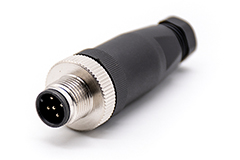
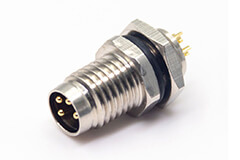
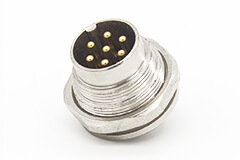
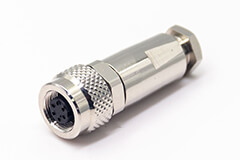
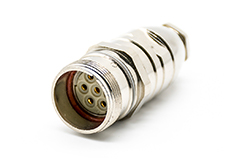
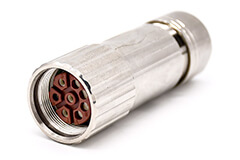
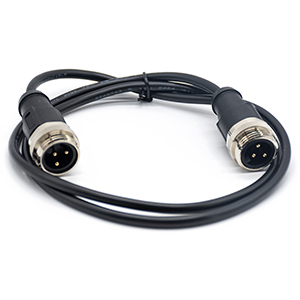
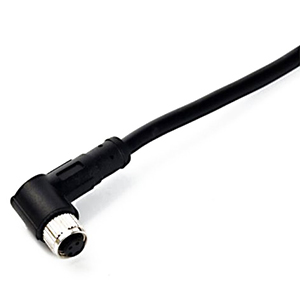
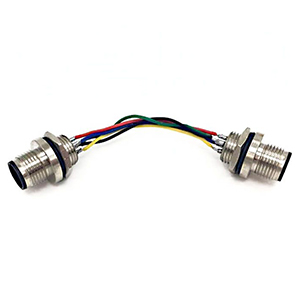
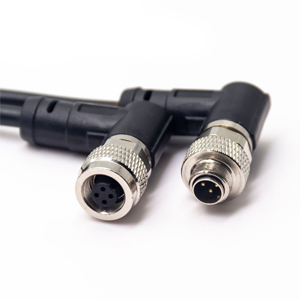
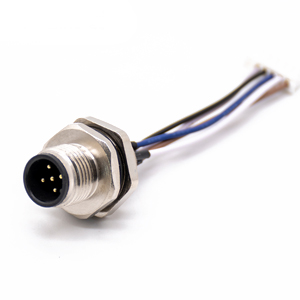
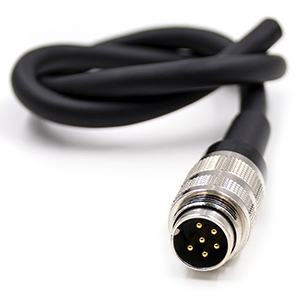
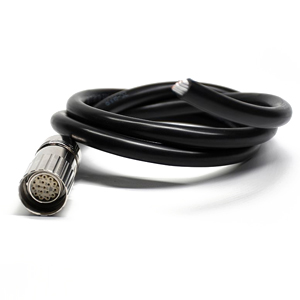
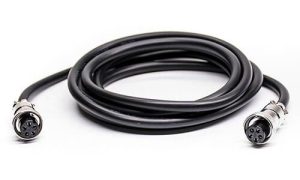
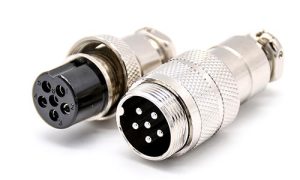
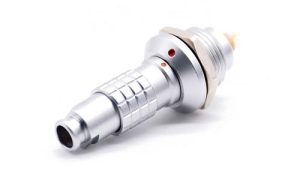
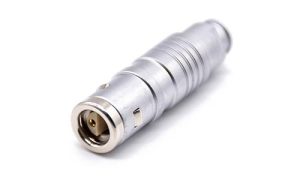
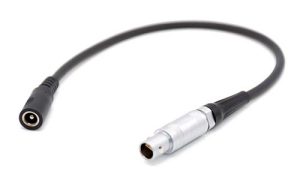
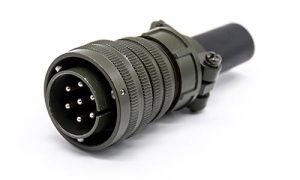
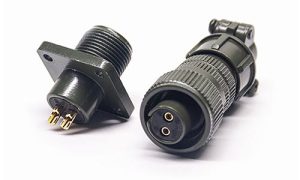
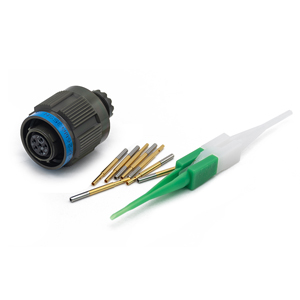
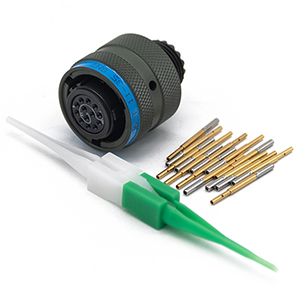
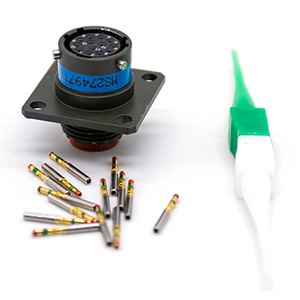
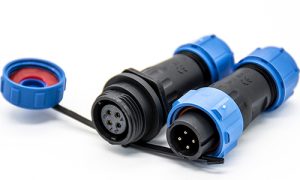
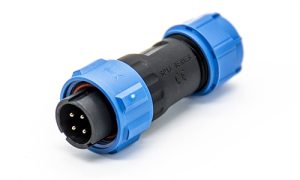
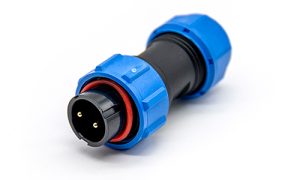
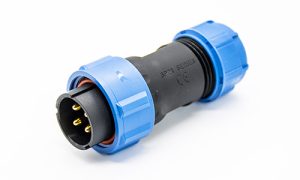
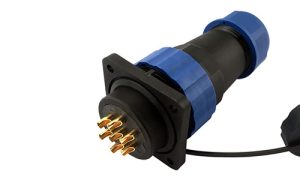
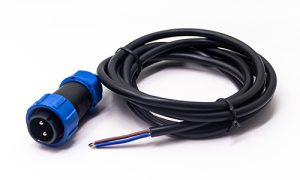
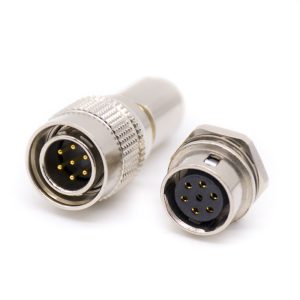
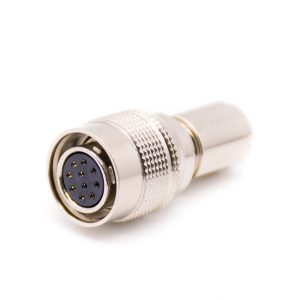
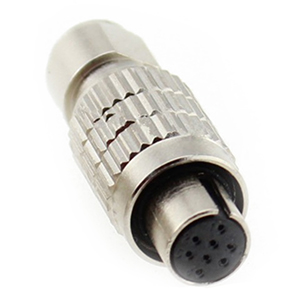
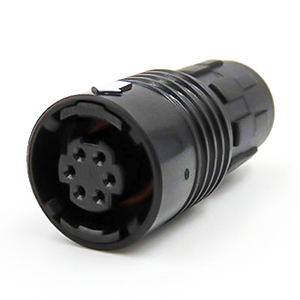
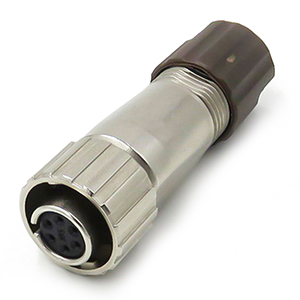
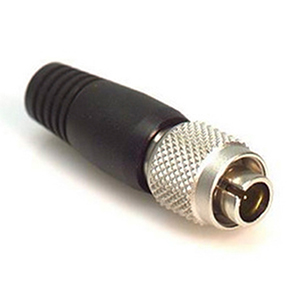
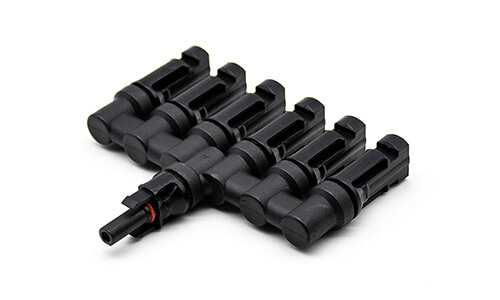
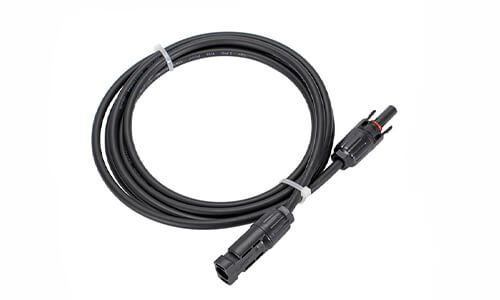
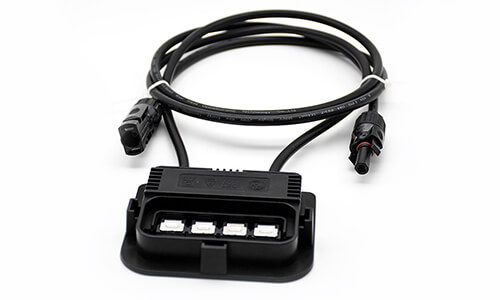
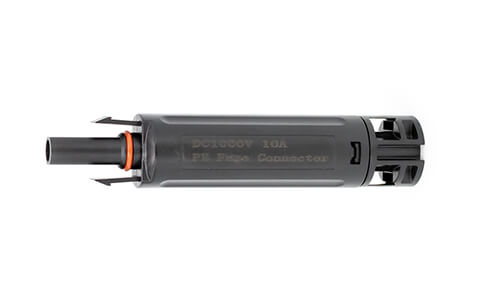
M Series Connectors
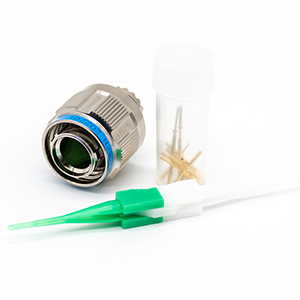
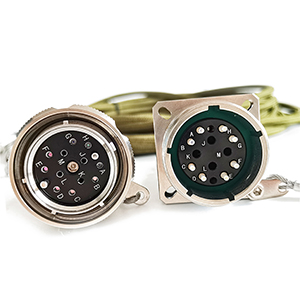
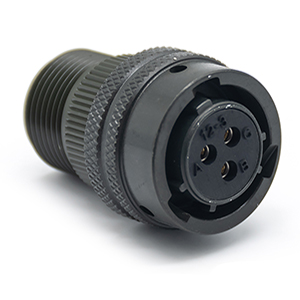
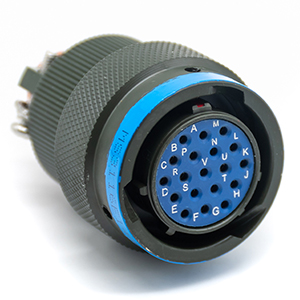
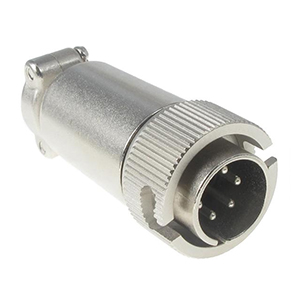
Are lightweight triplestart ratchet coupling type connectors designed for avionics, aerospace, Harsh Environment Connectors, security, motorsport and heavy duty applications.

In the realm of mission-critical electronics, the choice of a connector is never “just a detail.” It is the bridge between power and performance. Among the most trusted designs in the world is the self-latching push-pull connector—pioneered and popularized by Lemo. When designing a system, one of the first crossroads an engineer faces is choosing the pin count.
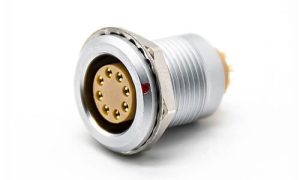
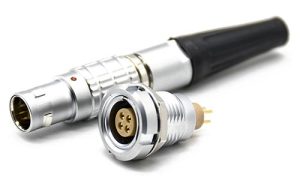
Specifically, the 2 pin lemo connector and the 4 pin lemo connector represent the foundational building blocks of modern instrumentation. Both 2 pin and 4 pin LEMO connectors share the same push-pull locking principle and mechanical quality. The main difference lies in signal capacity and application scope.
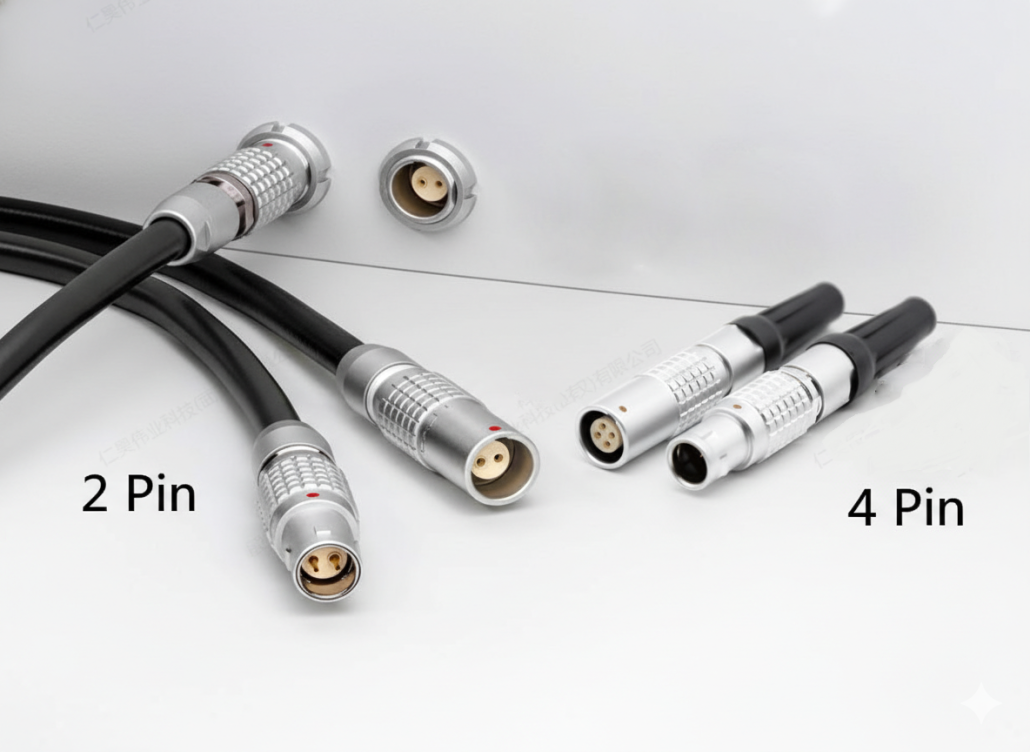
The 2 pin lemo connector is the workhorse of the power world. In a push-pull configuration, having only two pins allows for much larger contact diameters within the same shell size (such as the 0B or 1B series).
As systems become smarter, the demand for data increases. This is where the 4 pin lemo connector (often referred to as the lemo 4 pin connector) shines. It is designed for applications where power alone isn’t enough.
The following table compares typical values for a 1B series push-pull connector.
| Feature | 2 Pin Lemo Connector | 4 Pin Lemo Connector |
|---|---|---|
| Typical Pin Diameter | 1.3 mm – 1.6 mm | 0.7 mm – 0.9 mm |
| Max Current (per pin) | 10A – 15A | 2A – 7A |
| Rated Voltage (AC/DC) | 250V+ | 150V – 200V |
| Contact Resistance | < 3.5 mΩ | < 5.0 mΩ |
| Wire Gauge (AWG) | 18 – 20 AWG | 22 – 26 AWG |
| Primary Use Case | DC Power, Audio, Battery | Sensors, USB 2.0, RS232 |
Medical Devices
In the medical field, reliability is non-negotiable. A 2 pin lemo connector is frequently used for surgical power tools where a high-torque motor requires a steady, high-current flow. Conversely, a lemo 4 pin connector is found in patient monitoring systems, where two pins might power a sensor and two pins return the heart rate or SpO2 data.
Aerospace and Defense
Weight and space are at a premium. Using a 4 pin lemo connector to handle both power and communication for a drone’s gimbal camera saves the weight of an entire second connector and cable assembly.
Industrial Automation & Robotics
Robotic arms utilize the 2 pin lemo connector for heavy-duty actuator power. Meanwhile, the feedback sensors (encoders) that tell the robot its exact position rely on the multi-channel capability of the 4-pin variant to prevent signal crosstalk.
When deciding between these two, ask yourself these three questions:
If your device draws more than 7 amps, the 2 pin lemo connector is likely the safer, more thermally efficient choice.
If you are transmitting sensitive data, you need the extra pins of the 4 pin lemo connector for shielding or differential pairs.
If you only have room for one port but need both power and data, the 4-pin configuration is your only viable path.
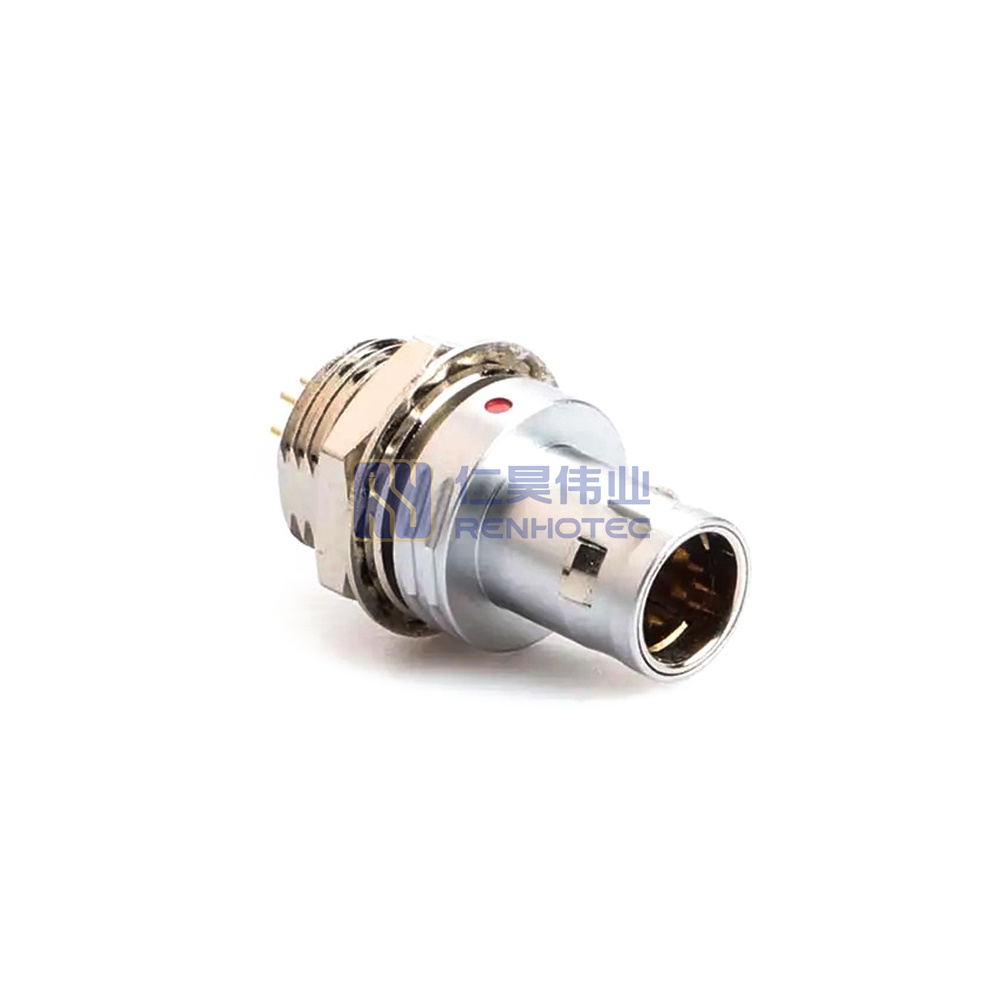
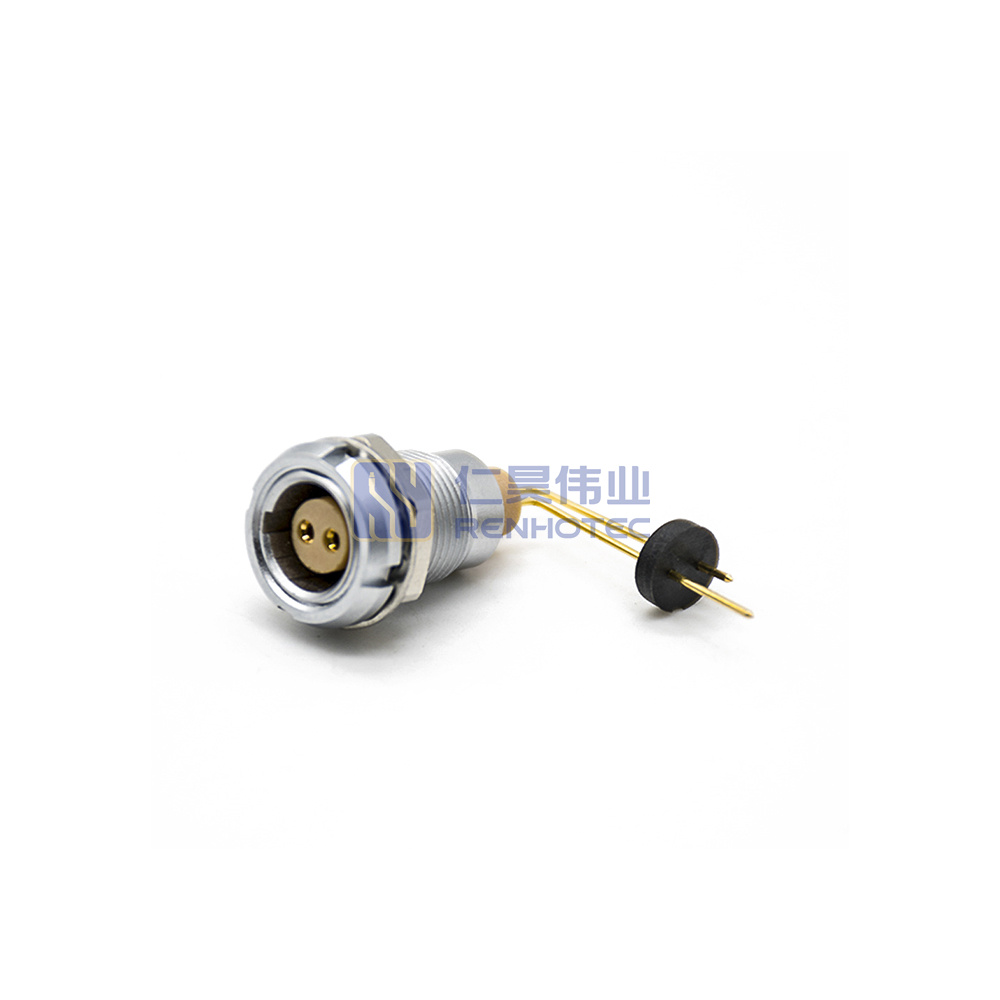
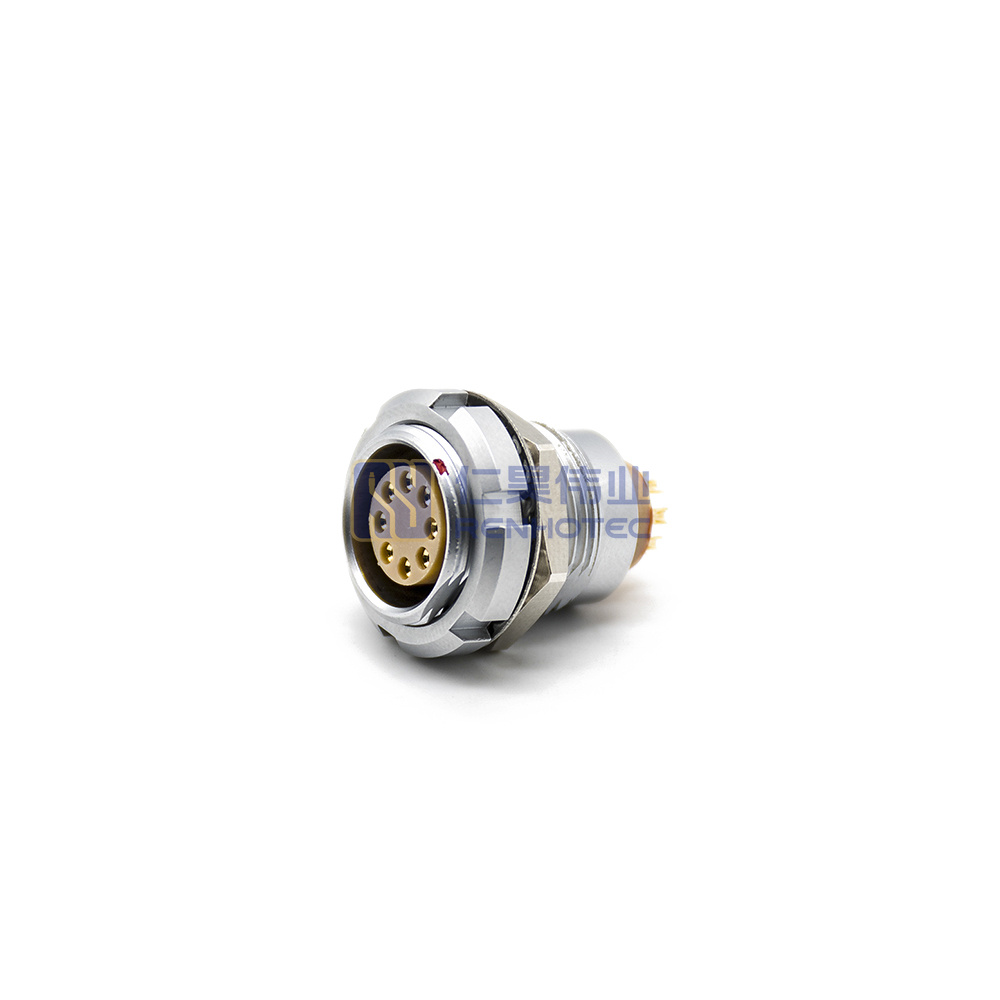

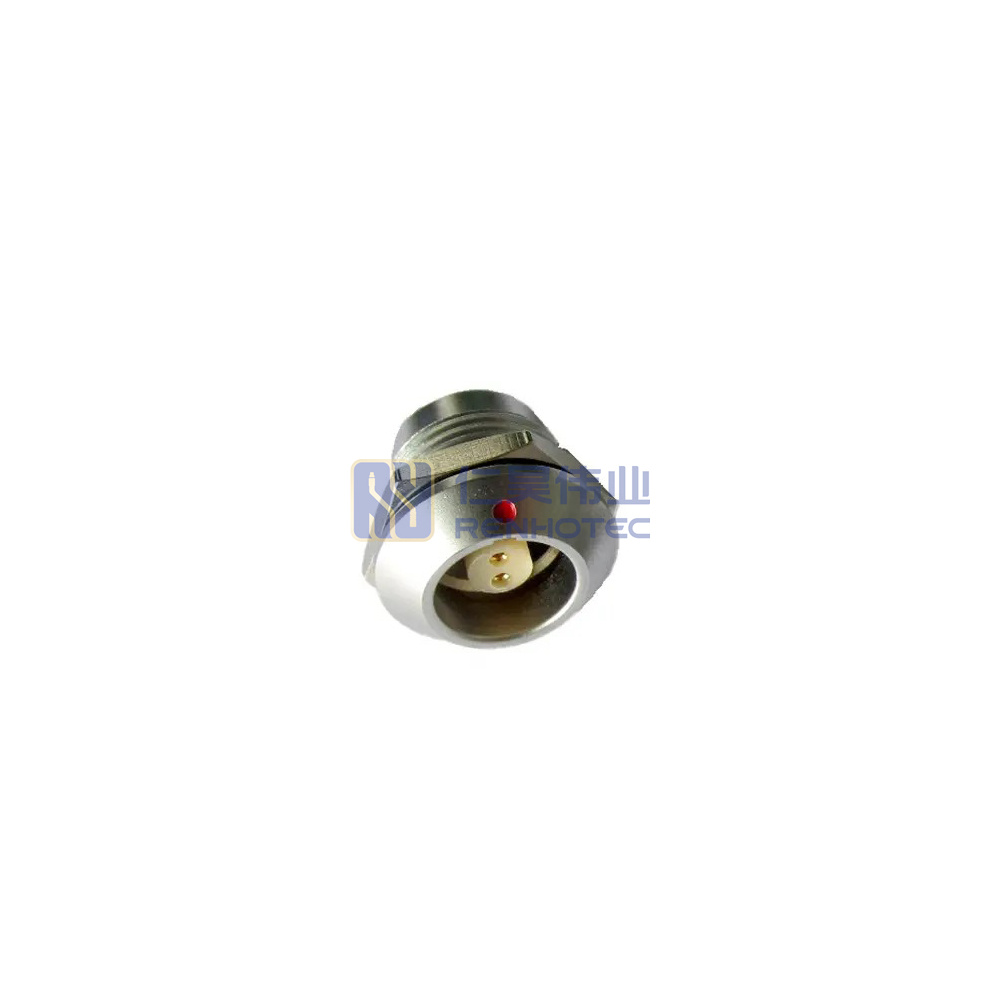

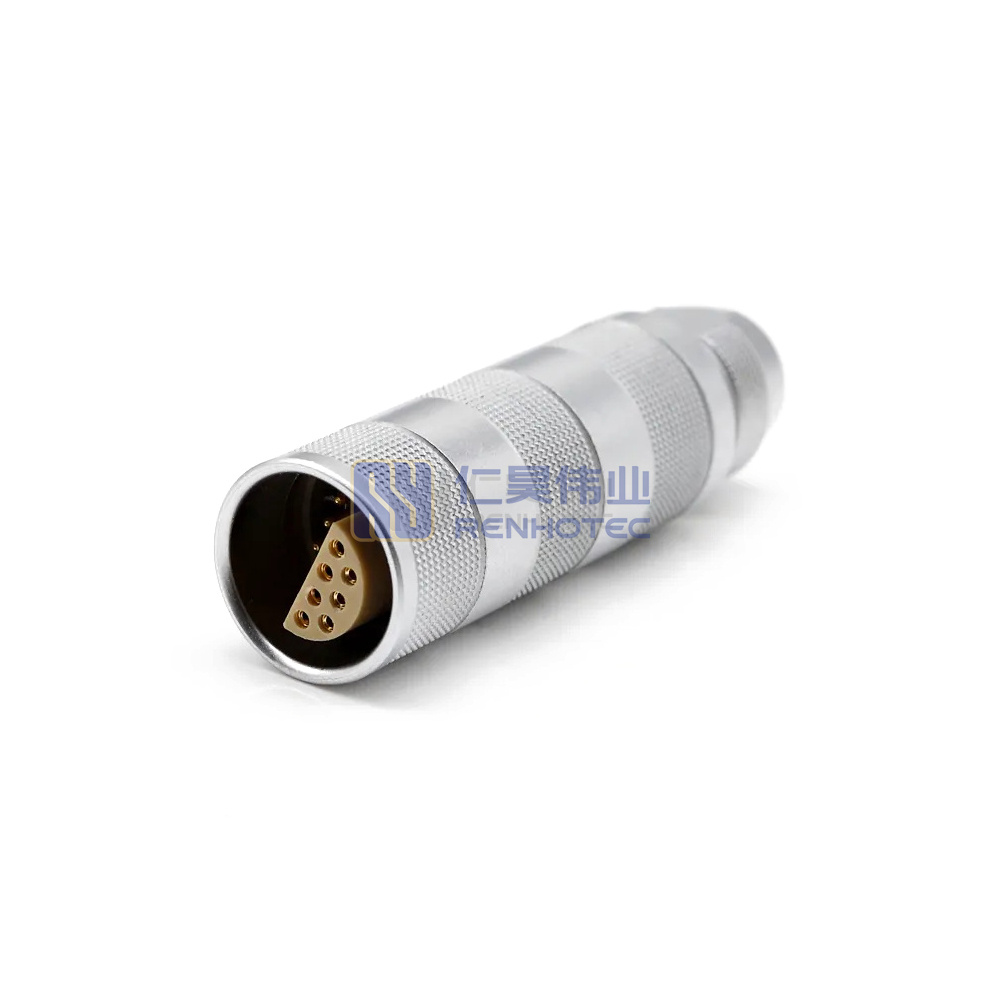
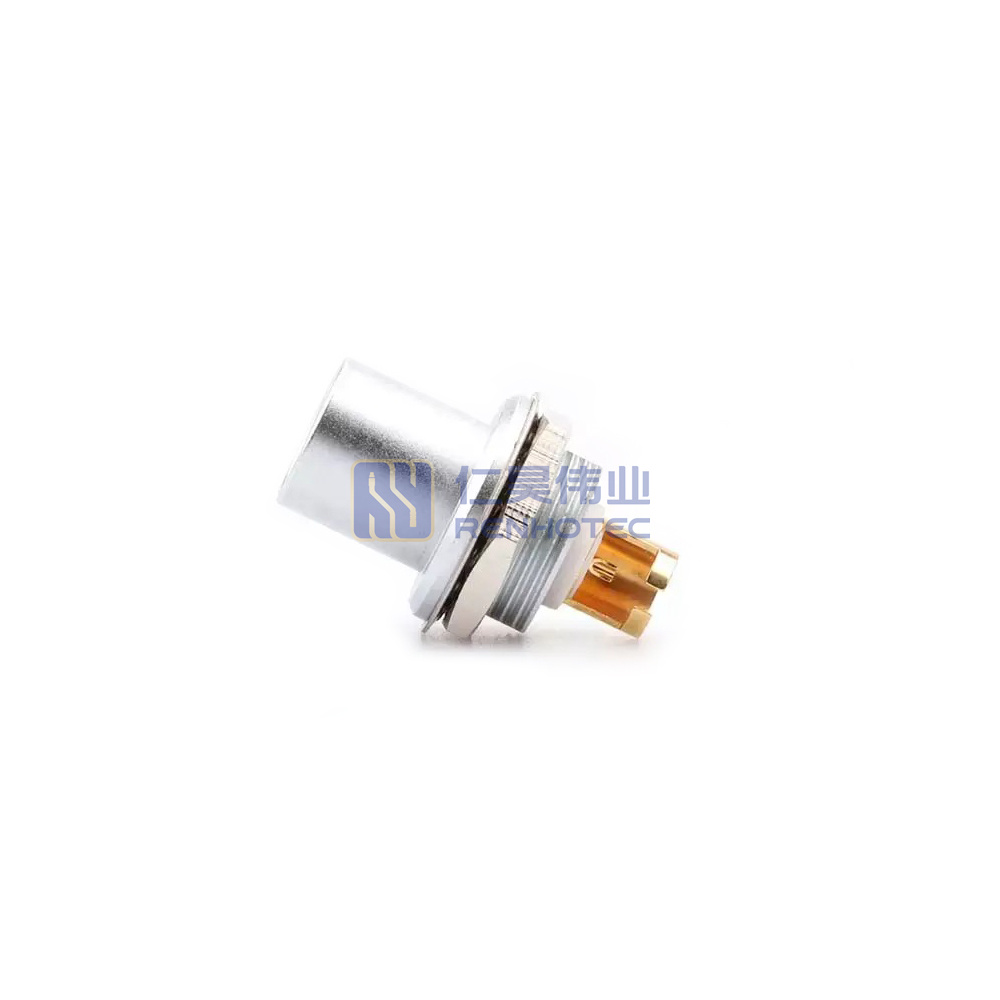
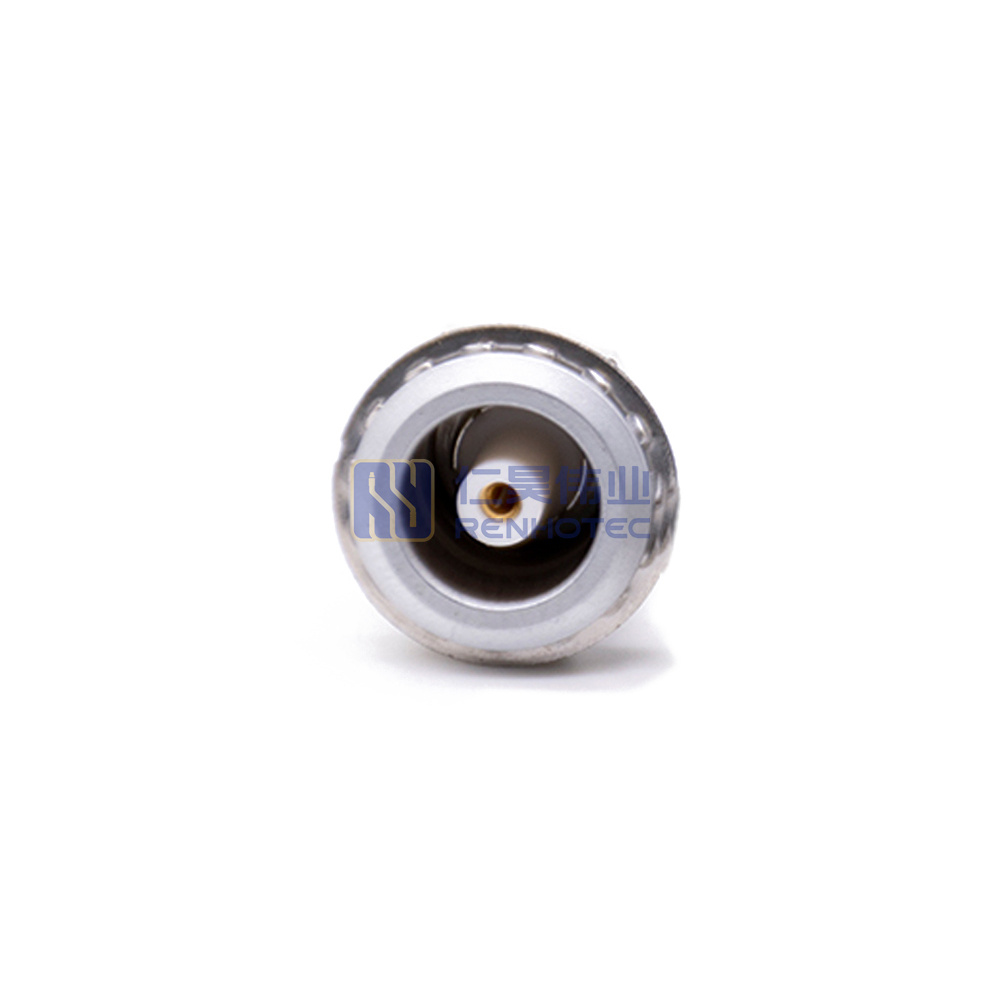
Each series supports both 2 pin and 4 pin layouts with consistent mechanical quality.
Technically, yes. You can bridge pins or leave two unused. However, remember that 4-pin connectors use thinner pins, so you must ensure the current draw doesn’t exceed the lower rating of the 4-pin design.
No. Lemo-style connectors are keyed (using G, A, B, etc., keys) to prevent accidental mismating. A 2-pin plug will not physically fit into a 4-pin socket.
Speed and safety. The push-pull mechanism allows for blind mating and ensures the connection cannot be broken by pulling on the cable; it only releases when the outer sleeve is retracted.
The cost difference is usually negligible for the connector itself. The real cost difference lies in the cable assembly and the number of conductors in the wire.
Whether you need the high-current capacity of a 2 pin lemo connector or the versatile signaling of a 4 pin lemo connector, Renhotec provides a wide variety of precision-engineered Push-Pull Connectors designed for durability and cost-effectiveness. We specialize in providing high-quality, Lemo-compatible solutions with rapid lead times.

As a Product Manager at Renhotec Group (est. 2008), I specialize in providing deep technical insights into connectors, cables, and custom electronic components. Renhotec is a global leader in interconnect solutions, dedicated to manufacturing high-standard products for diverse industries as your trusted technical partner.