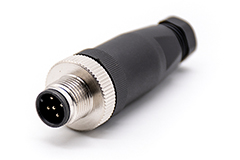
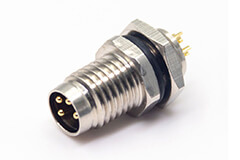
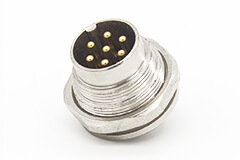
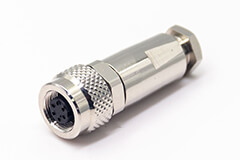
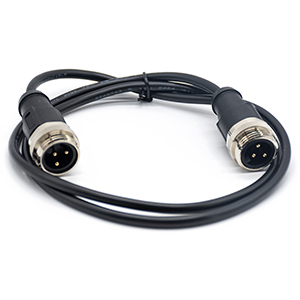
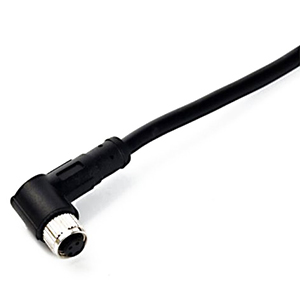
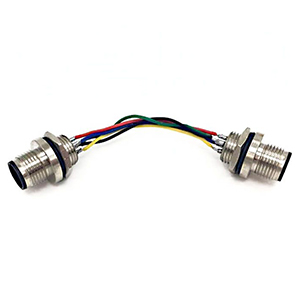
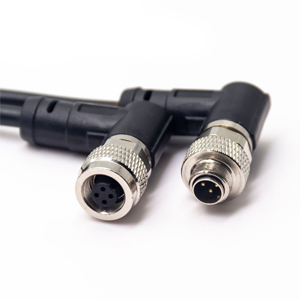
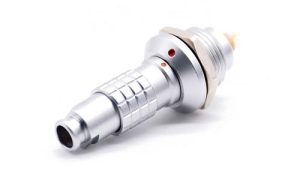
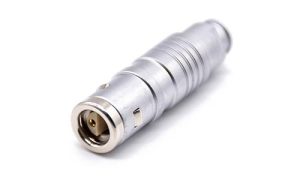
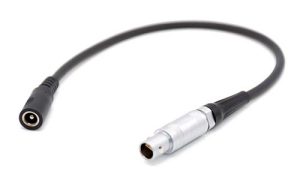
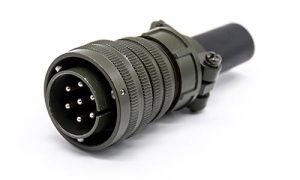
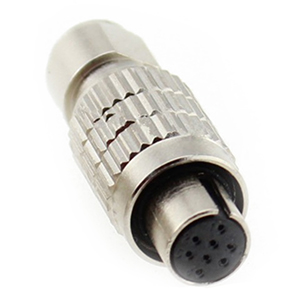
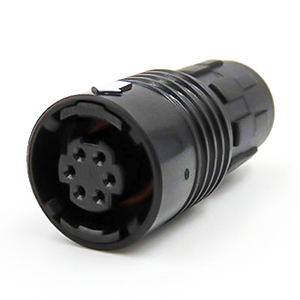
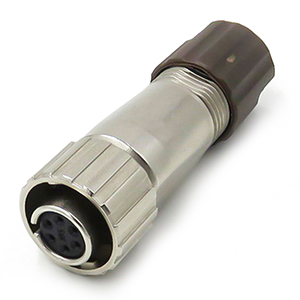
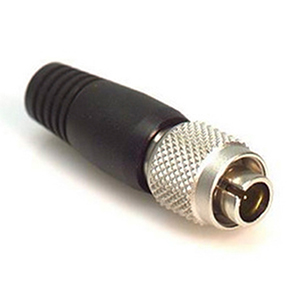
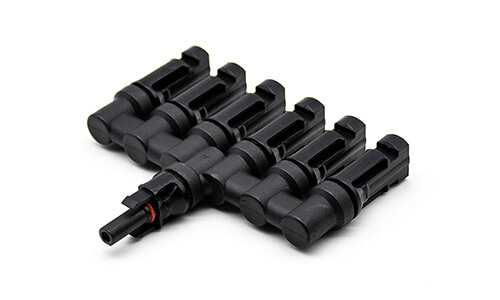
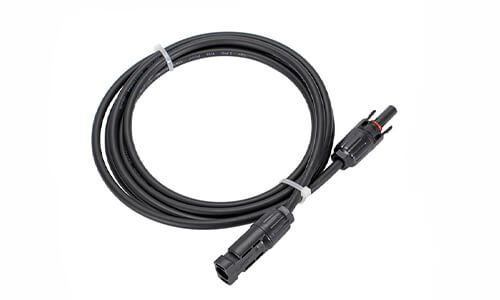
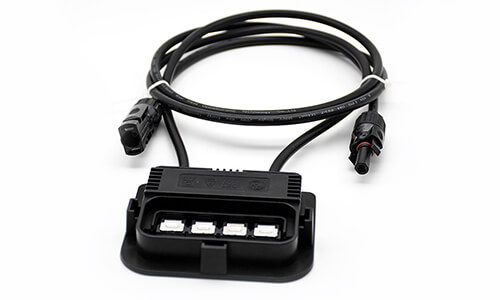
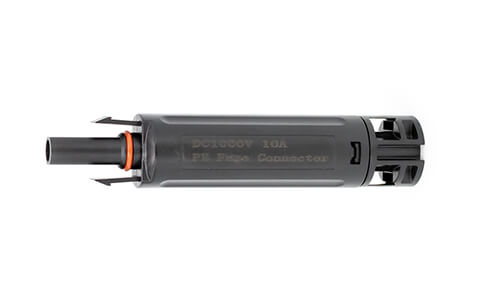
M Series Connectors
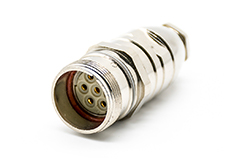
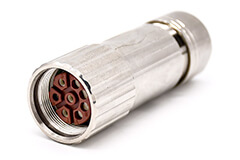
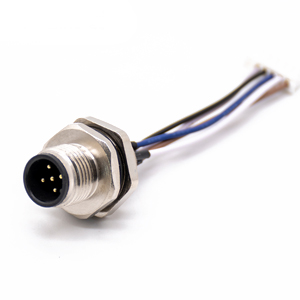
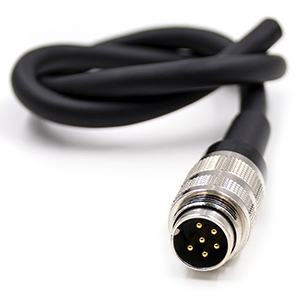
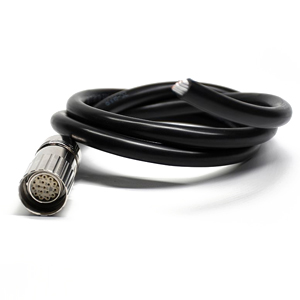
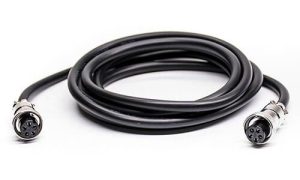
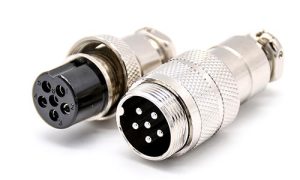
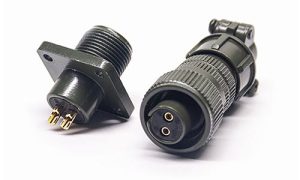
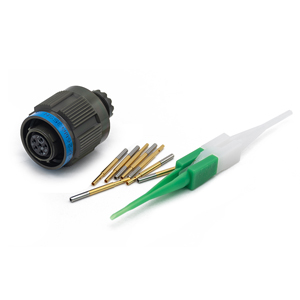
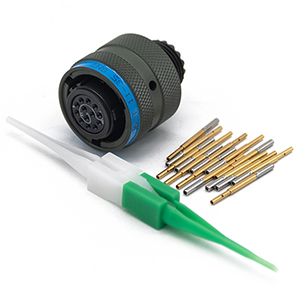
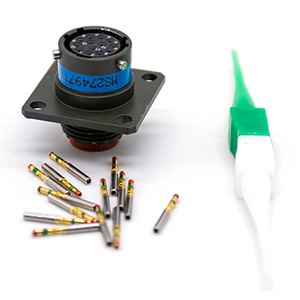
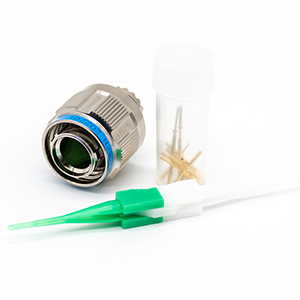
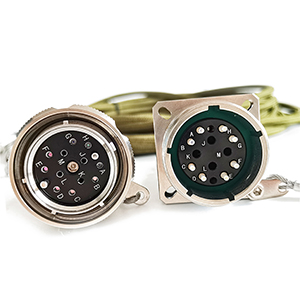
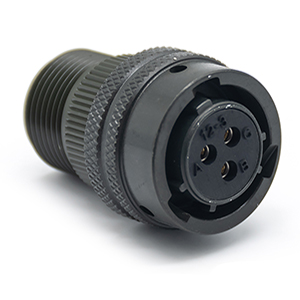
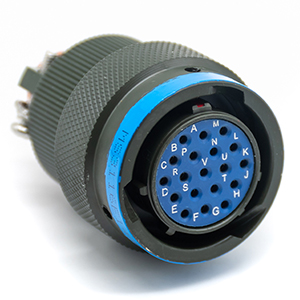
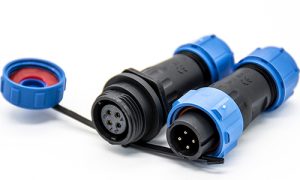
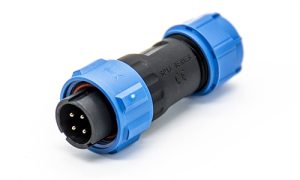
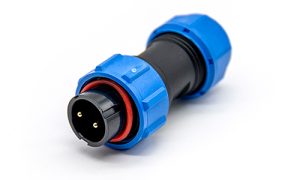
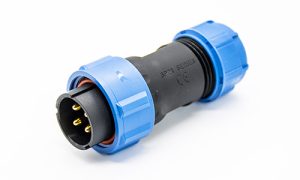
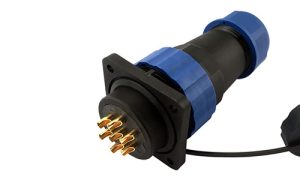
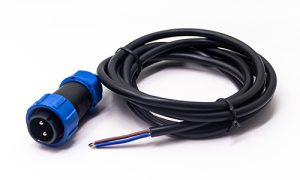
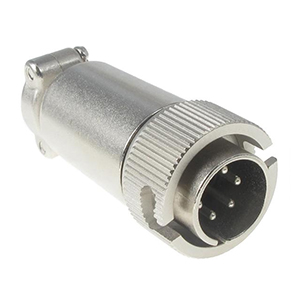
Are lightweight triplestart ratchet coupling type connectors designed for avionics, aerospace, Harsh Environment Connectors, security, motorsport and heavy duty applications.

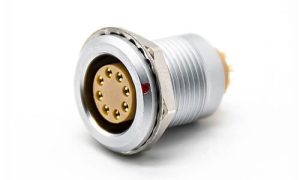
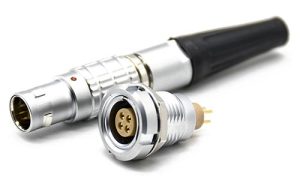
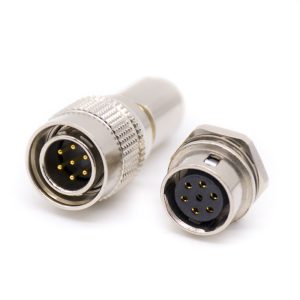
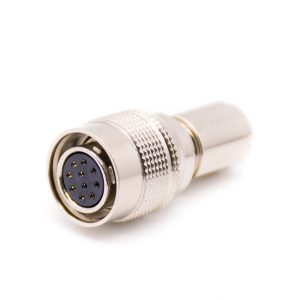
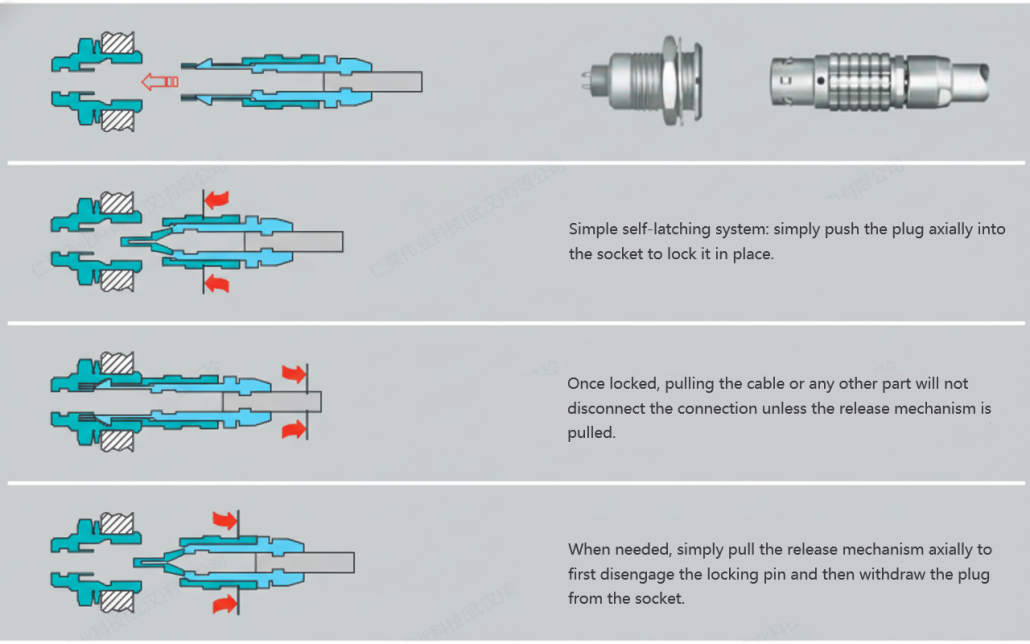
The push-pull connector is an innovative type of connector that possesses distinct characteristics. Invented by LEMO, this cylindrical socket incorporates a certain degree of elasticity, enabling the connector to self-lock when pushed into place. It requires specific actions such as pulling, rotating, or other designated unlocking maneuvers to establish or disconnect the connection, ensuring prevention of accidental disengagement.
The push-pull circular connectors are available in various sizes, voltages, and pin configurations, along with different configuration options such as coaxial, triaxial, fluidic, and pneumatic. They find wide applications in medical devices and facilities, Harsh Environment Connectors vehicles and Harsh Environment equipment, instrumentation, as well as in applications that may entail catastrophic or hazardous consequences.
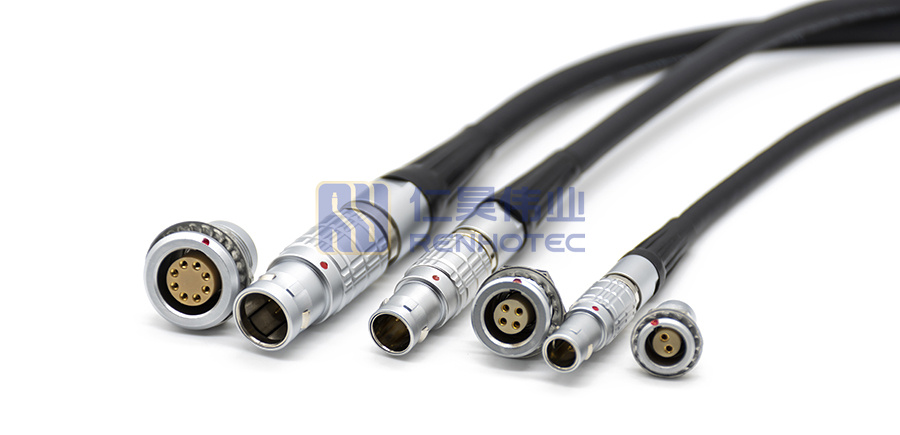
Typically manufactured from lightweight materials like plastic or metal, push-pull connectors offer high strength and durability, providing thousands of insertion and withdrawal cycles. With their built-in locking mechanisms, they contribute to the sleek and streamlined appearance of equipment.
Click to download the push-pull connector catalog
The core of a LEMO-style connector is its sophisticated locking design.
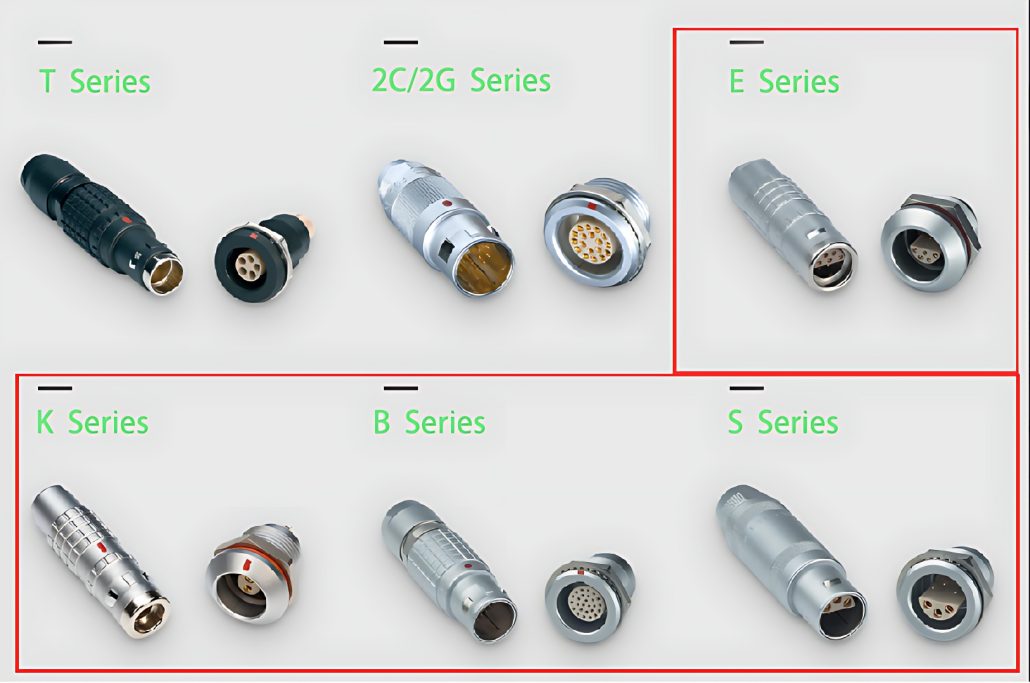
To choose the right push-pull circular connector, it is essential to understand the differences between the industry-standard series:
| Series | Environment | Protection | Key Features |
|---|---|---|---|
| B Series | Indoor/Dry | IP50 | The standard indoor series. High packing density for space-saving. |
| K Series | Outdoor/Rugged | IP66 – IP68 | Watertight and corrosion-resistant. Ideal for harsh environments. |
| S Series | Legacy/Special | IP50/IP68 | Features a “Half-moon” insert for easy alignment; compatible with older systems. |
| P Series | Medical/Light | IP50/IP64 | Plastic shell (REDEL style). Lightweight, ergonomic, and shock-proof. |
Most industrial-grade push-pull connectors are circular in shape and capable of accommodating complex cable assemblies. One economical method for manufacturing high-tolerance components is by machining round bar stock. Internal components such as contacts, insulators, gaskets, collets, and collet nuts are also typically circular in shape. These connectors are suitable for both indoor and harsh outdoor environments, featuring attributes such as waterproof ratings (such as IP68), dust resistance, vibration resistance, and impact resistance.
Push-pull connectors can have unique keying to restrict specific plug and socket combinations for mating. The design can use either standard or reverse polarity contacts, depending on which end of the cable the power supply is on. In metal connectors, the shielding layer runs through the housing, ensuring 360° continuity and providing EMI protection.
Modern push-pull connectors are highly customizable to meet complex electrical requirements:
EMI/RFI Shielding: 360° screening ensures signal integrity in environments with high electromagnetic interference, such as hospitals or data centers.
Contact Density: Available from 2 to 32 pins (multipole).
Hybrid Configurations: Supports Coaxial, Triaxial, Fluidic (Liquid), and Pneumatic (Air) inserts within a single housing.
Durability: Metal versions typically offer >5,000 mating cycles, while plastic versions provide >2,000 cycles.
Thanks to their reliability, these connectors are the first choice for:
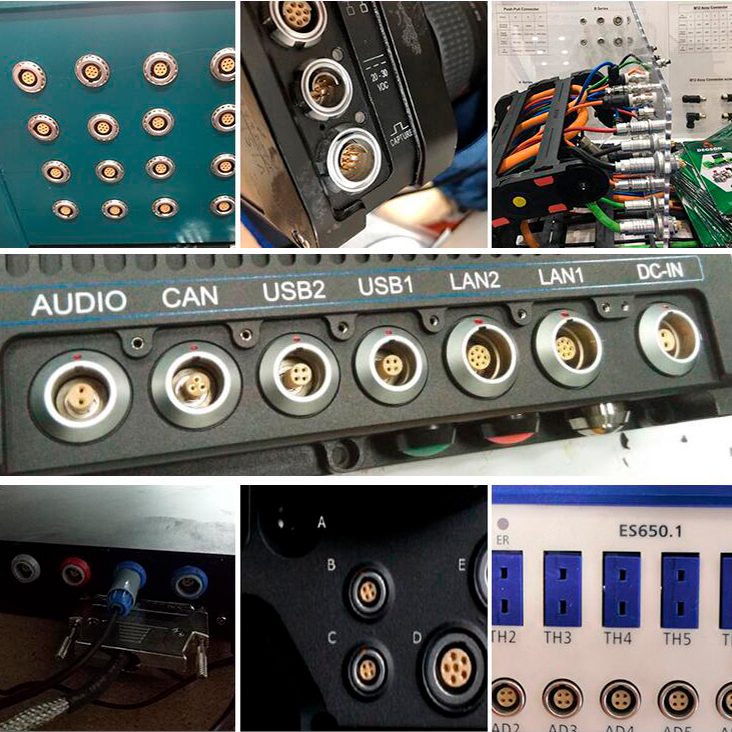
Selecting the ideal connector involves more than just matching the size. Based on industrial standards and the LEMO-compatible framework, here are the four critical factors to consider:
The environment dictates the Series and the IP Rating.
Don’t just look at the Pin Count (2 to 32 pins); consider the nature of the transmission:
Metal Shells: Best for high-vibration and frequent-use scenarios. Renhotec metal connectors support >5,000 mating cycles.
Plastic Shells: Best for weight-sensitive applications or single-use medical disposables (>2,000 mating cycles).
Keying & Polarization: Choose a specific keying (e.g., G, A, B…) to prevent accidental cross-mating when multiple similar connectors are used on the same panel.
In today’s supply chain, finding a LEMO equivalent can significantly reduce lead times and project costs.
What is the advantage of a 360° EMI shield?
It prevents signal noise, which is critical for medical imaging and high-speed data transmission.
Are Renhotec connectors compatible with LEMO?
Yes, our connectors are designed to be 100% intermateable with equivalent LEMO B, K, and S series.
As a leading manufacturer in the interconnect industry, Renhotec specializes in providing a comprehensive range of push-pull connectors that are fully compatible with LEMO’s B, K, S, and P series. We combine premium quality with exceptional cost-efficiency and short lead times to help your projects stay ahead.
Whether you need a standard replacement part or a fully customized cable assembly, our expert engineering team is here to help. Contact [email protected] anytime to request a formal quote, order samples, or get professional technical support. Let Renhotec be your trusted partner for seamless connectivity!

As an industry specialist at Renhotec Group, I have years of expertise in the field of electronic interconnection. Founded in 2008, Renhotec Group is a global leader in designing and manufacturing connectors, cables, and custom electronic components for a wide range of industries. We are committed to providing high-performance interconnect solutions, leveraging technical innovation and rigorous quality standards to empower global customers across industrial, RF, and EV sectors.