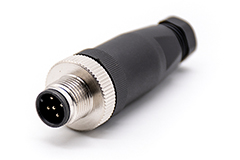
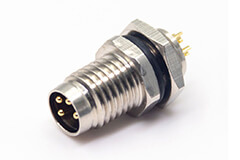
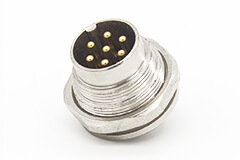
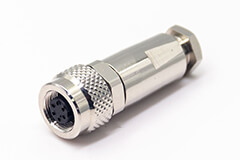
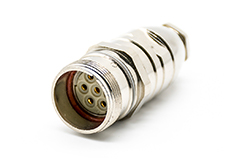
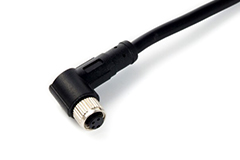
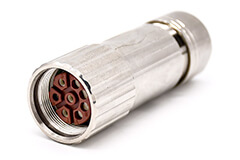
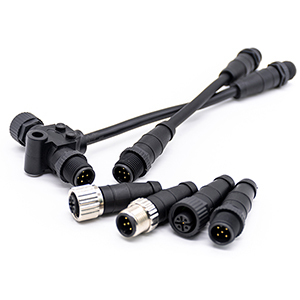
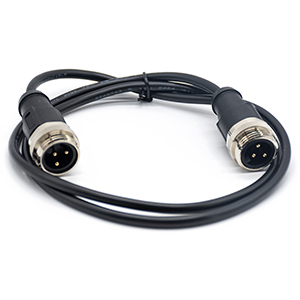
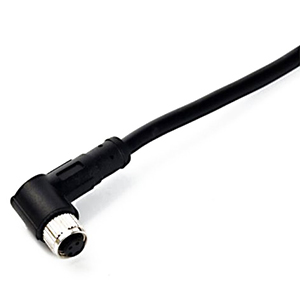
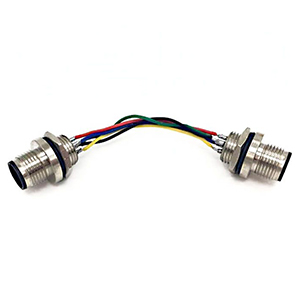
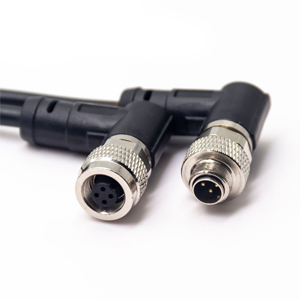
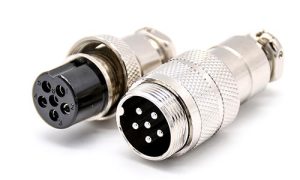
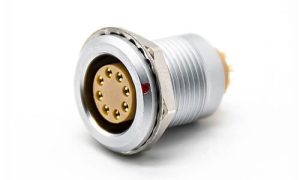
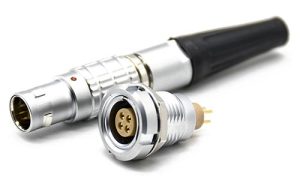
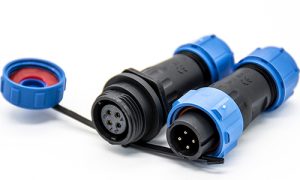
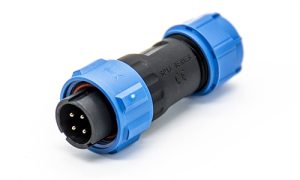
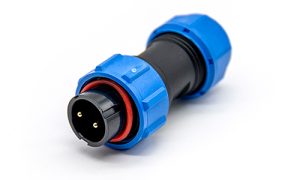
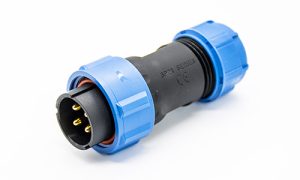
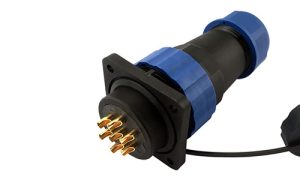
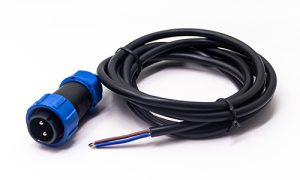
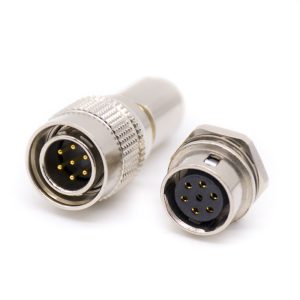
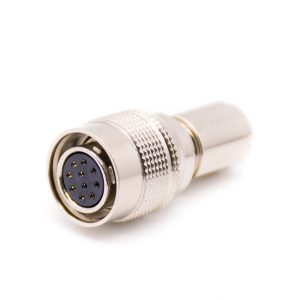
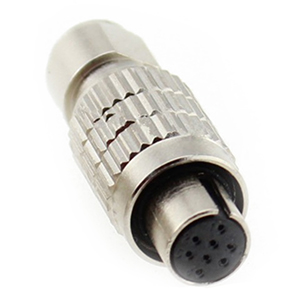
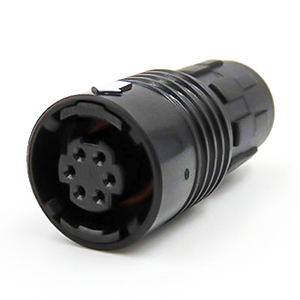
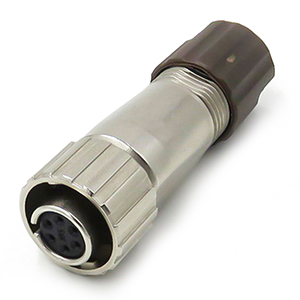
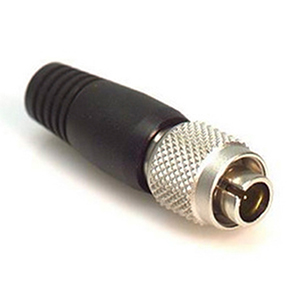
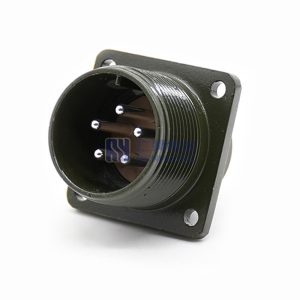
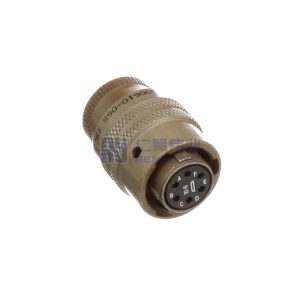
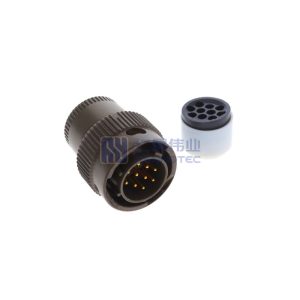
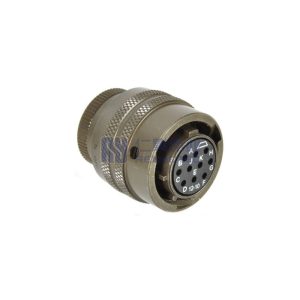
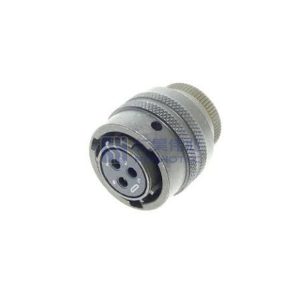
M Series Connectors
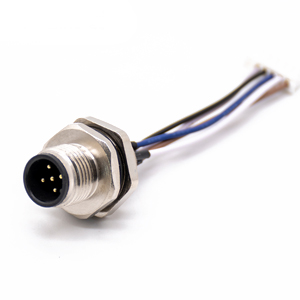
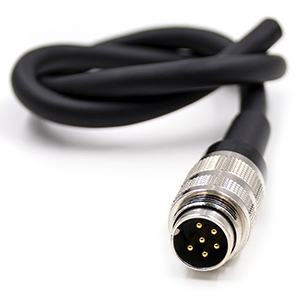
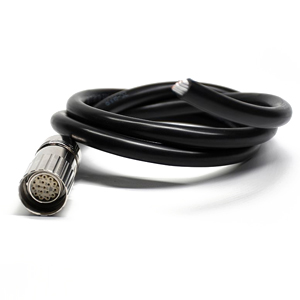
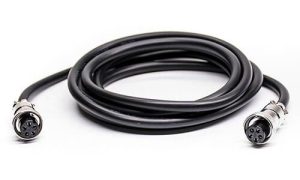
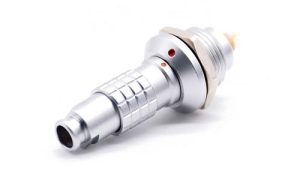
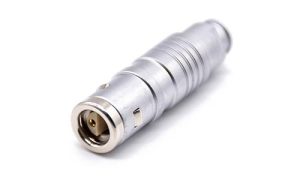
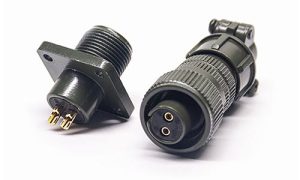
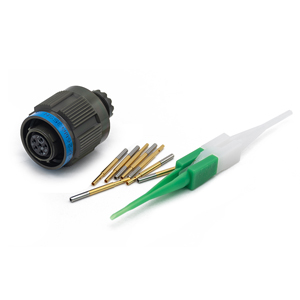
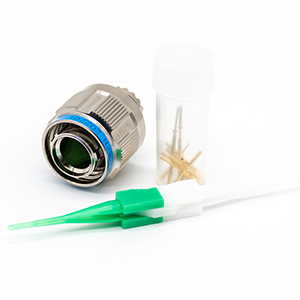
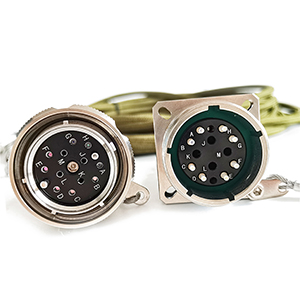
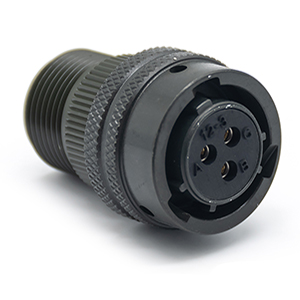
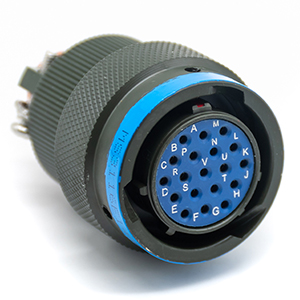
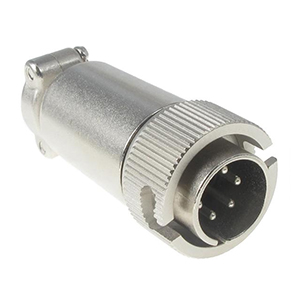
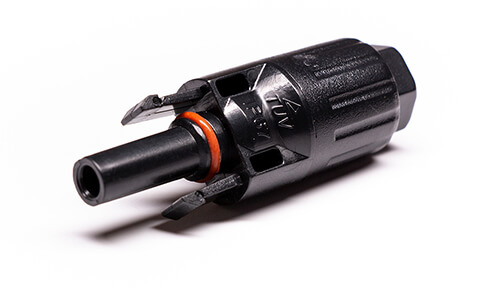
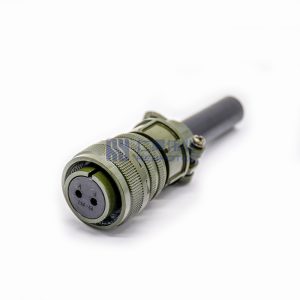
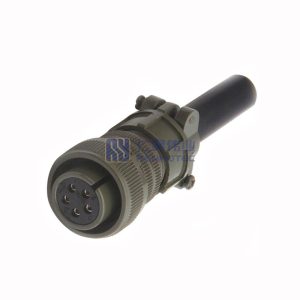
Are lightweight triplestart ratchet coupling type connectors designed for avionics, aerospace, Harsh Environment Connectors, security, motorsport and heavy duty applications.

In the demanding world of industrial and aerospace engineering, Mil-Spec (Military Standard) connectors act as the nervous system for critical machinery. They are engineered to perform where standard commercial connectors fail—withstanding extreme vibrations, moisture, and mechanical stress. However, engineers and procurement officers often face a dilemma when choosing between the two most prevalent standards: MIL-DTL-5015 and MIL-DTL-26482.
While both standards ensure robust power and signal transmission, they represent different design philosophies. One prioritizes heavy-duty power handling with a threaded lock, while the other focuses on compact density and quick-mating efficiency. Selecting the incorrect interface can lead to operational inefficiencies, such as mating difficulties in tight spaces or compromised sealing in vacuum environments.
This guide provides a structural breakdown of their specifications, housing styles, and core differences to facilitate an informed engineering decision.

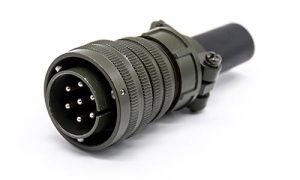
The MIL-DTL-5015 (formerly MIL-C-5015) is widely regarded as the “workhorse” of cylindrical connectors. Developed referencing the MS-C-5015 standard, it was originally designed for military aircraft but has since become the standard for rugged industrial applications.
The defining characteristic of the 5015 series is its Threaded Coupling mechanism.
Vibration Resistance: The fine threads allow the connector to be screwed tight, providing exceptional resistance to loosening caused by the low-frequency vibrations typical of heavy diesel engines or industrial motors.
Current Handling: These connectors are engineered to carry high currents. Their larger shell sizes accommodate thicker contact pins, making them indispensable for power distribution systems.
Material Compliance: Modern iterations produced by leading manufacturers meet RoHS certification, ensuring that despite their vintage design origin, they comply with contemporary environmental safety standards.
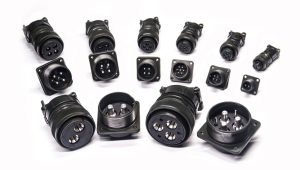
To accommodate various mounting geometries, the MS 5015 series is categorized into specific housing styles:
MS3100 (Wall Receptacle): Designed for permanent mounting on bulkheads or panels.
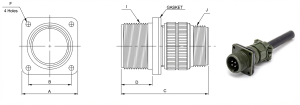
MS3101 (Cable Receptacle): Used for in-line cable extension connections.
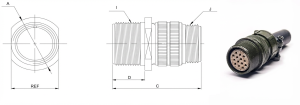
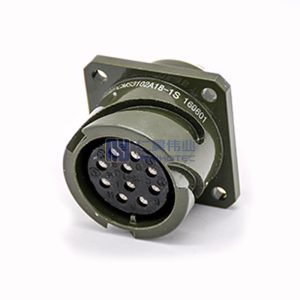
MS3102 (Box Mount Receptacle): A low-profile option for box enclosures.
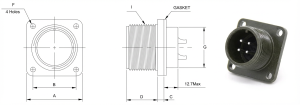
MS3106 (Straight Plug): The standard mating plug for cable ends.
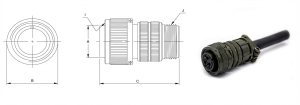
MS3108 (90° Angle Plug): Essential for space-constrained areas where cable routing requires a right-angle turn.
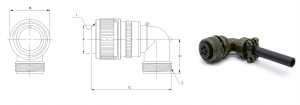
The MIL-DTL-26482 series represents a shift towards miniaturization and efficiency. It is a general-purpose, medium-density cylindrical connector family often found in advanced communications, vacuum chambers, and avionics.
Unlike the threaded 5015, the 26482 utilizes a Bayonet-Lock Coupling system.
Quick Mating: The 3-point bayonet lock allows for full mating with just a 1/3 turn of the coupling ring. This “Quick Disconnect” feature is vital for applications requiring frequent maintenance.
Hermetic Sealing: This standard is renowned for its environmental resilience. For applications in vacuum chambers, specific 26482 connectors are tested to maintain helium leak rates of less than 1 ×10⁻⁷ cc/second, ensuring the integrity of the vacuum environment.
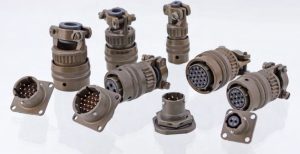
The standard is divided into two distinct series, which dictates their field serviceability:
Series I:
Contacts: Typically features solder contacts.
Scoop Proof: Many designs are “scoop proof,” meaning the shell is elongated to prevent the mating pins from accidentally scraping (and damaging) the contacts during “blind” mating.
Series II:
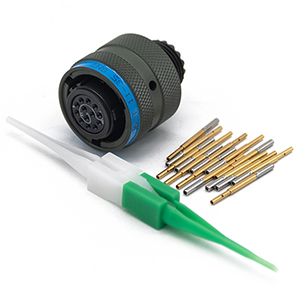
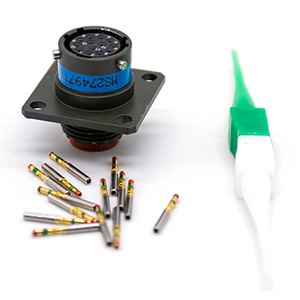
Contacts: Utilizes removable crimp contacts (front-release or rear-release).
Intermateability: Crucially, Series II connectors are often intermateable with equivalent Series I connectors, allowing for upgrades without replacing the entire infrastructure.
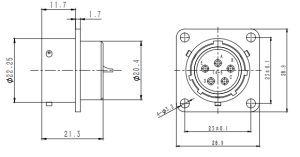
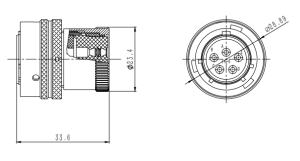
While both are “circular connectors,” their internal architecture serves different engineering goals.
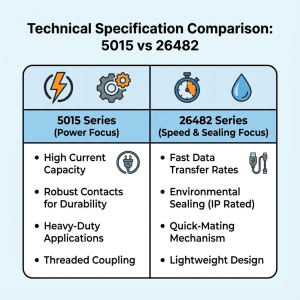
MIL-DTL-5015 relies on friction from threads. This is mechanically simple and incredibly robust against constant, low-frequency vibration (like a train engine). However, it requires time to unscrew. MIL-DTL-26482 offers positive locking with an audible “click.” This confirms the connection without guessing torque levels, making it superior for field technicians who need to work fast.
The 5015 series is the clear winner for raw power. Its design prioritizes larger gauge wires and pins to prevent overheating under high loads. The 26482 series prioritizes density. It allows you to carry more signal lines in a smaller footprint (shell size), making it ideal for modern electronics that require multiple data channels alongside moderate power.
Heavy Industry (5015): Used where dirt, oil, and rough handling are common. Examples: Robotics power supply, welding machines, earth movers.
Precision Environments (26482): Used where space is premium and air-tightness is critical. Examples: Vacuum instrumentation, tactical communications, aircraft sensors.
Selecting between these two standards requires analyzing three specific constraints of your project.
The primary filter is the amperage requirement. If your application involves driving large motors, generators, or main power feeds requiring high current (e.g., >20-50 Amps), MIL-DTL-5015 is the requisite choice. Its internal geometry is specifically optimized for heat dissipation and large-gauge conductors that MIL-DTL-26482 cannot accommodate effectively.
Consider the human element. Will the connector remain mated for years, or will it be disconnected daily for calibration or transport?
Static Connections: For permanent installations where the cable is rarely moved, the threaded 5015 adds security at a lower cost.
Active Connections: For test equipment or mobile units, the 26482’s bayonet lock drastically reduces operator fatigue and prevents “cross-threading” damage that can occur when screwing in connectors hurriedly.
For applications involving pressure differentials—specifically vacuum chambers—standard waterproofing is insufficient. You must select MIL-DTL-26482 connectors rated for helium leak tests. The design tolerances of the 26482 series lend themselves better to hermetic sealing technologies compared to the older MS-5015 general-purpose design.
Can I replace a 5015 connector with a 26482?
What does “Scoop Proof” mean in 26482 Series I?
Are Renhotec 5015 connectors compatible with other brands?
Find Your Ruggedized Military Connection Solution
Selecting the right circular connector is critical for ensuring reliability in demanding military, aerospace, and harsh industrial environments. Whether you require robust MIL-DTL-5015 connectors for ground support equipment and naval systems, or the compact, lightweight MIL-DTL-26482 connectors for avionics and armored vehicles, our engineering team possesses the expertise to meet stringent military standards and performance requirements.
Contact our defense specialists at [email protected] to discuss your MIL-SPEC connector needs, request custom solutions, and access our complete catalog!


As an industry specialist at Renhotec Group, I have years of expertise in the field of electronic interconnection. Founded in 2008, Renhotec Group is a global leader in designing and manufacturing connectors, cables, and custom electronic components for a wide range of industries. We are committed to providing high-performance interconnect solutions, leveraging technical innovation and rigorous quality standards to empower global customers across industrial, RF, and EV sectors.