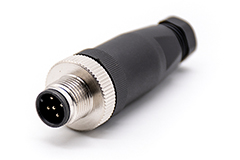
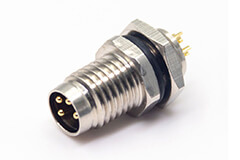
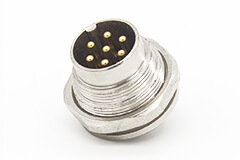
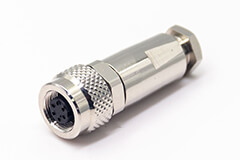
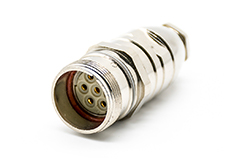
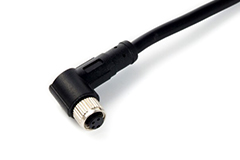
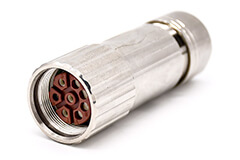
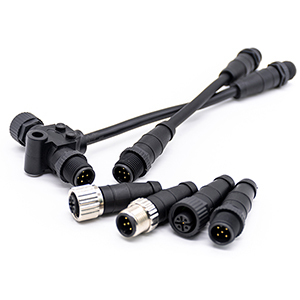
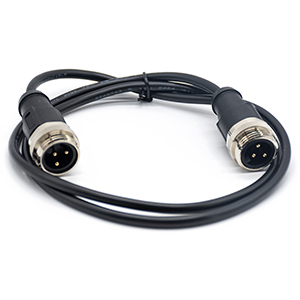
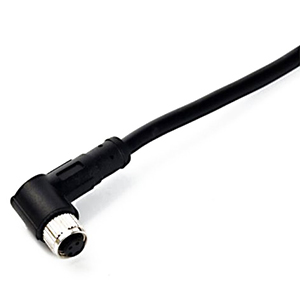
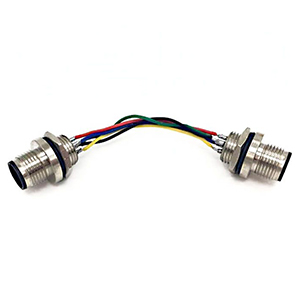
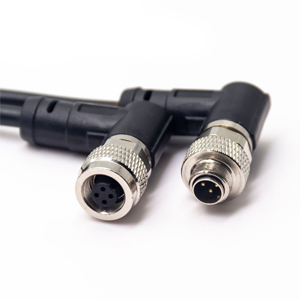
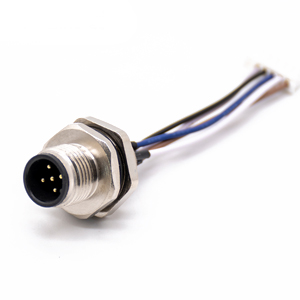
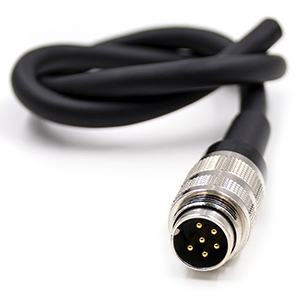
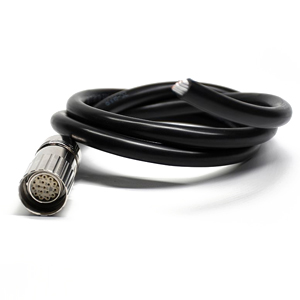
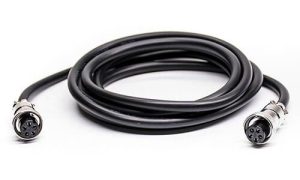
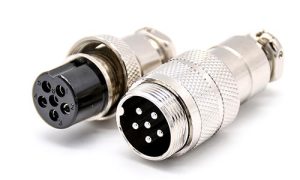
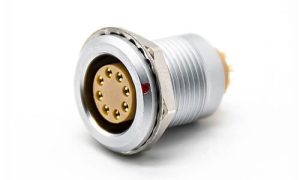
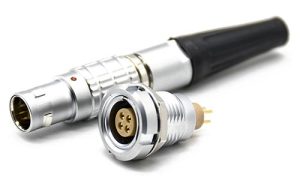
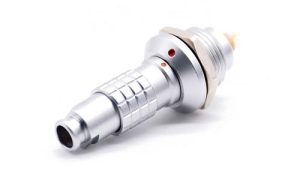
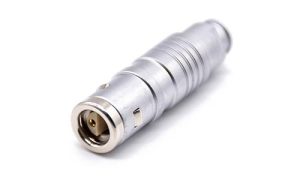
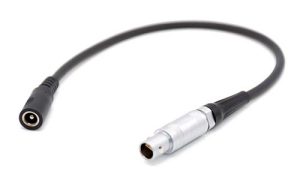
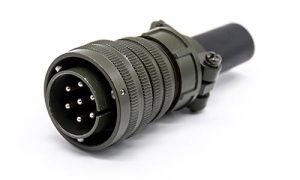
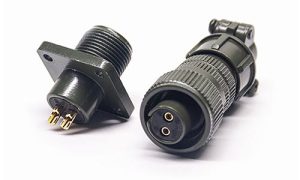
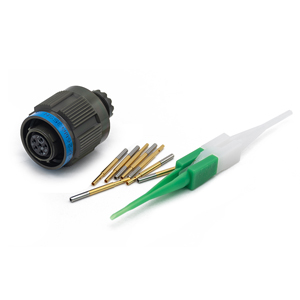
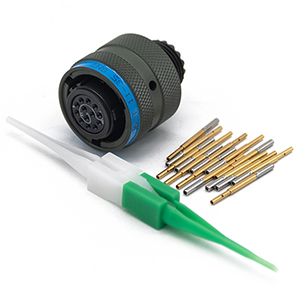
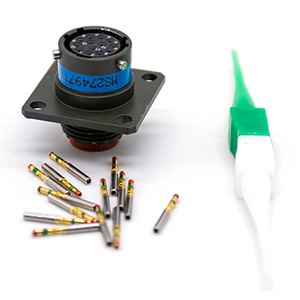
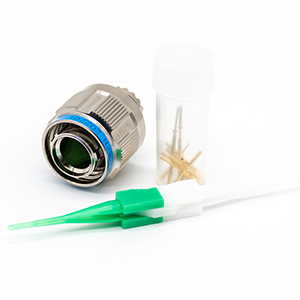
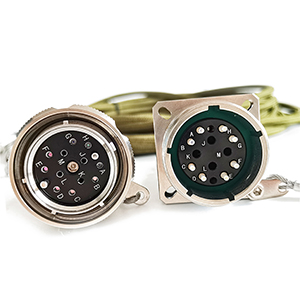
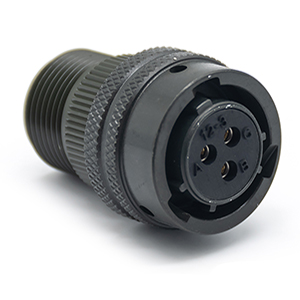
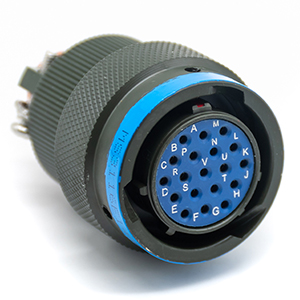
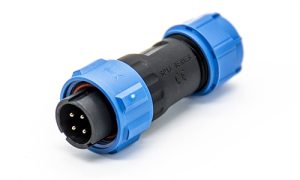
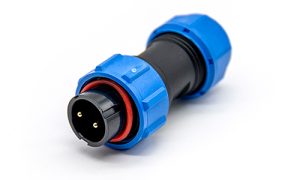
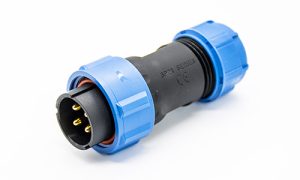
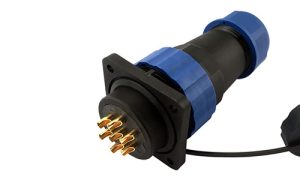
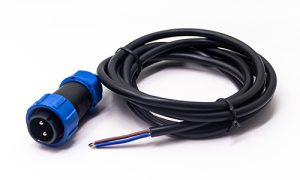
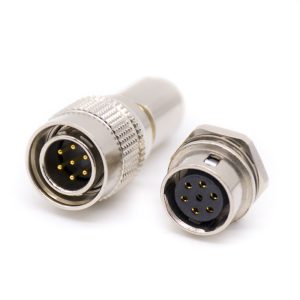
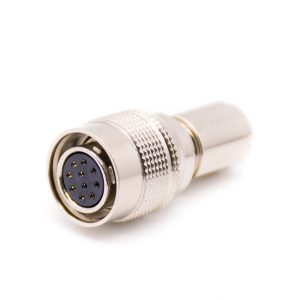
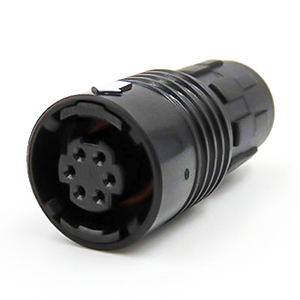
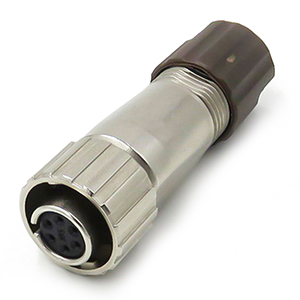
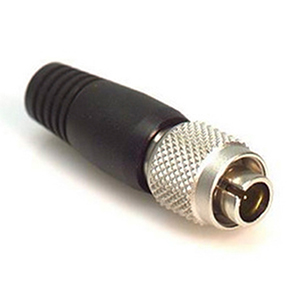
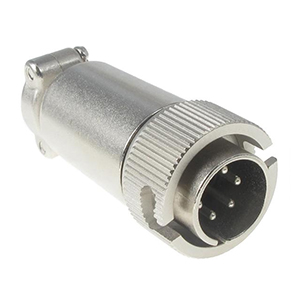
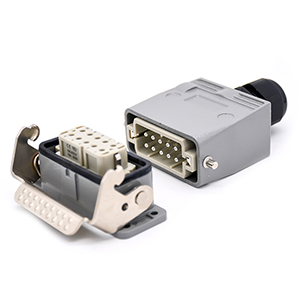
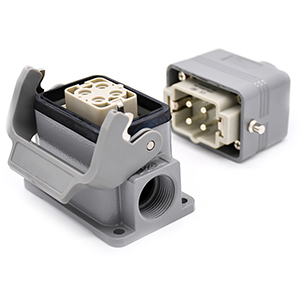
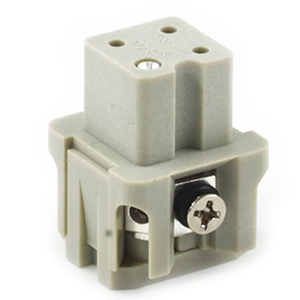
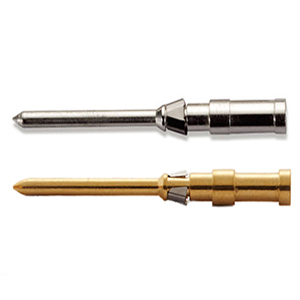
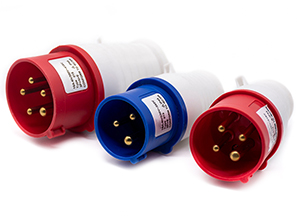
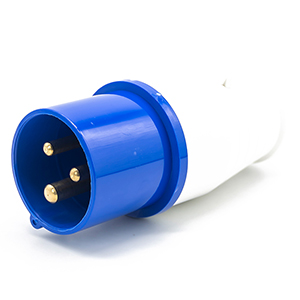
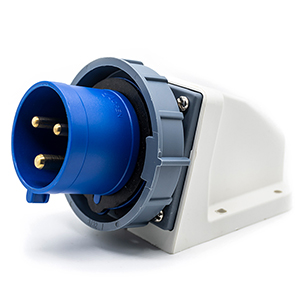
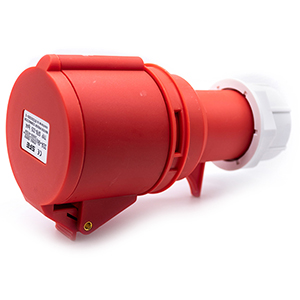
M Series Connectors
Are lightweight triplestart ratchet coupling type connectors designed for avionics, aerospace, Harsh Environment Connectors, security, motorsport and heavy duty applications.

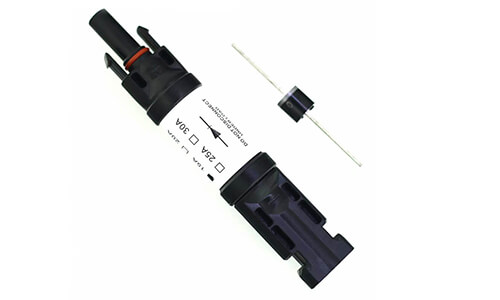
The efficiency of a photovoltaic (PV) system is often judged by its panels and inverters, but the unsung heroes are the solar panel connectors. These specialized solar panel fittings ensure reliable electrical continuity and environmental protection for decades. Without standardized connectors, the risk of “arcing”—a leading cause of solar-related fires—increases significantly.
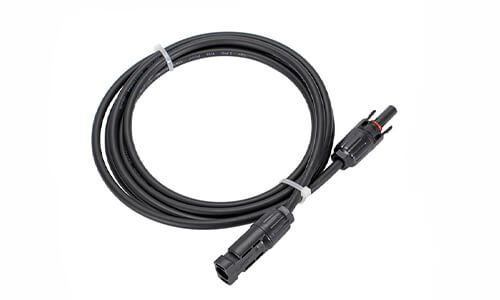
The industry shifted toward standardization to ensure that components from different manufacturers could interface safely. Today, the MC4 connectors stand as the undisputed global standard, replacing older, less secure methods. Understanding the nuances of these connectors is essential for anyone involved in mc4 connector use, from DIY enthusiasts to utility-scale installers.


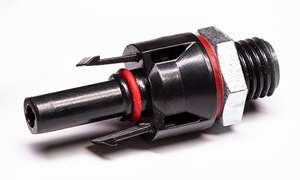
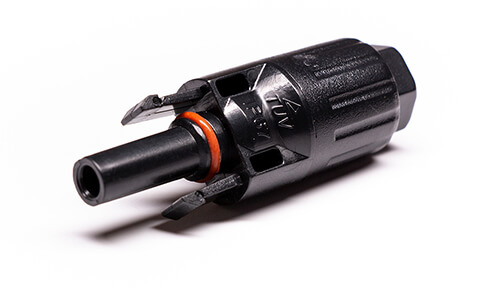
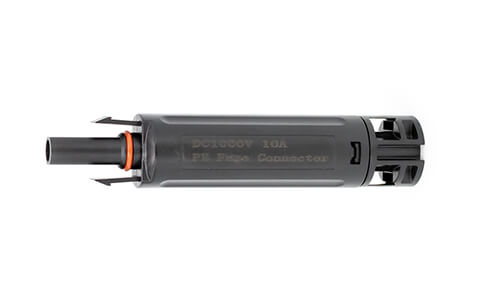
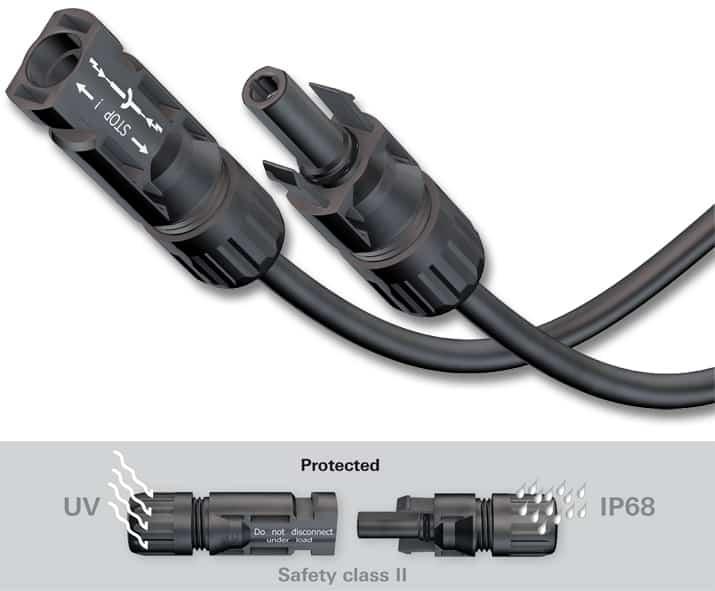
The term “MC4” stands for “Multi-Contact, 4mm,” referring to the diameter of the contact pin. Developed by Multi-Contact (now Stäubli Electrical Connectors) in 2002, this design revolutionized the industry. An mc4 solar panel utilizes these connectors because of their rated durability, typically certified for IP67 or IP68 ingress protection, meaning they are dust-tight and can withstand immersion in water.
Key features of the mc4 connectors include:
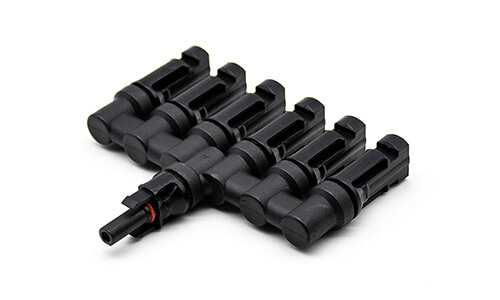
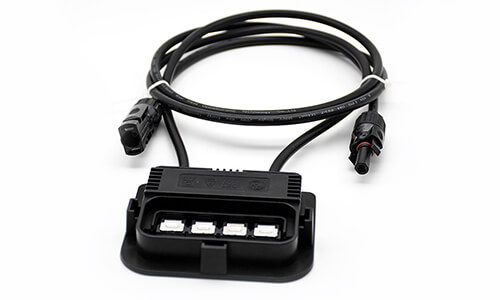
When wiring multiple panels, installers often need to combine currents. The mc4 y branch connector (often referred to as a solar panel y connector) allows two panels to be connected in parallel. This configuration is vital for maintaining a constant voltage while increasing the total amperage output to the charge controller.
|
Feature |
Parallel Connection (Y-Connector) |
Series Connection (Standard MC4) |
|
Voltage |
Remains the same |
Increases per panel |
|
Current (Amps) |
Increases per panel |
Remains the same |
|
Component Used |
Solar panel Y connector |
Standard mc4 connectors |
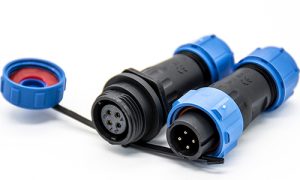
For manufacturers of solar junction boxes or inverters, the panel mount mc4 connector is the preferred choice. These are designed to be fixed directly onto an enclosure, providing a waterproof entry point for the PV strings. This ensures that the internal electronics remain isolated from the external environment.


Efficiency is lost if the mc4 wire gauge does not match the system’s power output. Most connectors are compatible with 4mm² (12 AWG) and 6mm² (10 AWG) cables. For a 400 watt universal solar connector setup, using a 10 AWG wire is often recommended to minimize voltage drop, especially over longer distances.
Technical Note: According to the National Electrical Code (NEC), the wire gauge must be rated for at least 125% of the panel’s short-circuit current (Isc) to ensure safety under peak sun conditions.
In older installations, you may encounter MC3 connectors, which lacked the safety locking mechanism of the MC4. To upgrade these systems, an mc3 to mc4 connector adapter is required. This allows legacy panels to interface with modern inverters without replacing the entire array’s wiring.
While MC4 is the leader, competitors like Canadian Solar have introduced the T4 Connector. The T4 is largely compatible with MC4 but features slight variations in the locking clip and internal contact resistance. When sourcing solar panel fittings, it is crucial to verify if the T4 and MC4 components used are certified for “intermatability” by a third party like TÜV or UL.
|
|
MC4 |
MC3 |
T4 |
|
Cable Cross-Section (mm2) |
2.5 – 10 |
2.5 – 10 |
2.5 – 6 |
|
Rated Current |
39 – 104 A |
20 – 43 A |
15 – 45 A |
|
Maximum Voltage |
1,000 V |
1,000 V |
|
|
IP Index |
IP68 |
IP65 |
IP68 |
|
Contact Material |
Tin-plated copper |
Tin-plated copper |
Tin-plated copper |
|
Maximum Temperature |
221°F (105ºC) |
221°F (105ºC) |
248°F (120ºC) |
|
Safety Mechanism |
Plug lock |
None |
|
|
Safety Class |
II |
II |
II |
|
Locking/Unlocking Tool |
Useful but not needed |
Not required |
Required |
A proper mc4 connector connection starts with high-quality crimping.
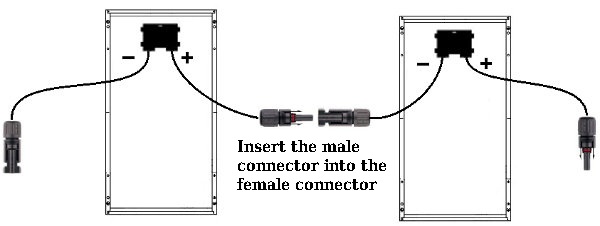
One of the most common mistakes is attempting to pull connectors apart by hand. Disconnecting mc4 connectors requires a specialized MC4 wrench tool to depress the two locking tabs simultaneously. This design prevents accidental disconnection while the system is under high DC voltage load, which could result in a dangerous electrical arc.

Q1: Are all MC4 connectors universal for any solar panel?
While the 4mm interface is a standard, mixing different brands can lead to “intermating” issues where the seals don’t align perfectly. For a 400 watt universal solar connector setup, it is safest to use connectors from the same manufacturer to ensure a weather-tight fit.
Q2: Can I reuse an MC4 connector after disconnecting it?
Yes, if it was removed correctly using a tool. However, if the internal metal terminal or the plastic locking tabs are damaged during the process of disconnecting mc4 connectors, the entire unit must be replaced to prevent resistance buildup.
Q3: What wire gauge should I use for long-distance solar runs?
For runs exceeding 30 feet, it is common to step up the mc4 wire gauge to 10 AWG (6mm²) to reduce resistance, even if the panel output is lower. This maximizes the energy reaching your battery or grid.
Q4: How do I distinguish between a male and female MC4 connector?
The “gender” of an MC4 connector can be confusing. The gender refers to the internal metal contact, not the outer plastic shell. The mc4 positive connector (marked with a ‘+’) usually has a female plastic shell but contains a male metal pin. Always check the embossed marks on the housing.

Looking for reliable solar panel fittings or high-performance MC4 connectors for your B2B project? Our technical experts [email protected] specialize in high-current DC interconnects and custom solar wiring solutions.

As an industry specialist at Renhotec Group, I have years of expertise in the field of electronic interconnection. Founded in 2008, Renhotec Group is a global leader in designing and manufacturing connectors, cables, and custom electronic components for a wide range of industries. We are committed to providing high-performance interconnect solutions, leveraging technical innovation and rigorous quality standards to empower global customers across industrial, RF, and EV sectors.