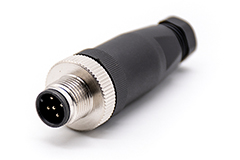
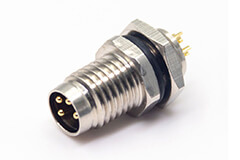
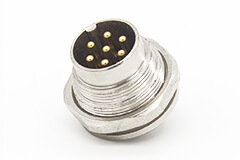
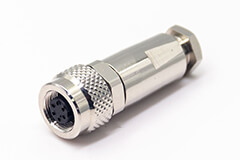
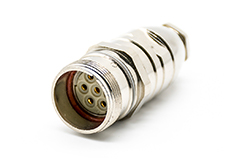
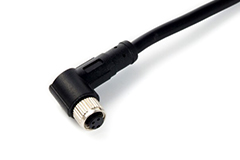
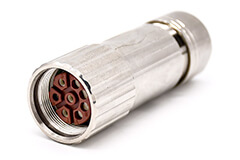
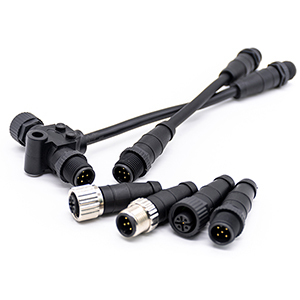
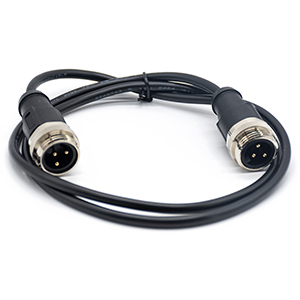
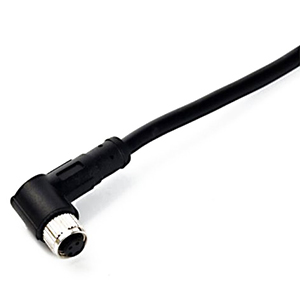
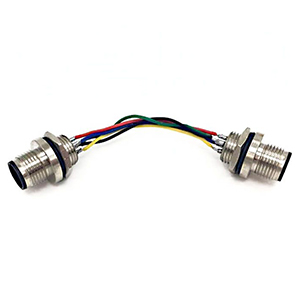
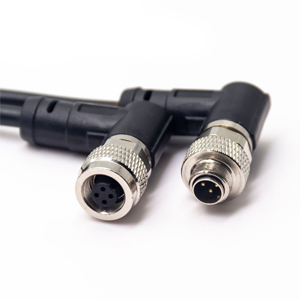
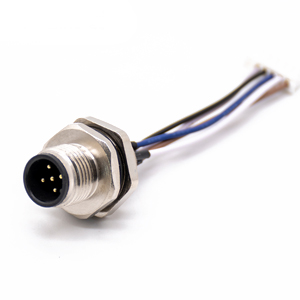
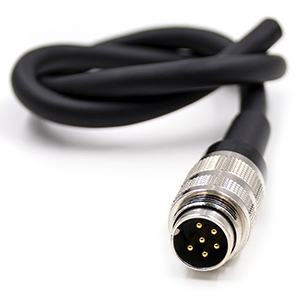
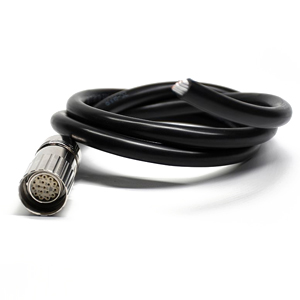
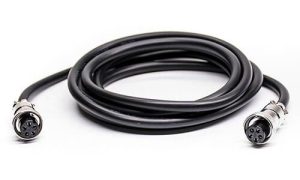
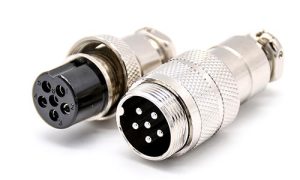
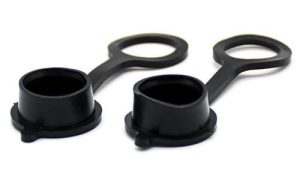
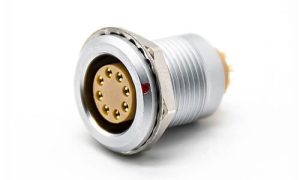
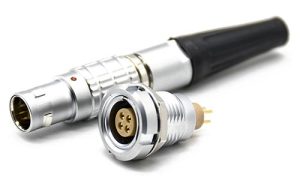
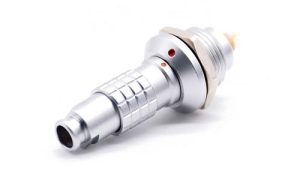
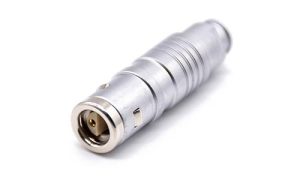
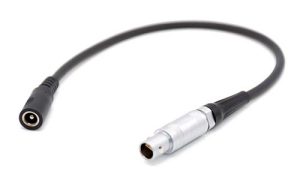
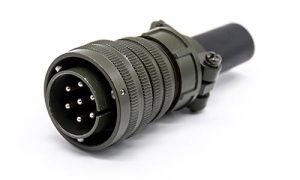
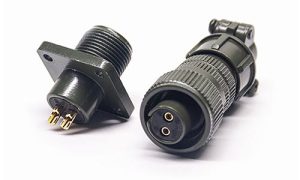
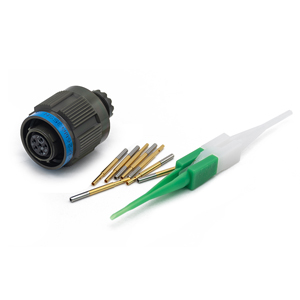
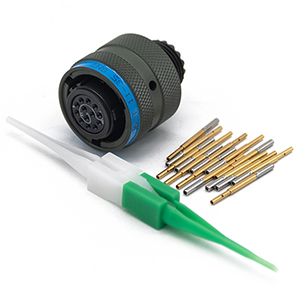
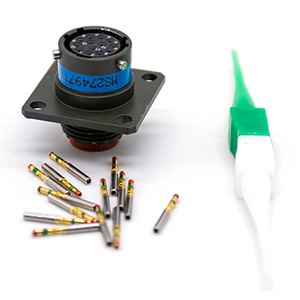
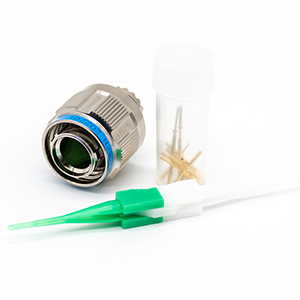
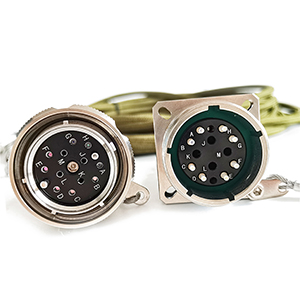
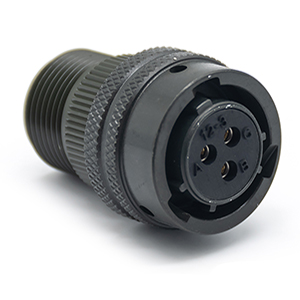
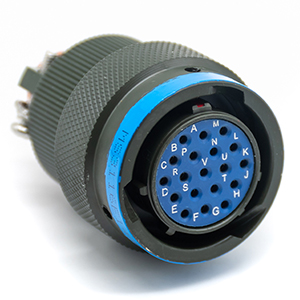
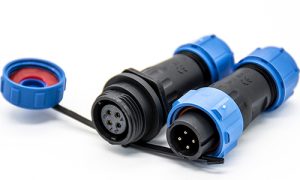
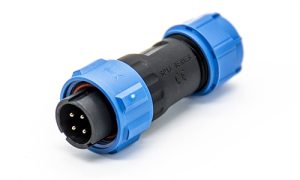
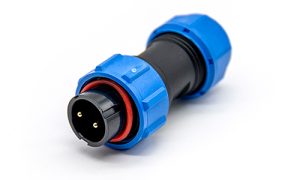
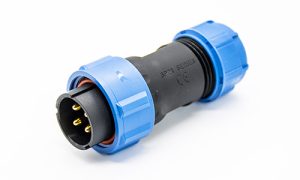
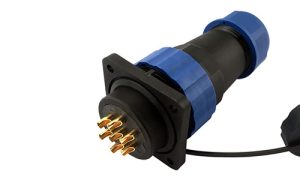
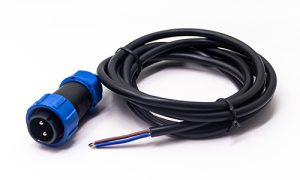
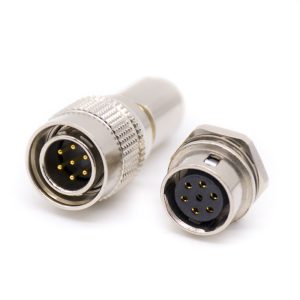
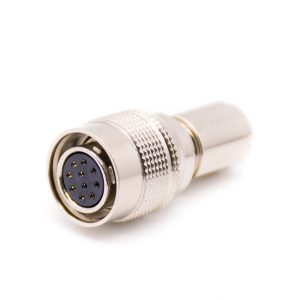
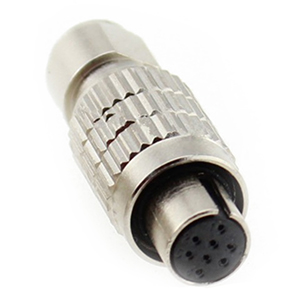
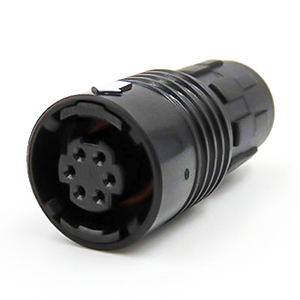
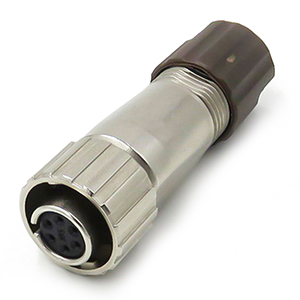
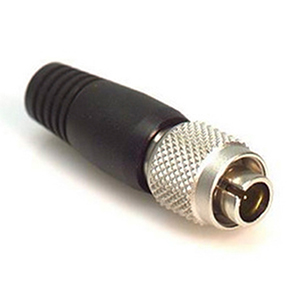
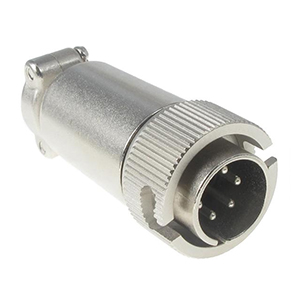
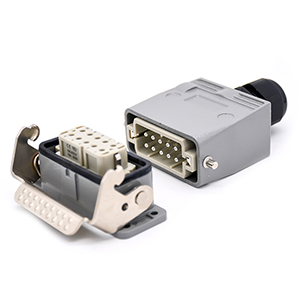
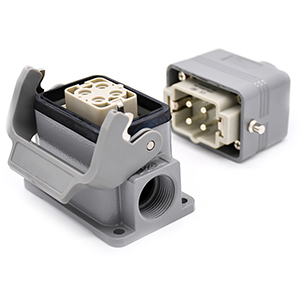
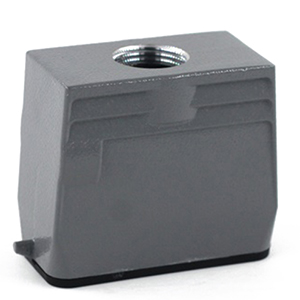
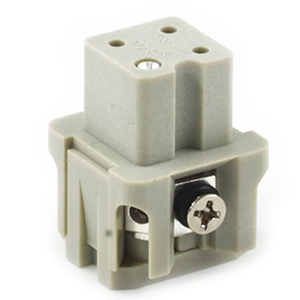
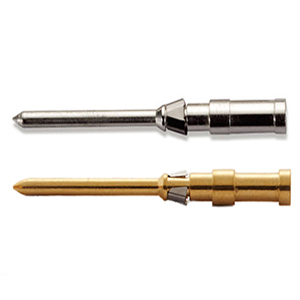
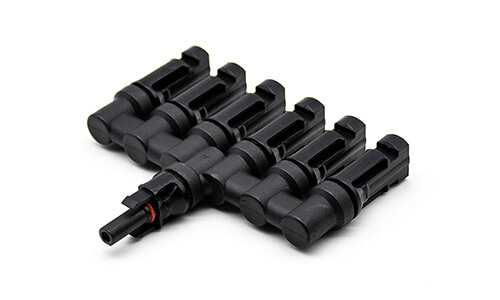
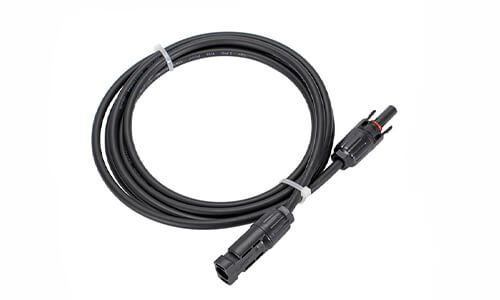
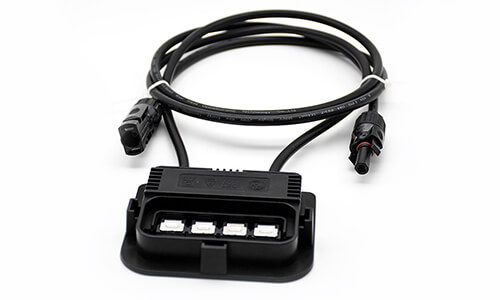
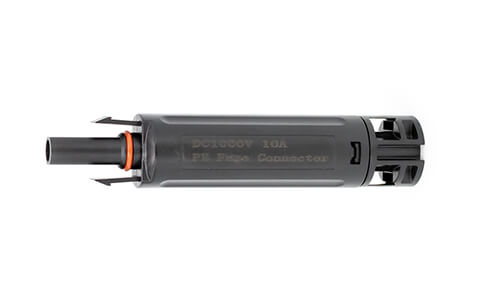
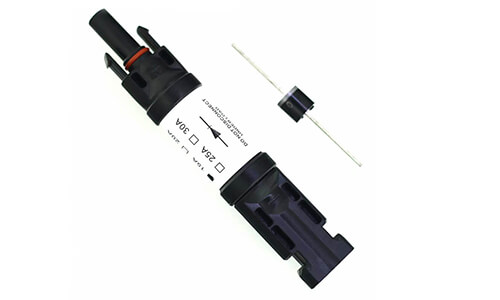
M Series Connectors
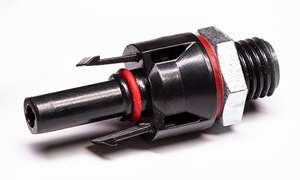
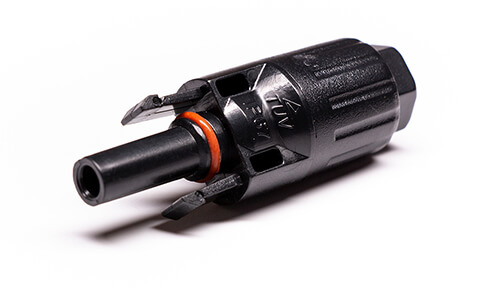
Are lightweight triplestart ratchet coupling type connectors designed for avionics, aerospace, Harsh Environment Connectors, security, motorsport and heavy duty applications.

The DIN connector, a member of a robust family of electrical connectors, plays a pivotal role across various industries, from professional audio equipment to power supplies. Originating from the German Institute for Standardization (Deutsches Institut für Normung), these circular connectors are distinguished by their keyed shells and specific pin configurations. This guide provides an exhaustive comparison of the 4 pin DIN connector and the widely used 5 pin DIN connector, focusing on their pinout specifications, primary applications, and technical selection criteria. Our aim is to not only boost your understanding but also to effectively map critical search queries like din 5 pinout and 4 pin din power cable to highly authoritative content.
Quick view of the differences:
| Feature | 4 Pin DIN Connector | 5 Pin DIN Connector (180°) |
| Primary Signal Type | DC Power, Analog Video (S-Video) | Digital Data (MIDI), Analog Audio |
| Core Function | Power Delivery, Simple Video Link | Bidirectional Communication (Data/Audio) |
| Key Applications | CCTV Power, Networking Power | MIDI Instruments, Hi-Fi Audio |
| Key Search Terms | 4 pin din power cable | 5 pin din midi cable |
The DIN connector family is rooted in the standards set by the German national standards body (DIN, est. 1917). The term generally refers to a circular, multi-pin connector compliant with standards like DIN 41524 (for audio) and others. These connectors are designed to ensure high mating durability and reliable performance through a sturdy construction.
| Characteristic | Description | Purpose/Benefit |
| Shielding | Often equipped with a metal outer shell. | Provides EMI/RFI protection (Electromagnetic Interference/Radio-Frequency Interference), essential for signal integrity. |
| Robustness | Designed for repeated insertions and removals. | High durability, suitable for professional and industrial environments. |
| Miniaturization | The Mini-DIN variant (e.g., Mini-DIN 4 or 5) offers a smaller footprint. | Space-saving design, crucial for modern compact electronics. |

The 4 pin DIN connector is typically found in applications prioritizing power delivery and low-density signal transmission. Its design is characterized by four equally spaced pins within a robust, circular housing.
The 4 pin din connector pinout defines its primary function. Unlike its higher-pin-count counterparts, the 4-pin version is most frequently associated with power transmission. The pin configuration allows for two pairs of conductors, often used for:


Bulk purchasers seeking a durable 4 pin din cable must prioritize materials that offer high-cycle durability and superior shielding to minimize electromagnetic interference (EMI) when used near sensitive signal lines. The male 4 pin din connector must be securely keyed to mate precisely with the 4 pin din female connector.
The 5 pin DIN connector is arguably the most famous variant due to its central role in the music and computing industries. Its five-pin arrangement allows for greater complexity in signal routing compared to the 4-pin version.
The arrangement of the pins dictates its function, making the din 5 pinout a critical specification. The pins are typically arranged in a semicircular pattern, with two pins at the outer edges and three in the center.
When searching for the 5 pin din pinout, it is crucial to specify the angle. The din 5 180 is the standard configuration required for MIDI and is universally recognized. This means the five pins are positioned on a 180-degree arc. Other less common configurations, such as the 5-pin 240-degree version, exist but are electrically and mechanically incompatible with the 180-degree standard. Ensuring the correct male 5 pin din connector male is sourced is vital for product compatibility.
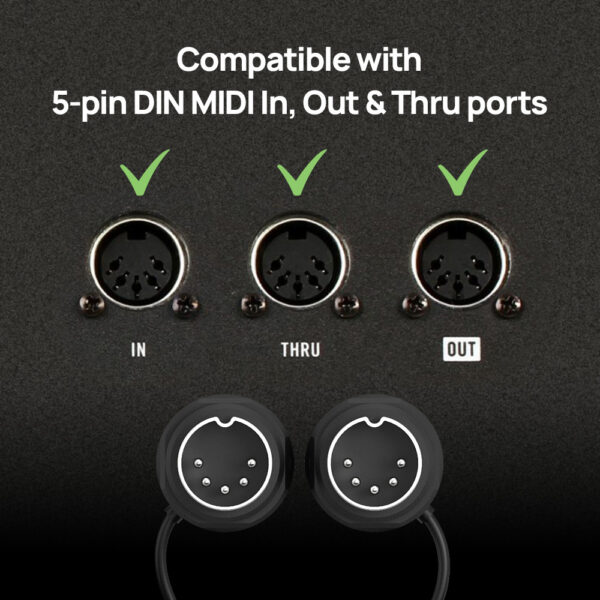

Choosing between a 4 pin and a 5 pin DIN connector is determined by the required electrical function. The difference is more than just a single pin; it is a distinction in core design intent.
The increased pin count in the 5-pin version provides the necessary conductors to establish the specific grounding and data lines required for digital protocols like MIDI.
While both connectors share the same general circular housing diameter (often 13.2 mm), the internal arrangement differs. Both rely on a keyed slot for polarization to ensure correct mating, which is a key advantage over unkeyed barrel connectors. For harsh environments, both the male and 4 pin din female connector should feature robust metal shielding for mechanical protection and EMI/RFI suppression.
Choosing the right connector is crucial for system integrity and avoiding costly re-work. Follow this systematic selection guide.
Q1:Can a 4 Pin DIN connector be adapted for MIDI?
Q2: What is the difference between Mini-DIN and Standard DIN?
Q3: Why do some security cameras use a 4 pin DIN connector?
Q4: What is the typical voltage rating for a 4 pin din power cable?
Q5: What is the significance of the 180° in din 5 180?
Ready to find the perfect connection solution? Choosing the correct DIN connector requires precision. Whether you need a high-current 4 pin mini din power connector or a reliable 5 pin DIN audio cable for signal integrity, our engineering team can assist you.
Contact our engineering team [email protected] to customize your 4 Pin/5 Pin DIN connector solution and view our full product catalog!

Sharing insights on connectors and real-world applications.
Contact for datasheets, samples, or inquiries.