M Series Connectors
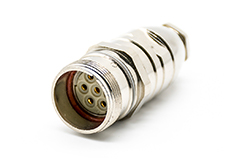
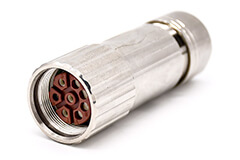
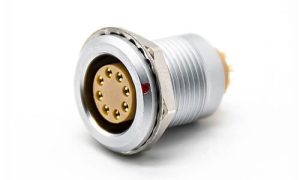
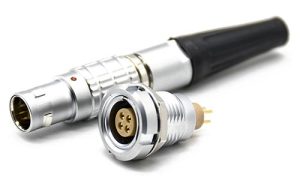
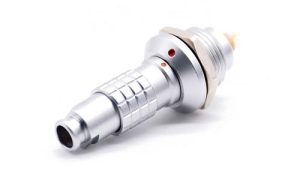
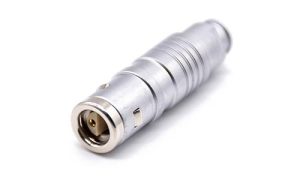
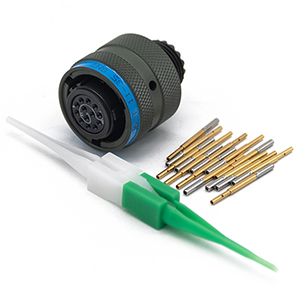
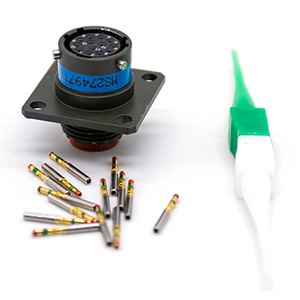
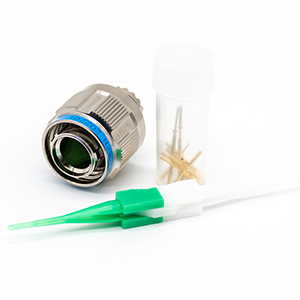
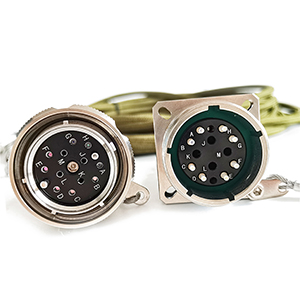
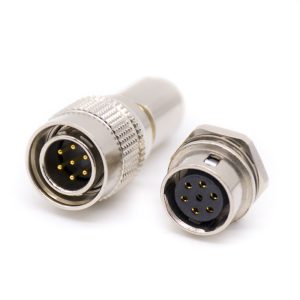
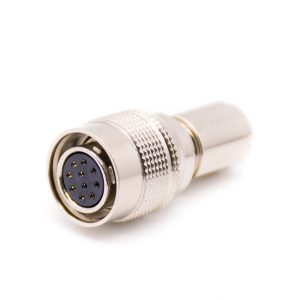
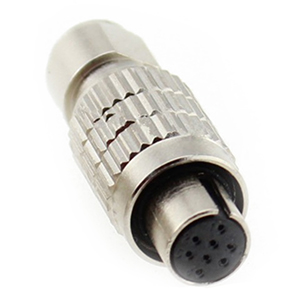
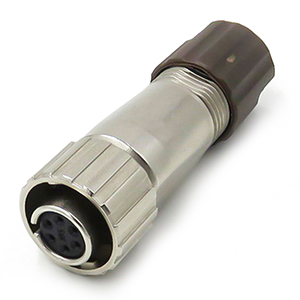
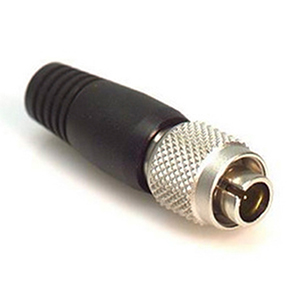
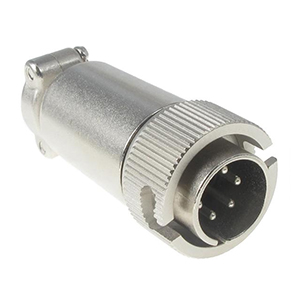
Are lightweight triplestart ratchet coupling type connectors designed for avionics, aerospace, Harsh Environment Connectors, security, motorsport and heavy duty applications.


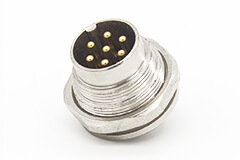
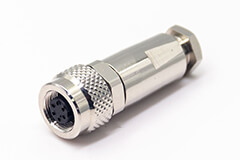
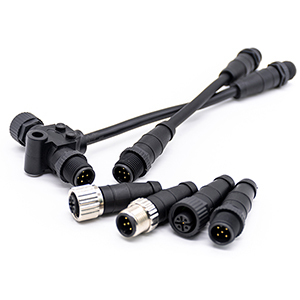
M Series connectors are circular connectors widely used in industrial automation, sensors, communications, and other demanding applications. Renhotec offers a wide range of M5, M8, M12, M16, M23 and M40 connectors in various codings and configurations.
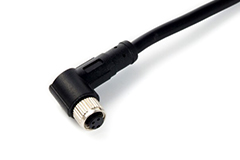
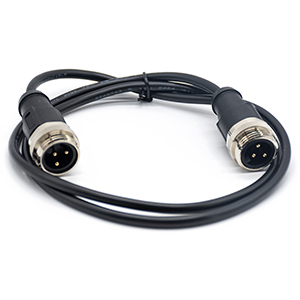
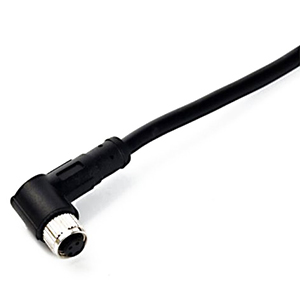
Available with or without cables, our M connectors support customized cable lengths and PVC or PUR jacket materials to meet your specific application requirements.
Explore M Series Request a QuoteComplete Product Range
M5–M40 circular connectors with multiple coding, pin, and mounting options.
Reliable Connection Performance
Secure mating and durable contacts ensure stable signal and power transmission.
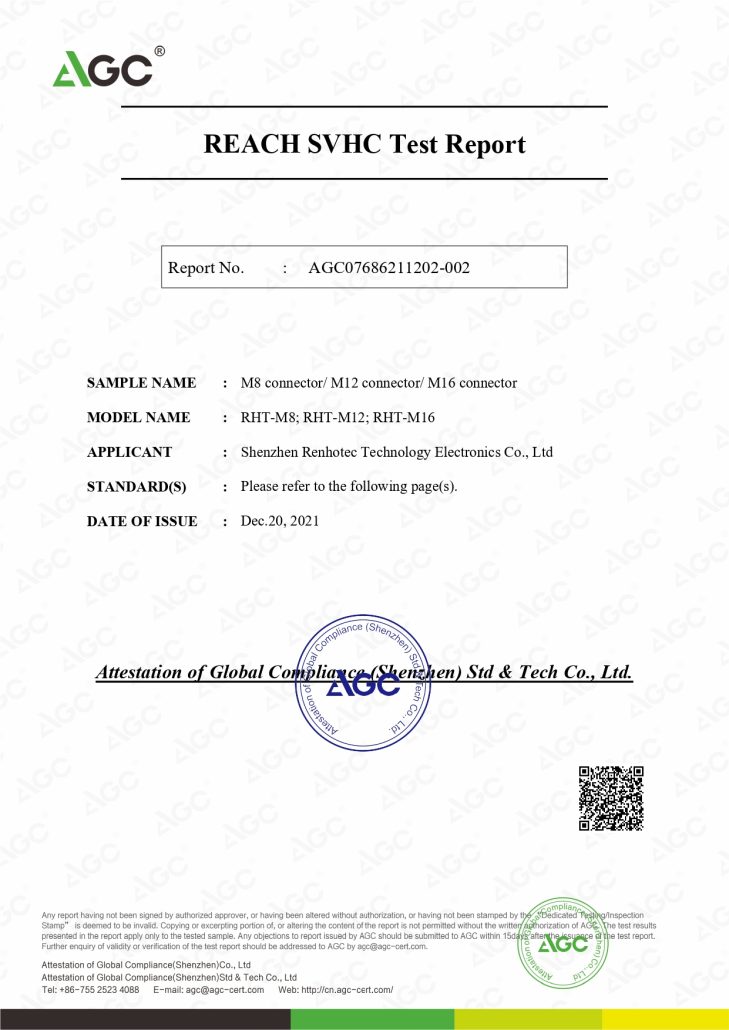
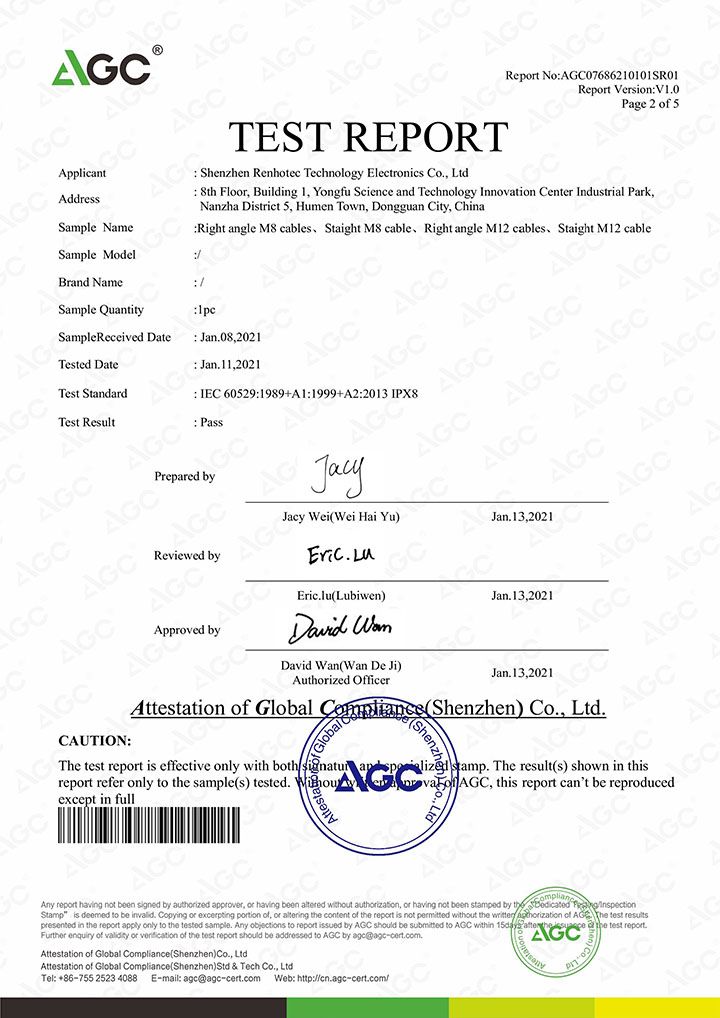
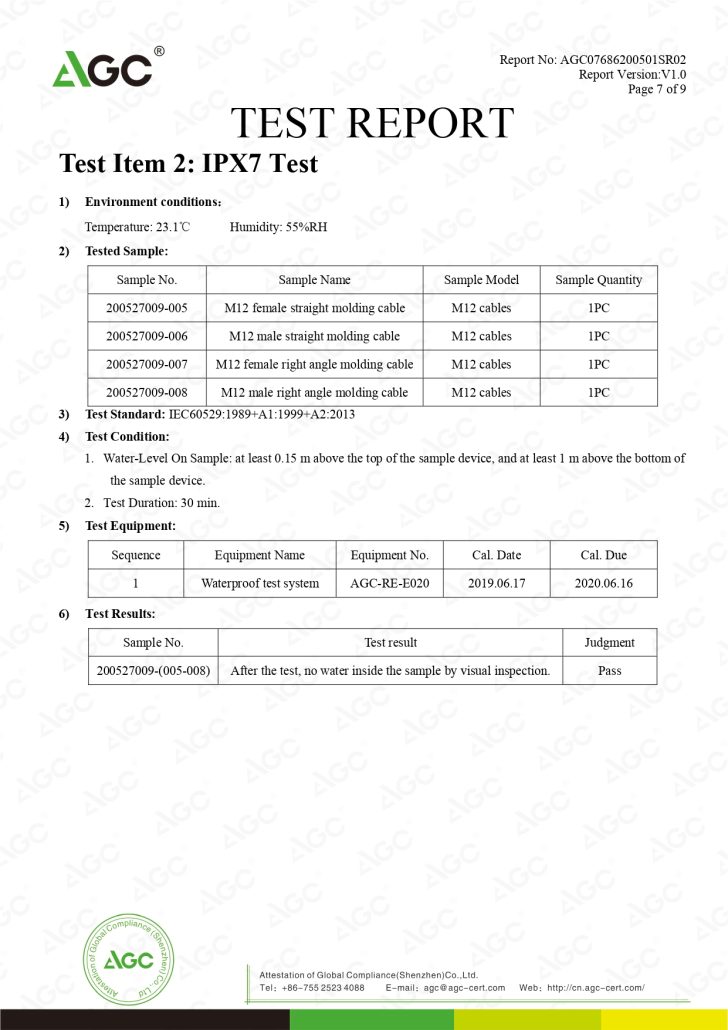
IP67 Waterproof Design
Protection against dust and water for demanding industrial environments.
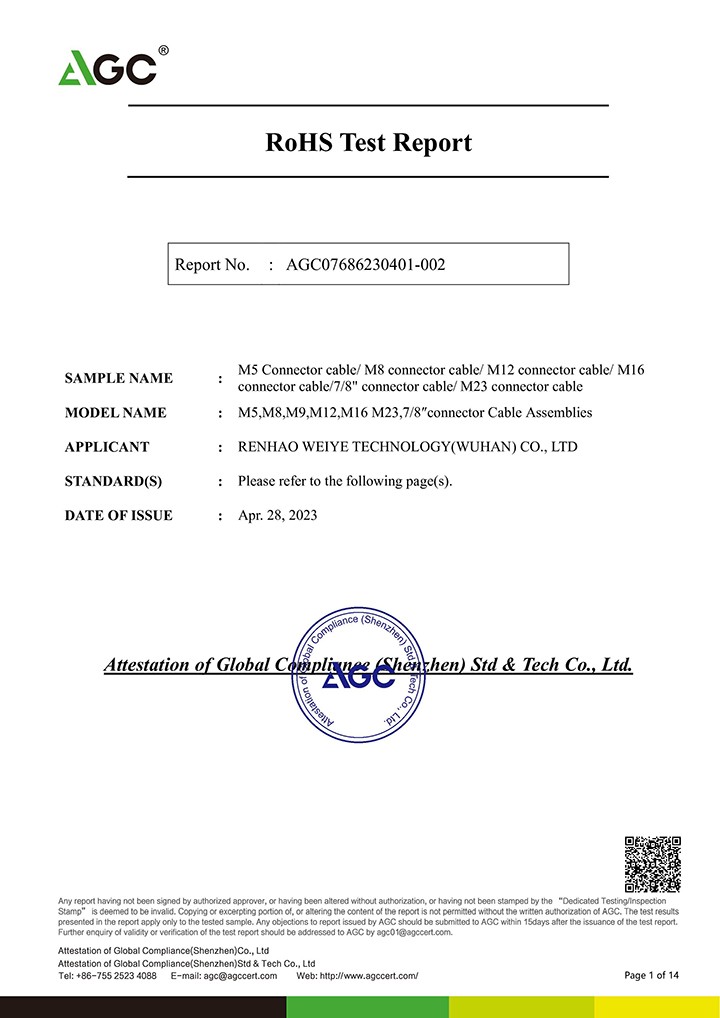
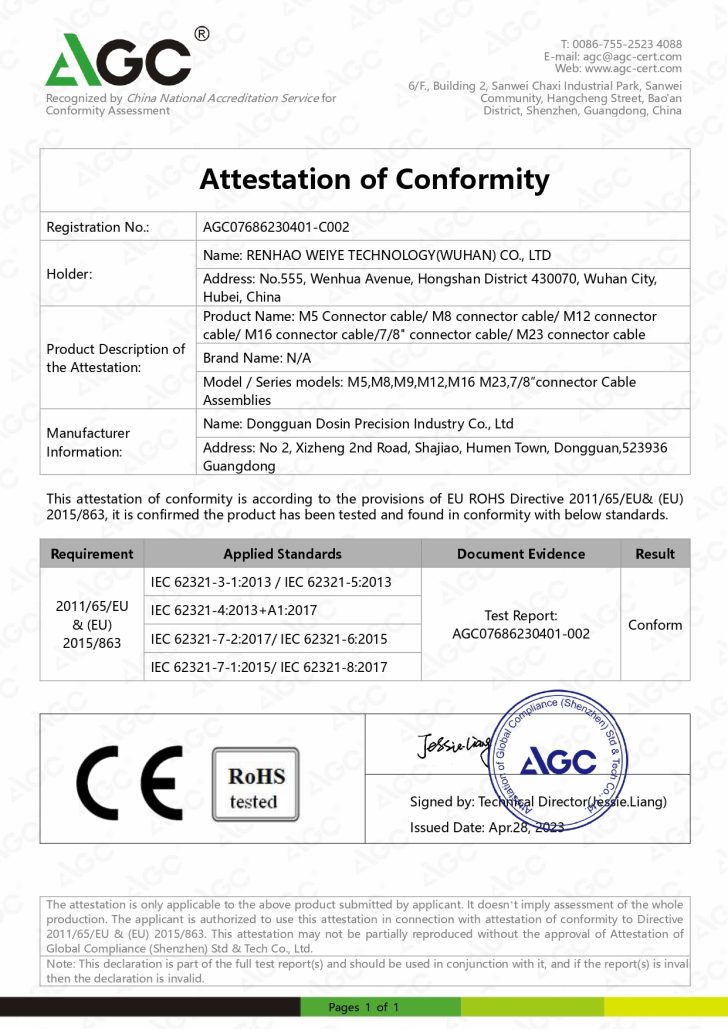
Global Standard Compliance
Built for worldwide industrial applications with reliable quality and consistent performance.

Compact sensor connectivity for miniature industrial automation systems
Applications:
Mini Sensors | Automation Equipment | Measurement Devices
Compact sensor and actuator connectivity for industrial automation applications
Applications:
Sensors | Actuators | Factory Automation


Small circular connectors for reliable signal transmission in industrial equipment
Applications:
Sensors | Control Systems | Automation Equipment
Industrial automation, Ethernet and power connectivity solutions
Applications:
Sensors | Robotics | Industrial Ethernet


Reliable signal and power connections for industrial equipment and control systems
Applications:
Control Systems | Machinery | Instrumentation
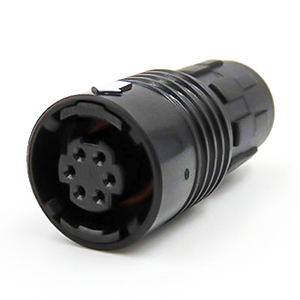
A focused plastic-shell range for sensing and control wiring.
Applications:
Sensing systems | Industrial controls | Automation equipment


Heavy-duty connectivity for servo motors, drives and industrial automation systems
Applications:
Servo Motors | Robotics | Motion Control
Large-size circular connectors for demanding industrial power and signal applications
Applications:
Machinery | Industrial Equipment | Harsh Environments

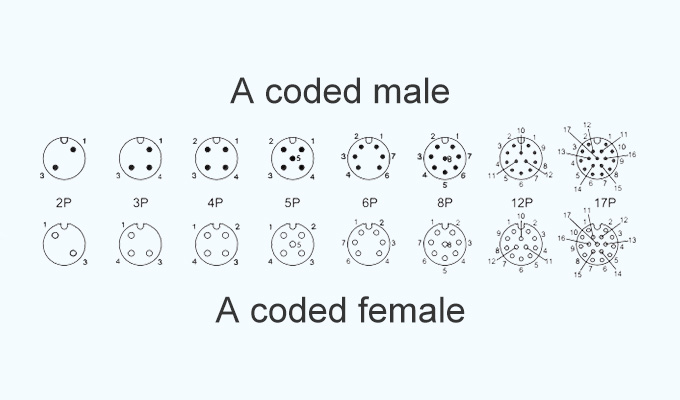
The A-coding provides a secure and reliable connection for power and signal transmission in harsh and demanding environments.
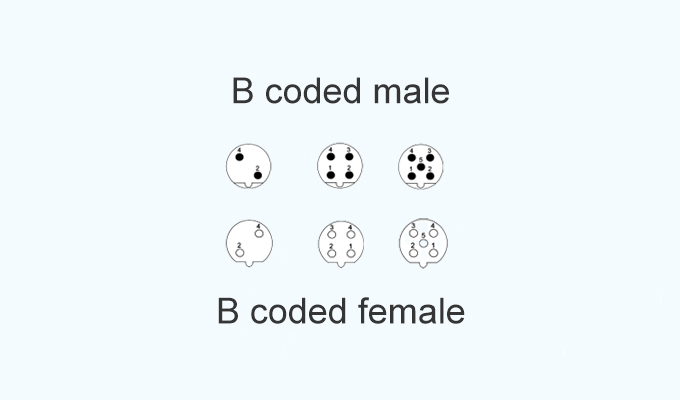
B coded is a type of circular connector used in a range of industrial and automation applications where there is a need for signal, data and power transmission.
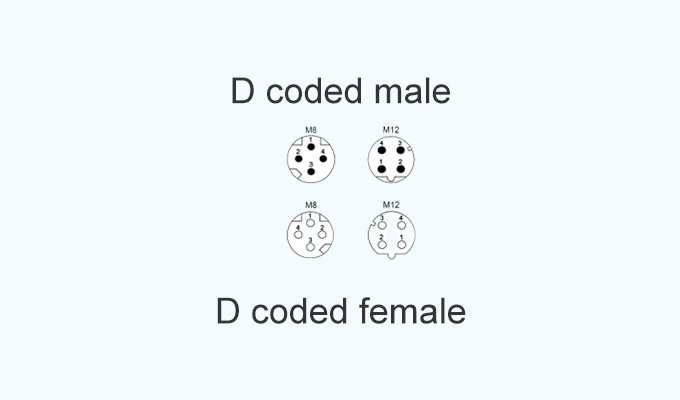
D coded is ideal for applications where there is a need for high-performance data transmission and reliable power supply in harsh environmental conditions.
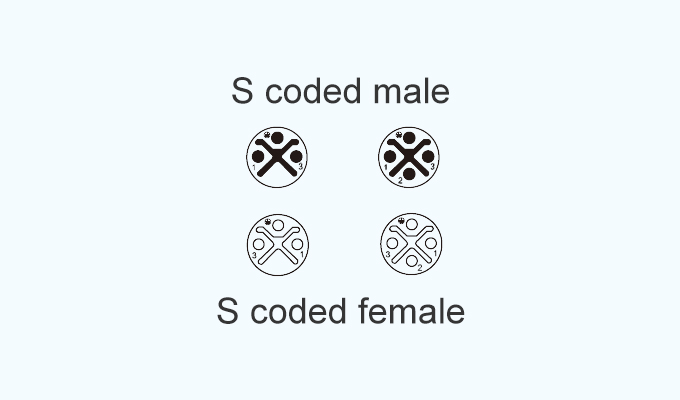
The A-coding provides a secure and reliable connection for power and signal transmission in harsh and demanding environments.
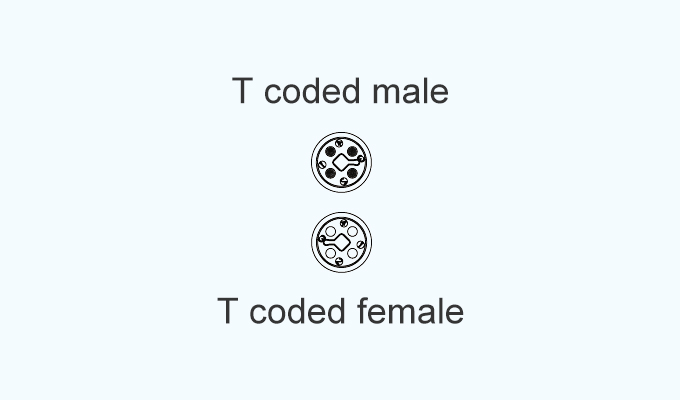
Circular connectors with T-coding are a type of industrial connector that is designed for use in harsh environments. These connectors have circular configurations with screw locking mechanisms, making them ideal for applications that require reliable and secure connections.
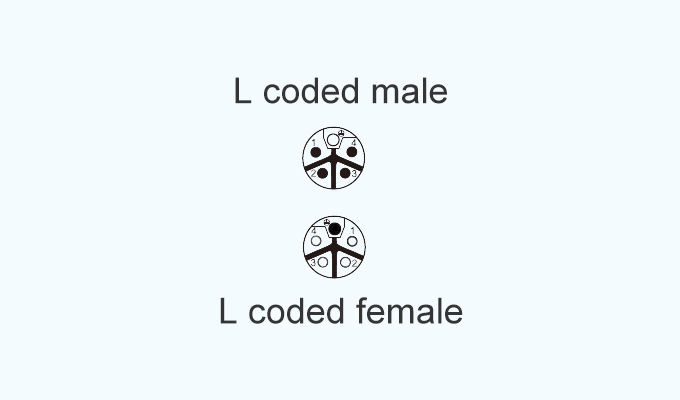
L-coded circular connectors are available in different sizes and number of pins, with some models supporting high-speed data transfer rates of up to 10Gbps. They are also designed to be waterproof and dustproof, with rugged casing that can withstand harsh environmental conditions.
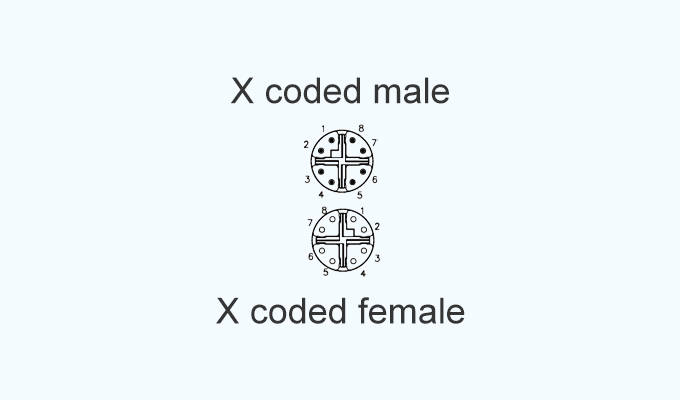
X-coded circular connectors provide an ideal solution for high-speed and robust data transfer applications, especially those requiring waterproofing and resistance to harsh environments. They are widely used in automation, communication, and control systems where high-speed data transfer and robustness are critical.
M8 Series: Precision Connectors & Cable Assemblies for Industrial Excellence
M12 Connectors: The Ultimate Guide to Signal, Data & Power for Industrial Automation
M12 Connectors for Robotic Arms | Stable Signal Transmission in Industrial Automation
M8 & M12 Sensor Distribution Boxes: IP67 Waterproof Junction Box for Industrial Automation
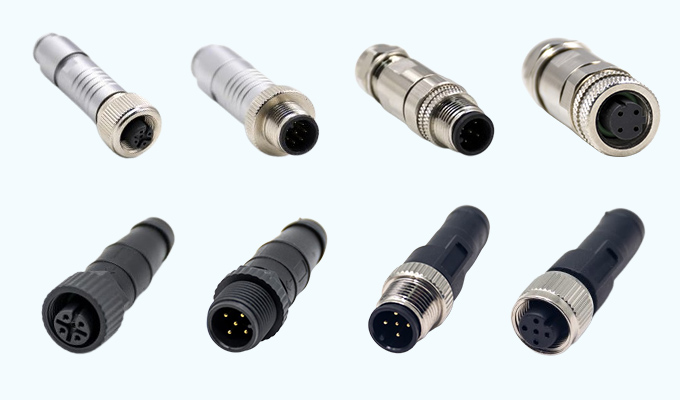
To solder a wire to M connectors, strip the insulation from the end of the wire, insert it into the solder cup of the connector, bend the wire, apply heat using a soldering iron, and remove excess solder if necessary. It’s important to use the correct temperature and avoid melting the insulation. Solder termination creates a secure and reliable connection that can operate in harsh environments.
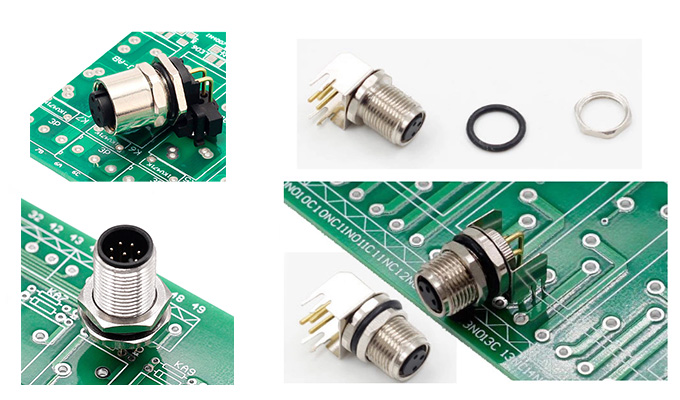
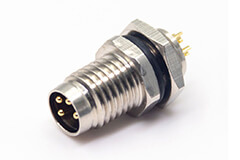
To install an M connector onto a PCB, mark the mounting hole locations onto the PCB and drill the holes. Insert the connector and solder the pins onto the PCB, ensuring a reliable electrical connection. Inspect the soldered connections and test the connector before use.
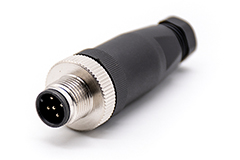
To make a screw joint with an M12 connector, strip the wires and insert them into the terminal block, tightening the screws securely without damaging the wires. Inspect the connection, and then thread the connector with the wires into the matching receptacle or threaded hole, turning it clockwise until the threads engage. Tighten the connector an additional quarter turn until it is firm, then test it to ensure a good electrical connection.



 Русский